How to Get Your Tortoise to Drink Water – Proven Hydration Tips
To get your tortoise to drink water, provide regular shallow soaks in lukewarm water, offer high-moisture foods like cucumber, and maintain a humid microclimate with an easily accessible, shallow water dish.
Properly managing the hydration of a chelonian is one of the most critical aspects of long-term care. While these reptiles are often associated with arid environments, their biological need for water is absolute and complex.
Understanding how to get your tortoise to drink water requires a look at their unique evolutionary adaptations. Unlike mammals, tortoises do not always recognize standing water as a primary source of hydration.
In the wild, many species rely on the moisture found in their diet and the humidity of their burrows. When keeping them in captivity, we must replicate these opportunities to make sure their internal systems function correctly.
At a glance: Tortoises (general) (Family Testudinidae)
- Temperature
- Basking 90–100°F by species
- Adult size
- 4–30 in shell by species
- Enclosure
- Large enclosure or outdoor pen
- Group size
- Usually alone
- Temperament
- Docile
- Diet
- Herbivores: weeds, grasses, leafy greens
- Lifespan
- 40–100+ years
Keeper’s tip: UVB lighting and calcium are essential for healthy shell growth in indoor tortoises.
The Science of Tortoise Hydration and Osmoregulation
Tortoises utilize a unusual process called osmoregulation to maintain the balance of salts and water in their bodies. This process is vital for filtering waste through the kidneys and making sure cellular health.
Many keepers do not realize that the chelonian bladder serves a dual purpose. It is not just for waste storage; it also acts as a reservoir where the tortoise can reabsorb water during times of drought.
When a tortoise becomes dehydrated, the concentration of waste products in the blood increases. This can lead to a condition known as hyperuricemia, where uric acid levels become dangerously high.
Understanding Cloacal Reabsorption
One of the most unique ways a tortoise stays hydrated is through cloacal reabsorption. This allows the animal to take in water through the vent while soaking in a shallow pool.
This evolutionary trait is why soaking is often more effective than simply providing a water bowl. It allows the tortoise to bypass the mouth and hydrate the bladder directly.
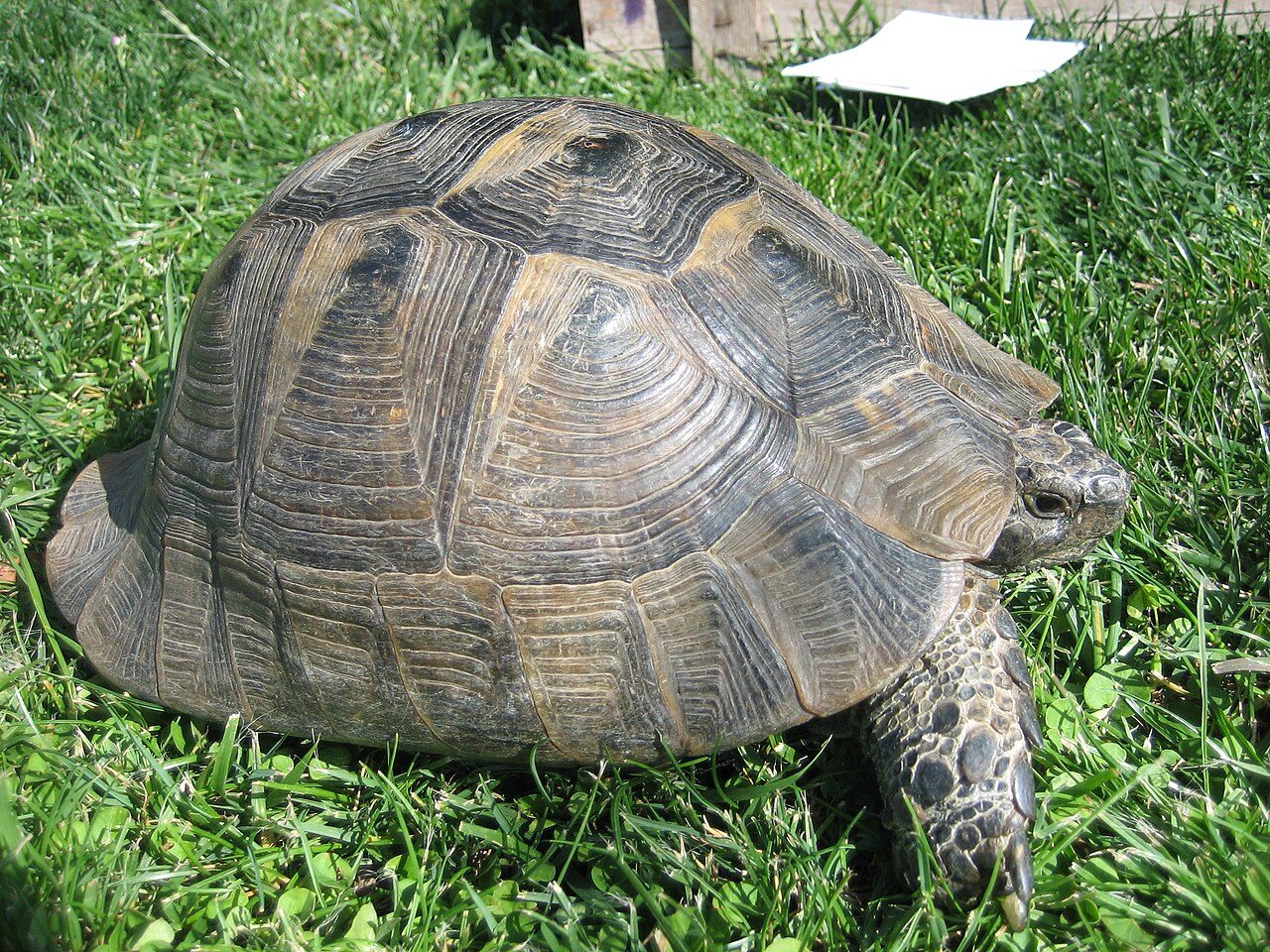
For species like the Testudo graeca (Greek tortoise), this method of hydration is a primary survival strategy in Mediterranean climates. It helps them maintain electrolyte concentration even when surface water is scarce.
The Role of the Bladder in Water Storage
The bladder of a tortoise is significantly larger relative to its body size than that of many other animals. It allows them to store significant amounts of dilute urine for later use.
If the tortoise does not receive enough fresh water, the urine inside the bladder becomes highly concentrated. This eventually leads to the formation of “stones” or bladder calculi, which can be life-threatening.
Pro Tip: Always monitor the consistency of your tortoise’s urates. Creamy, white urates are normal, but if they become gritty or hard like sand, it is a clear sign that you need to increase hydration efforts immediately.
Effective Methods for Encouraging Water Intake
Providing a water bowl is only the first step in a comprehensive hydration strategy. Many tortoises are shy or simply do not understand that the bowl contains life-sustaining liquid.
To successfully learn how to get your tortoise to drink water, you must implement a multi-faceted approach. This includes physical soaking, dietary management, and environmental adjustments.
Consistency is the biggest factor here. Establishing a routine helps the tortoise feel secure enough to engage in natural drinking behaviors without fear of predators or stress.
The Importance of Regular Shallow Soaks
Soaking is the gold standard for hydrating a captive tortoise. Place the animal in a shallow container filled with lukewarm water that reaches no higher than the bottom of their chin.
The water should be changed immediately if the tortoise defecates, as they often use this time to flush their systems. A typical soak should last between 15 and 20 minutes to allow for maximum absorption.
For hatchlings, soaking should occur daily, as their small body mass makes them prone to rapid dehydration. Adults can typically be soaked two to three times per week, depending on the ambient humidity.
Choosing the Right Water Dish
The design of the water dish significantly impacts whether a tortoise will use it. High-walled bowls are often avoided because the tortoise cannot see the water or fears falling in and becoming stuck.
A shallow, terracotta saucer or a specialized reptile ramp bowl is much more effective. These allow the tortoise to walk into the water and soak their plastron while they drink.
Ensure the dish is placed in a “neutral” zone of the enclosure. Placing it directly under a high-heat basking lamp will cause the water to evaporate quickly and increase the risk of bacterial growth.
Pro Tip: Place a few flat stones in the water dish. This provides traction for the tortoise and prevents them from accidentally flipping over, which is a common safety concern for smaller species.
Dietary Strategies for Increasing Moisture
When a tortoise refuses to drink from a dish, the most effective way to provide fluids is through their food. Many wild tortoises get up to 90% of their water from the vegetation they consume.
Selecting the right plants is essential for balancing nutrition and hydration. While some foods are high in water, they may lack the necessary fiber for proper digestion.
Integrating moisture-rich items into a balanced diet is a foundational part of proper tortoise care at home. This ensures they stay hydrated even if they are stubborn about drinking.
High-Moisture Food Options
Certain vegetables and greens act as “hydration bombs” for reptiles. Cucumber, for example, is over 95% water and is highly palatable to most tortoises.
Opuntia cactus pads (prickly pear) are another excellent choice. They are rich in calcium and hold a significant amount of moisture within their fleshy interior.
Romaine lettuce and spring mix can also contribute to daily water intake. However, these should always be balanced with high-fiber hay or grasses to prevent diarrhea.
| Food Item | Moisture Content | Nutritional Benefit |
|---|---|---|
| Opuntia Cactus | High | Excellent Calcium/Fiber |
| Cucumber | Very High | Hydration only (low fiber) |
| Dandelion Greens | Moderate | High Vitamin A |
| Romaine Lettuce | High | General hydration |
Misting and Wetting Food
A simple yet effective trick is to heavily mist the tortoise’s greens with a spray bottle before feeding. The water droplets cling to the leaves and are ingested along with the food.
This method mimics the morning dew that tortoises would encounter in their natural habitats. It is an easy way to sneak extra water into their system without changing their diet.
For tortoises that eat hay or dried grasses, soaking the pellets or dried forage in water for ten minutes before serving can significantly boost their fluid intake.
Optimizing the Enclosure for Humidity
The environment plays a massive role in how much water a tortoise loses through its skin and respiratory system. An enclosure that is too dry will cause “insensible water loss.”
Maintaining a proper microclimate humidity is essential, especially for forest-dwelling species or hatchlings of any variety. This reduces the burden on the kidneys and prevents dehydration.
When designing a tortoise habitat, you must include areas of varying humidity levels. This allows the tortoise to self-regulate its moisture needs.
Using a Hygrometer and Humid Hides
A hygrometer is a tool that every tortoise keeper should own. It measures the percentage of moisture in the air, allowing you to make precise adjustments to the environment.
Humid hides are enclosed spaces filled with damp sphagnum moss or moist substrate. These hides provide a high-humidity retreat where the tortoise can sleep without losing body fluids.
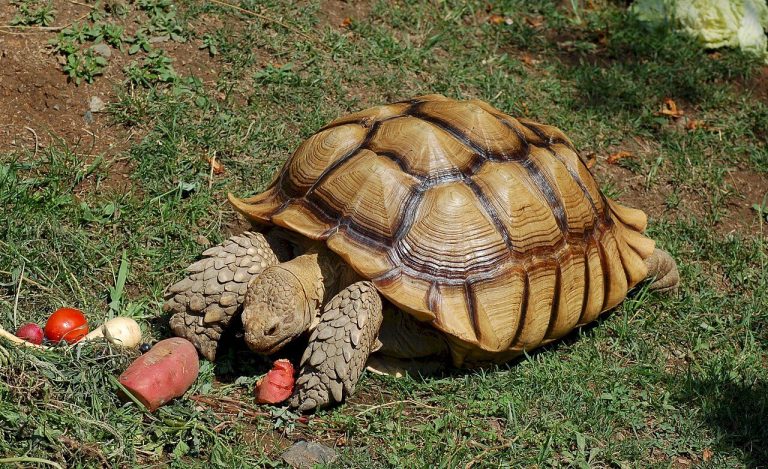
For species like the Sulcata or Leopard tortoise, a humid hide is non-negotiable during the first few years of life. It helps prevent shell pyramiding and supports overall organ health.
Substrate Moisture Management
The choice of substrate can either help or hinder hydration. Materials like coco coir, cypress mulch, or orchid bark hold moisture well without becoming soggy or moldy.
By occasionally pouring water into the lower layers of the substrate, you create a reservoir of moisture. As the heat lamp warms the surface, this water slowly evaporates, maintaining ambient humidity.
Avoid using sand or rabbit pellets as substrate. These materials are extremely drying and can lead to impaction if the tortoise accidentally ingests them while trying to eat.
Recognizing Signs of Dehydration
Knowing how to get your tortoise to drink water is only half the battle; you must also know when they are in trouble. Dehydration can escalate quickly in reptiles.
One of the most common physical signs is urate crystallization. While some white discharge is normal, it should never be thick, gritty, or hard.
Another major red flag is sunken eyes. When the fat pads behind the eyes lose moisture, the eyes appear to pull back into the skull, which can eventually lead to swollen tortoise eyes due to secondary infections.
Behavioral Changes to Watch For
A dehydrated tortoise often becomes lethargic and loses interest in food. They may spend excessive amounts of time tucked into their shells or buried deep in the substrate.
Weight loss is another indicator, though it can be hard to detect without regular weighing. A healthy tortoise should feel “heavy for its size,” like a stone rather than an empty shell.
If you notice your tortoise has “sticky” saliva or if their skin lacks elasticity, they are likely severely dehydrated. You can check elasticity by gently pinching the skin on the neck or legs; it should snap back instantly.
When to Seek Veterinary Care
If environmental and dietary changes do not improve the tortoise’s condition, professional intervention is required. A reptile veterinarian can provide subcutaneous fluid therapy.
This involves injecting sterile saline or electrolyte solutions under the skin to rapidly rehydrate the animal. It is a life-saving procedure for tortoises suffering from severe kidney stress.
Blood tests may also be performed to check for electrolyte concentration and kidney function. In chronic cases, the vet may need to address underlying issues like parasites or metabolic diseases.
Advanced Hydration Techniques
For keepers dealing with particularly stubborn tortoises or recovering rescues, advanced techniques may be necessary. These should be done carefully to avoid stressing the animal.
Electrolyte baths are a step up from standard soaking. You can use unflavored Pedialyte mixed with water (50/50 ratio) to help restore the salt balance in a weak tortoise.
The goal of these treatments is to kickstart the tortoise’s natural systems. Once they begin to feel better, they are much more likely to start drinking and eating on their own.
The Role of Temperature in Drinking
Tortoises are ectothermic, meaning their metabolism and thirst cues are driven by external heat. If a tortoise is too cold, it will not drink or eat.
Make sure your basking temperatures are within the species-specific range. A warm tortoise is a functional tortoise, and they are much more likely to seek out water when their body temperature is best.
Conversely, if the enclosure is too hot without a cool retreat, the tortoise will dehydrate through rapid respiration. Balance is the most important factor in environmental hydration.
Training Through Visual Cues
Some keepers find success by using visual cues to attract the tortoise to the water dish. Adding a few pieces of bright red hibiscus or a small piece of strawberry to the water can pique their curiosity.
As the tortoise reaches for the treat, they will inevitably come into contact with the water. Over time, they may begin to associate the dish with both food and hydration.
Be careful not to overdo fruit, as the high sugar content can upset their gut flora. Use it only as an occasional “lure” to encourage exploration of the water source.
A few common questions About Getting Tortoises to Drink
Why does my tortoise never drink from his bowl?
Many tortoises are “secret drinkers” and will only drink when they feel completely safe. Others prefer to get their moisture from soaking or high-water-content plants.
Can I use tap water for my tortoise?
In most cases, tap water is fine, but it should be treated with a reptile-safe dechlorinator. If your local water has very high mineral content, filtered water may be a better choice.
How often should I soak a baby tortoise?
Hatchlings should be soaked every single day for at least 15 minutes. Their small size makes them incredibly vulnerable to dry air and heat.
Can a tortoise drown in a water bowl?
Yes, if the bowl is too deep or has steep, slippery sides, a tortoise can flip over and drown. Always use shallow dishes with plenty of grip.
What are “urates” and why do they matter?
Urates are the byproduct of protein metabolism. Their consistency (creamy vs. gritty) is the best indicator of a tortoise’s internal hydration levels.
Final Thoughts on Tortoise Hydration Success
Mastering how to get your tortoise to drink water is a journey of observation and adjustment. No two tortoises are exactly alike, and what works for a Sulcata may not work for a Russian tortoise.
If you combine regular shallow soaks, a moisture-rich diet, and a carefully controlled environment, you can ensure your pet remains healthy and bright. Hydration is the foundation of chelonian health.
Always stay vigilant for signs of dehydration and do not hesitate to adjust your routine as the seasons change. With the right approach, your tortoise will stay healthy for decades to come.

- 2003First tank
- 20+Years keeping
- 40+Tanks kept
- 0Sponsored picks
Howard set up his first 10-gallon planted tank in 2003 and lost half of it within six weeks. Two decades and more than forty aquariums later, he writes the guides he wished he had then: clear numbers, the reasons behind them, and what actually goes wrong in home tanks.