How To Make A Terrarium In An Aquarium – A Step-By-Step Expert Guide
Creating a terrarium in an aquarium involves building a layered drainage system, adding a bioactive substrate, and planting moisture-loving flora to create a self-sustaining, humid ecosystem within your glass tank.
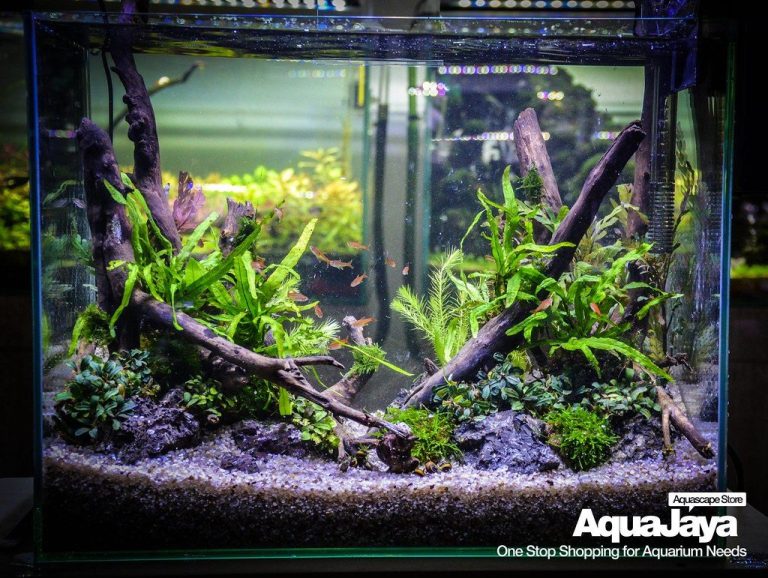
If you have an old glass tank gathering dust in your fish room, you have the perfect foundation for a new project. Learning how to make a terrarium in an aquarium is a satisfying transition for any aquarist. It allows you to use your existing knowledge of nitrogen cycles and plant care in a terrestrial environment.
In my experience, moving from high-tech planted tanks to terrariums feels like a natural evolution. You get to maintain a miniature jungle without the worry of water chemistry fluctuations or algae blooms. Plus, the aesthetic appeal of a vertical garden inside a familiar glass frame is unmatched.
Choosing and Preparing Your Glass Vessel
Before you begin, help your tank is thoroughly cleaned. If it was previously used for fish, remove all traces of salt deposits and mineral buildup using a mild vinegar solution.
If the tank held fish that were treated with copper-based medications, be extra careful. Copper can be toxic to certain sensitive plants and the micro-fauna you might introduce later. A good scrub and multiple rinses are essential for a clean slate.
Pro Tip: Always check your tank’s seals for cracks before starting. A tank that holds water doesn’t necessarily need to be watertight for a terrarium, but structural integrity is vital if you plan to move it frequently.
Building the Foundation: The False Bottom
A healthy terrarium relies on proper moisture management. You cannot simply dump soil into the bottom of a tank, as the lack of drainage will lead to root rot and anaerobic conditions.
You need to create a false bottom drainage layer to keep excess water away from your substrate. Using lightweight expanded clay aggregate (LECA) is the industry standard for this.
- Spread a 1-to-2-inch layer of LECA evenly across the bottom of the tank.
- Place a fine-mesh screen or a piece of landscaping fabric over the clay.
- This mesh substrate barrier prevents your soil from falling into the drainage layer while allowing water to pass through.
Selecting the Right Substrate and Bioactive Elements
For long-term success, I always recommend a bioactive substrate. Unlike standard potting soil, a bioactive mix is designed to support life beyond just plants.
You can mix organic topsoil, coco coir, and horticultural charcoal to create a nutrient-rich blend. Adding sphagnum moss helps retain the right amount of moisture without becoming waterlogged.
Once your soil is in place, you can introduce a cleanup crew. Adding springtails and isopods creates a self-sustaining ecosystem that breaks down mold and decaying plant matter. These tiny organisms are the secret to a tank that stays clean and healthy with minimal intervention.
| Layer | Purpose |
|---|---|
| Drainage Layer | Prevents waterlogging and root rot. |
| Mesh Barrier | Separates soil from drainage; keeps layers clean. |
| Bioactive Soil | Provides nutrients and habitat for micro-fauna. |
Choosing Plants for Your Terrarium
When selecting plants, consider the microclimate of your tank. If you have a sealed lid, you will have very high humidity. If the top is open, you will need plants that can handle drier air.
- Ficus pumila (Creeping Fig) is excellent for covering backgrounds and walls.
- Epiphytic bromeliads add a eye-catching focal point and settle in in the humid pockets of a terrarium.
- Ferns and mosses are perfect for the floor of the enclosure.
I’ve noticed that people often overplant their tanks. Start with a few well-spaced specimens and allow them to grow into the space. This approach helps you monitor growth patterns and avoid overcrowding.
Common Mistake: Avoid using standard garden soil or fertilizer-heavy potting mixes. These often contain additives that are harmful to the beneficial insects you want to build. Always use organic, chemical-free substrates.
Maintenance and Long-Term Care
Even a self-sustaining tank needs occasional attention. You should monitor the moisture levels in the drainage layer; if it looks like there is standing water, you may need to reduce your misting frequency.
If you find that your plants are growing too rapidly, don’t be afraid to prune them back. Regular trimming encourages bushier, healthier growth and prevents one species from choking out the others. You can learn more about managing growth cycles by checking our guide on plant dormancy to keep your terrarium looking its best year-round.
FAQ
Do I need a special light for a terrarium? Standard LED aquarium lights are usually perfect. They provide the spectrum needed for plant growth without emitting excessive heat that could cook your plants inside a closed glass tank.
Can I keep fish in my terrarium? No. A terrarium is a terrestrial environment. If you want a setup that includes both land and water, you are looking for a paludarium, which requires a completely different approach to filtration and water management.
How often should I mist the tank? This depends on your ventilation. A sealed tank might only need misting once a week, while an open-top tank might need daily attention. Watch your plants; if they look wilted or the soil feels dry to the touch, it is time to mist.
Putting it all together
Learning how to make a terrarium in an aquarium is an excellent way to expand your hobby. It offers a new set of challenges that are just as satisfying as maintaining a traditional planted tank. If you focus on a good drainage layer, the right bioactive base, and appropriate plant choices, you can create a beautiful, living art piece that does well for years. Keep your maintenance consistent, enjoy the process, and watch your indoor jungle flourish.
Quick checklist
- In a paludarium, keep water and land sections separated with a solid barrier so soil does not wash into the water.
- Treat the water section like an aquarium: it still needs filtration, cycling and water changes.
- Choose plants that tolerate high humidity, such as pothos, ferns and mosses, for the land section.
- Make sure any land animals and fish in a combined setup have compatible temperature and humidity needs.

- 2003First tank
- 20+Years keeping
- 40+Tanks kept
- 0Sponsored picks
Howard set up his first 10-gallon planted tank in 2003 and lost half of it within six weeks. Two decades and more than forty aquariums later, he writes the guides he wished he had then: clear numbers, the reasons behind them, and what actually goes wrong in home tanks.