Aquarium Plant Toxicity Symptoms – Signs and What to Do
Aquarium plant toxicity symptoms manifest as stunted growth, discolored or rotting leaves, and sudden melting, often indicating an excess of nutrients, heavy metals, or harmful chemicals in the water column or substrate. Prompt identification and corrective action are key for plant survival and overall tank health.
Your planted aquarium is a vivid underwater garden, a delicate ecosystem where fish, shrimp, and plants flourish in harmony. However, even the most dedicated aquarist can face challenges. One of the trickiest to diagnose is when your beautiful aquatic plants start showing signs of distress. It’s often easy to jump to the conclusion of a nutrient deficiency, but what if the problem is too much of a good thing, or worse, something genuinely harmful? Understanding aquarium plant toxicity symptoms is the top priority to maintaining a leafy, healthy aquascape.
In my over ten years of maintaining diverse planted tanks, I’ve learned that plants, much like fish, communicate their well-being through visible cues. Ignoring these signals can lead to irreversible damage to your plant mass and even impact your fish and invertebrates. This guide will walk you through identifying these critical signs, understanding their causes, and implementing effective solutions to restore your aquatic garden to its full glory.
Understanding Healthy Plant Growth: Your Baseline
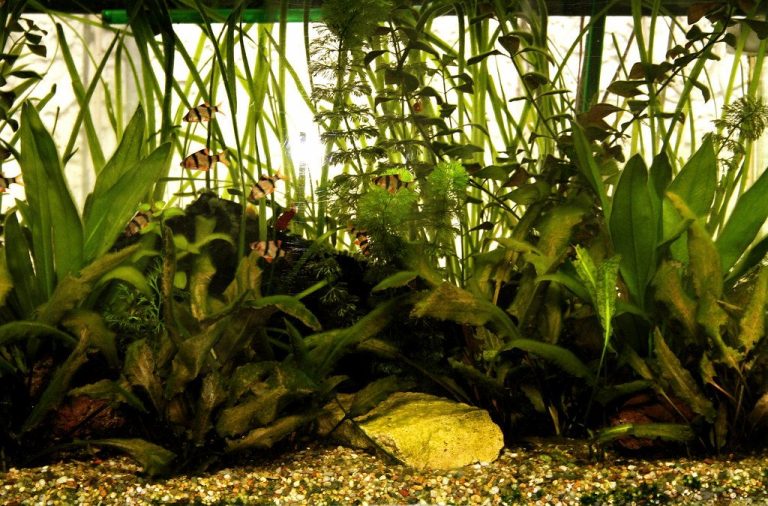
Before we can identify toxicity, it’s essential to recognize what healthy growth looks like. A flourishing aquatic plant will display vivid, consistent coloration appropriate for its species. New leaves will emerge regularly and unfurl without distortion.
Stems will be sturdy, and roots will appear strong and white, anchoring the plant firmly. Observing these characteristics in your plants establishes a important baseline for comparison. Any deviation from this healthy state signals a potential problem.
Signs of a Happy Plant
Healthy plants exhibit steady growth, often requiring regular trimming. Their leaves are typically firm and free from holes, discoloration, or rotting spots. Pearling (small oxygen bubbles forming on leaves) is a common sight in well-lit, CO2-rich tanks, indicating active photosynthesis.
A strong root system, often visible in the substrate or clinging to hardscape, signifies good nutrient uptake. Pay attention to these positive indicators; they are your first line of defense against potential issues.
The Silent Killers: What Causes Aquarium Plant Toxicity?
Toxicity in aquatic plants doesn’t always come from obvious sources. It can be a nuanced issue, often stemming from an imbalance in the very elements meant to help them grow. Recognizing the various culprits is the first step toward effective treatment.
Overdosing Fertilizers and Micronutrients
It’s tempting to think that if a little fertilizer is good, more must be better. Unfortunately, this isn’t the case. Overdosing macro-nutrients like nitrogen, phosphorus, and potassium can stress plants. Even more critical is the overdose of micronutrients such as iron, manganese, zinc, and copper.
While these are essential in trace amounts, an excess can quickly become poisonous. This is a common cause of micronutrient toxicity, where plants struggle to absorb water and other nutrients due to the imbalance.
Pro Tip: When I first started, I often over-fertilized, believing I was giving my plants a boost. I’ve noticed that consistency with precise, measured doses, rather than sporadic heavy feeding, yields much better results. Always follow manufacturer recommendations and adjust based on observation, not just aspiration.
Heavy Metal Phytotoxicity
Heavy metals are a significant concern for aquatic life. While some are micronutrients, an excess can be deadly. Heavy metal phytotoxicity often occurs due to contaminated tap water, poor quality substrates, or even corrosion from old aquarium equipment. Copper, in particular, is a common culprit.
Copper is often found in some tap water supplies, especially in older homes with copper pipes. It’s also a component in many fish medications. Even at levels therapeutic for fish (see our guide on copper therapeutic level aquarium), it can be highly toxic to many aquatic plants and invertebrates.
Chemical Contamination
Accidental introduction of household chemicals, residual cleaning agents on hands or equipment, or even aerosols sprayed near the tank can cause severe plant distress. Pesticides, soaps, and even certain dechlorinators that are not aquarium-safe can lead to rapid decline. Always keep anything coming into contact with your aquarium is thoroughly rinsed and explicitly labeled as aquarium-safe.
Hydrogen Sulfide Toxicity
This often overlooked issue arises from anaerobic conditions in the substrate. If your substrate is too deep, compacted, or lacks proper water circulation, oxygen cannot penetrate. This leads to the growth of anaerobic bacteria that produce hydrogen sulfide (H2S), a highly toxic gas.
You might notice a rotten egg smell if you disturb the substrate, a clear sign of hydrogen sulfide toxicity. This gas is detrimental to plant roots and can even harm fish and invertebrates.
CO2 Imbalance
While CO2 is vital for plant growth, too much can be problematic. Excessively high CO2 levels can lower the pH of your water too rapidly, leading to osmotic shock for plants and stress for fish. Conversely, insufficient CO2 can lead to poor plant health, making them more susceptible to other stressors. Our article on Aquarium Co2 Efficiency offers more insights.
Allelopathic Inhibition
While not a direct “toxicity” in the sense of a chemical overdose, allelopathic inhibition is a interesting phenomenon where one plant releases chemicals to suppress the growth of neighboring plants. Some fast-growing species can release allelochemicals that inhibit the growth of others. This can manifest as stunted growth or poor coloration in affected plants, mimicking other toxicity symptoms. For a deeper dive, check out our guide on aquarium plant allelopathy.
Identifying Aquarium Plant Toxicity Symptoms
Recognizing the specific aquarium plant toxicity symptoms is essential for accurate diagnosis. While some signs can overlap with deficiencies, understanding the nuances will guide your troubleshooting efforts.
Leaf Discoloration and Necrosis
One of the most common signs of toxicity is abnormal leaf coloration. While deficiencies often cause specific patterns of chlorosis (yellowing), toxicity can present differently.
- Interveinal Chlorosis: While often a sign of iron deficiency (see Aquarium Plant Chlorosis), it can also indicate heavy metal toxicity, particularly if accompanied by other severe symptoms. The veins remain green, but the tissue between them yellows.
- Browning or Blackening: This often suggests severe chemical burn or heavy metal poisoning. Leaves may turn dark brown or black, starting from the edges or tips and progressing inwards.
- Reddening: While some plants naturally turn red under high light, a sudden, unnatural reddening in species that are typically green can signify phosphorus toxicity or extreme stress.
Stunted Growth and Deformation
Toxicity often inhibits a plant’s ability to grow normally.
- Stunted Growth: Plants simply stop growing or grow at an unusually slow rate. New leaves may be abnormally small.
- Apical Meristem Necrosis: This is a very severe symptom where the growing tips (apical meristems) of the plant die back and turn black or mushy. This indicates extreme stress or high toxicity, especially from heavy metals or nutrient overdose.
- Leaf Epinasty: Leaves may curl downwards or twist abnormally. This distortion can be a sign of various issues, including hormonal imbalances caused by chemical stressors or micronutrient toxicity.
Melting and Rotting
Rapid tissue death, often described as “melting,” is a severe toxicity symptom.
- Sudden Melting: Leaves and stems can become translucent and mushy very quickly. This is often seen with sudden changes in water parameters (osmotic shock) or severe chemical exposure.
- Root Rot: If the substrate is toxic (e.g., from hydrogen sulfide) or if heavy metals accumulate, roots can become brown, mushy, and unable to anchor the plant. The plant may then float to the surface.
- Plasmolysis: In extreme cases of osmotic shock, plant cells lose water and shrink, causing leaves to wilt and appear deflated, a process known as plasmolysis. This can happen with sudden changes in salinity or very high concentrations of certain dissolved solids.
Common Mistake: Many beginners confuse algae growth on leaves with toxicity. While algae indicates an imbalance, the plant itself isn’t toxic; it’s suffering from excess nutrients that fuel algae. True toxicity symptoms are about the plant tissue itself degrading or deforming.
Distinguishing Toxicity from Deficiency
This is where things get tricky, as some aquarium plant toxicity symptoms can mimic nutrient deficiencies. However, careful observation and testing can help differentiate.
A nutrient deficiency means the plant isn’t getting enough of a vital element. Toxicity means it’s getting too much of something, or something outright harmful.
Here’s a quick comparison of common signs:
| Symptom Category | Likely Toxicity Sign | Likely Deficiency Sign |
|---|---|---|
| Leaf Coloration | Sudden browning, blackening, dark red/purple, general unnatural darkening or bleaching. | Yellowing (chlorosis), pale green, specific patterns (e.g., interveinal chlorosis on new vs. old leaves). |
| Growth Pattern | Sudden cessation of growth, extreme stunting, apical meristem necrosis, significant deformation (epinasty). | Slowed growth, small new leaves, elongated stems (legginess), poor overall vigor. |
| Tissue Integrity | Rapid melting, mushy leaves/stems, root rot, crispy/brittle leaves (due to plasmolysis). | Holes in leaves, older leaves dying off, thin or transparent patches, weak stems. |
| Affected Parts | Often affects new growth first, but can rapidly spread to all parts, including roots. | Depends on the mobile/immobile nutrient; e.g., N/P/K deficiencies often affect older leaves first, while Fe/Mn affect new growth. |
For a more detailed comparison on deficiencies, you can refer to our Aquarium Plant Deficiency Chart.
Immediate Action: What to Do When Toxicity Strikes
Once you’ve identified potential aquarium plant toxicity symptoms, swift action is vital. Delay can lead to irreversible damage to your plants and potentially harm your fish and invertebrates.
Perform a Large Water Change
This is your first and most effective immediate step. A 50-70% water change will dilute any harmful substances in the water column. If you suspect heavy metal contamination or chemical spills, a larger water change (up to 90%) might be necessary. Ensure you use dechlorinated, temperature-matched water.
Test Your Water Parameters
Conduct thorough tests for pH, GH, KH, ammonia, nitrite, and nitrate. If you suspect heavy metal issues, a specialized copper test kit is invaluable. For suspected fertilizer overdose, you might test for specific macronutrients if your kit allows. Pay attention to any sudden, unexplained shifts in pH or hardness, which could indicate a chemical contaminant.
Assess Fertilizer Dosing
If you’ve been dosing fertilizers, pause for a few days. Review your dosing schedule and amounts. Make sure you’re not exceeding recommended levels, especially for micronutrients. Consider switching to a leaner dosing regimen temporarily.
Inspect Substrate and Equipment
If hydrogen sulfide toxicity is suspected, gently (very gently!) disturb small sections of the substrate to check for gas bubbles or the rotten egg smell. If present, consider a thorough substrate cleaning or even removing some substrate to reduce depth. Check any new equipment or decorations for potential leaching.
Remove Affected Plant Material
Prune away any severely damaged or rotting leaves and stems. These decaying parts can further pollute the water and invite algae. While it might feel drastic, removing compromised tissue allows the plant to focus energy on healthy growth.
Prevention is Key: Maintaining a Healthy, Balanced Aquarium
Preventing toxicity is always easier than treating it. A proactive approach to aquarium maintenance significantly reduces the risk of aquarium plant toxicity symptoms appearing in your tank.
Consistent Water Quality Management
Regular, consistent water changes (25-50% weekly or bi-weekly) are your best defense. This dilutes accumulated toxins, replenishes essential minerals, and keeps parameters stable. Always use a reliable water conditioner that removes chlorine, chloramines, and heavy metals.
Prudent Fertilizer Dosing
Adopt a responsible fertilization strategy. Start with lower doses and increase gradually only if plants show signs of deficiency. Consider a comprehensive liquid fertilizer that provides a balanced spectrum of macro and micronutrients. Avoid ‘panic dosing’ when you see issues; instead, diagnose first.
Regular Substrate Maintenance
Keep your substrate clean and aerated. Gently stir the top layer during water changes to prevent compaction. For deeper substrates, consider using root tabs or liquid fertilizers that target the water column to prevent nutrient overload in the substrate itself. Root-eating fish or invertebrates can also help prevent compaction.
Quarantine and Biosecurity
Always quarantine new plants before adding them to your main display tank. This helps prevent introducing pests, diseases, or residual chemicals from their previous environment. Practice good aquarium biosecurity protocol by cleaning tools and hands thoroughly before working in the tank.
Careful Product Selection
Only use products specifically designed for aquariums. Be wary of generic plant foods or remedies not formulated for submerged aquatic environments. When in doubt, research or ask experienced aquarists.
Your Actionable Symptom Checklist for Plant Toxicity
Here’s a quick reference table to help you identify common toxicity symptoms and their likely causes. This is not exhaustive but covers frequent issues.
| Symptom Observed | Possible Toxicity Source | Key Differentiating Factor |
|---|---|---|
| Sudden widespread melting/transparency | Chemical exposure, extreme osmotic shock, high CO2. | Very rapid onset, often affects multiple plant types simultaneously. Fish/inverts may also be distressed. |
| Apical meristem necrosis (growing tips dying) | Heavy metal toxicity (especially copper), severe micronutrient overdose. | Specific to new growth tips. Often accompanied by general stunting. |
| Leaves browning/blackening from edges/tips | Micronutrient toxicity (e.g., iron, manganese), salt buildup, copper toxicity. | Can resemble severe burns. Often affects older leaves first, then spreads. |
| Leaves curling downwards (epinasty) or twisting | Hormonal disruption from chemicals, specific micronutrient toxicity (e.g., boron). | Distortion rather than simple discoloration. Often affects new/mid-growth. |
| Stunted growth with dark, brittle leaves | Micronutrient overdose, especially iron. | Plants appear “hard” or rigid, not soft and melting. |
| Roots turning black/mushy, plant floats | Hydrogen sulfide toxicity in substrate, heavy metal accumulation in substrate. | Look for rotten egg smell when disturbing substrate. |
| General plant malaise, lack of pearling, fish gasping | Excess CO2 (leading to low pH/osmotic shock). | Check CO2 diffuser and drop checker. Rapid pH drop. |
Practical notes
- Copper treatments work against many marine parasites but are deadly to invertebrates and must be measured with a copper test kit.
- Keep a written log of dates, doses and symptoms while a fish is in quarantine.
- Watch new arrivals for clamped fins, rapid breathing, white spots and flashing before they ever join the main tank.
- For marine ich, leaving the display tank fishless (fallow) for 76 days breaks the parasite life cycle.
Common questions About Plant Toxicity
Can too much light cause plant toxicity?
While excessive light doesn’t directly cause chemical toxicity, it can lead to photoinhibition or algae blooms, stressing plants and mimicking some symptoms. Plants can also be “burned” by too intense lighting if not properly acclimated. This isn’t toxicity in the chemical sense but certainly a form of stress.
Are some plants more susceptible to toxicity than others?
Yes, absolutely. Delicate, fast-growing stem plants and carpeting plants often show aquarium plant toxicity symptoms more quickly than hardier, slower-growing species like Anubias or Java Fern. Certain plants, like mosses and some cryptocorynes, are particularly sensitive to copper.
How do I test for heavy metals in my aquarium?
Basic aquarium test kits usually don’t include heavy metals. For specific concerns like copper, specialized test kits are available at most fish stores. For a broader analysis, you might need to send a water sample to a professional lab.
Can algae contribute to plant toxicity?
Algae itself doesn’t typically cause toxicity to plants directly. However, a massive algae bloom indicates an imbalance in nutrients (often excess nitrates/phosphates) that can outcompete plants for resources and light, leading to plant stress and decline, which might be mistaken for toxicity.
Is it possible for plants to recover from toxicity?
Yes, many plants can recover if the source of toxicity is identified and removed quickly. Recovery often involves a significant water change, careful pruning of damaged parts, and then stable, ideal conditions. Severely damaged plants, especially those with apical meristem necrosis, might struggle more or require complete replacement.
Where that leaves you
Identifying and addressing aquarium plant toxicity symptoms is a critical skill for any aquarist aiming for a healthy planted tank. It goes beyond simply looking for deficiencies and requires a deeper understanding of your aquarium’s chemistry and environmental factors. By carefully observing your plants, testing your water, and practicing consistent, careful husbandry, you can prevent many of these issues before they take hold.
Your plants are living indicators of your aquarium’s health. Learning to read their cues, whether it’s the sudden browning of a leaf or the mysterious melting of a stem, empowers you to take prompt, effective action. With patience and attention to detail, you can build a beautiful, balanced, and healthy underwater ecosystem for all its inhabitants.

- 2003First tank
- 20+Years keeping
- 40+Tanks kept
- 0Sponsored picks
Howard set up his first 10-gallon planted tank in 2003 and lost half of it within six weeks. Two decades and more than forty aquariums later, he writes the guides he wished he had then: clear numbers, the reasons behind them, and what actually goes wrong in home tanks.