Dark Start Method Aquarium – Setup Checklist
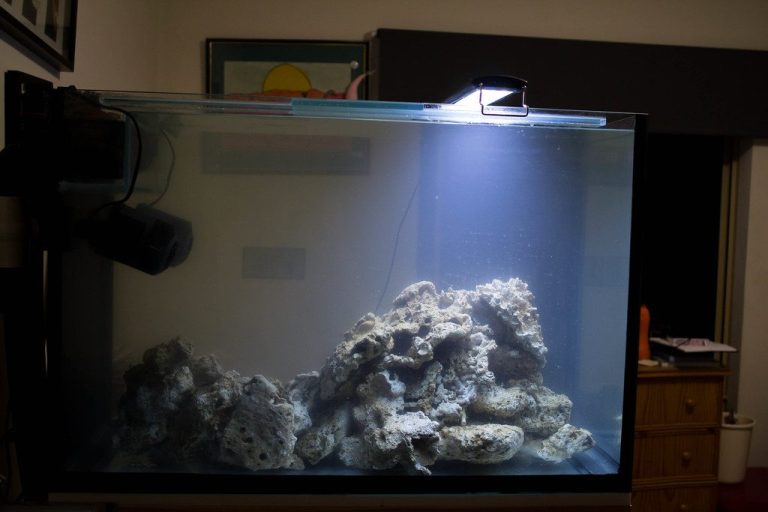
The dark start method aquarium technique involves cycling your tank in total darkness, allowing beneficial bacteria to establish without light, which effectively prevents the typical algae outbreaks associated with new setups.
Starting a new planted tank is often an exercise in patience, but many beginners find themselves fighting a losing battle against algae in the first few weeks. I have spent over a decade maintaining various systems, and I have found that the most common point of frustration for newcomers is the dreaded “new tank syndrome” combined with massive algae blooms.
The dark start method aquarium approach is a big help for those who want to establish a sturdy biological foundation before introducing the complex variables of lighting and high-demand plants. By removing light from the equation during the initial cycling phase, you are essentially hitting the pause button on algae while letting your beneficial bacteria, such as Nitrosomonas and Nitrobacter, settle into their new home.
Understanding the Science Behind the Dark Start
At its core, the dark start method is about prioritizing the nitrogen cycle over aesthetics. When you first fill a tank with fresh substrate and water, there is no biological filtration to speak of.
If you turn on your lights immediately, you provide the perfect conditions for opportunistic algae to consume the initial nutrient spike. If you keep the tank dark, you deny algae the energy source they need to stay healthy.
Meanwhile, your filter media and substrate become the primary site for bio-media colonization. You are allowing the bacteria to process the ammonia provided by your chosen source without competing with diatoms or green hair algae. This creates a more stable, mature ecosystem before you even add your first specimen.
Step-by-Step Implementation Framework
To perform a successful dark start, you need to be methodical. It requires a bit more discipline than a traditional setup, but the results in terms of water clarity and plant health are well worth the wait.
| Phase | Action Item |
|---|---|
| Preparation | Install active substrate, filter, and heater. Fill with dechlorinated water. |
| Cycling | Add ammonia source; test for Nitrification; keep lights completely off. |
| Transition | Perform a large water change, plant your aquascape, and begin a standard light cycle. |
Managing Substrate and Nutrients
Many aquarists use an active substrate to buffer water parameters. However, these substrates often release a significant amount of ammonia during the first few days, a process known as ammonium leaching.
In a traditional setup, this leaching often leads to a massive algae spike. In a dark start, the bacteria have time to process this release while the cation exchange capacity of the substrate stabilizes.
Pro Tip: Don’t rush the transition. I always wait until my water tests show 0 ppm ammonia and 0 ppm nitrite for at least three consecutive days before I even consider turning on the lights or adding plants.
The Role of Beneficial Bacteria
Nitrification is the backbone of any healthy aquarium. If you keep the tank dark, you are not harming the beneficial bacteria; in fact, you are giving them the absolute best environment to multiply.
These bacteria are not light-dependent. They settle in on the surfaces of your filter sponges, ceramic rings, and the pores of your substrate. Without the interference of rapidly growing algae, these colonies can reach a density that would normally take months to achieve in a lit tank.
This stability is vital for your future livestock. When you finally add fish or shrimp, your tank will be biologically “mature” rather than just “new.”
Avoiding Common Pitfalls
Even with the dark start method, there are mistakes that can derail your progress. The most common one I see is a lack of water movement.
Beneficial bacteria require a high level of dissolved oxygen to process ammonia efficiently. Ensure your filter is running at full capacity and that there is good surface agitation.
Another mistake is the failure to account for substrate saturation. If you are using a nutrient-rich soil, the initial dump of nutrients can be overwhelming; regular testing is the only way to track if your cycle is actually progressing or if you are simply stuck in a loop of ammonia leaching.
Common Mistake: Adding plants too early. While some hardy plants might survive in the dark, they will likely lose their leaves and create more waste. Wait until the tank is cycled to plant your aquascape.
Benefits of the Dark Start Method Aquarium
The primary advantage is undoubtedly the reduction in algae. By the time you start your lighting schedule, the plants you introduce will have a clear advantage.
Because the bacteria are already established, the tank can handle a higher initial plant biomass without the usual “melting” phase that occurs when plants are introduced to a biologically immature environment. Furthermore, the humic acid released by some substrates will have time to mellow out, resulting in crystal-clear water.
Worth knowing before you start
- Change one variable at a time (light, CO2 or fertiliser) and wait two weeks to judge the result.
- Root feeders such as swords, crypts and vallisneria need root tabs or a nutrient-rich substrate, not only liquid fertiliser.
- Add plants before fish in a new tank; they start using ammonia and nitrate right away.
- Remove melting or dead leaves promptly so they do not break down into ammonia.
Frequently asked questions
How long does a dark start typically take?
In my experience, it usually takes between 3 to 6 weeks, depending on the temperature and the amount of ammonia added.
Can I run a CO2 system during the dark start?
No. There is no benefit to running CO2 without plants, and it will only be a waste of resources.
Will my plants die if I keep them in the dark?
This method is intended for a tank without plants. If you want to include plants from day one, you must provide light, which negates the “dark start” concept.
Does the dark start method prevent all algae?
It prevents initial bloom-style algae, but it does not replace the need for good maintenance and proper nutrient uptake management once you start your lighting cycle.
My final take
The dark start method aquarium technique is proof of the idea that patience is the most important tool in an aquarist’s kit. If you prioritise the invisible biological processes over the immediate visual gratification of a planted tank, you set yourself up for long-term success.
You’ll find that when you finally do turn on those lights, your tank won’t just look cleaner—it will be a stable, healthy ecosystem ready for whatever life you choose to introduce. Take your time, monitor your water parameters, and enjoy the process of building a foundation that lasts.

- 2003First tank
- 20+Years keeping
- 40+Tanks kept
- 0Sponsored picks
Howard set up his first 10-gallon planted tank in 2003 and lost half of it within six weeks. Two decades and more than forty aquariums later, he writes the guides he wished he had then: clear numbers, the reasons behind them, and what actually goes wrong in home tanks.