Are Axolotls High Maintenance? Your Expert Guide To Simple
While axolotls require specific environmental conditions, particularly regarding water temperature and quality, their daily care routine is relatively straightforward once their specialized habitat is established. They are more particular about their environment than they are demanding in constant attention, making them moderately high maintenance for beginners.
Welcome, fellow aquarists. If you’re considering adding a interesting axolotl to your aquatic family, you’ve likely asked the question: “are axolotls high maintenance?” It’s a common and important concern, especially for those new to keeping exotic amphibians. As someone who has personally maintained a variety of aquariums for over a decade, including several dedicated to these unique creatures, I can tell you that the answer isn’t a simple yes or no.
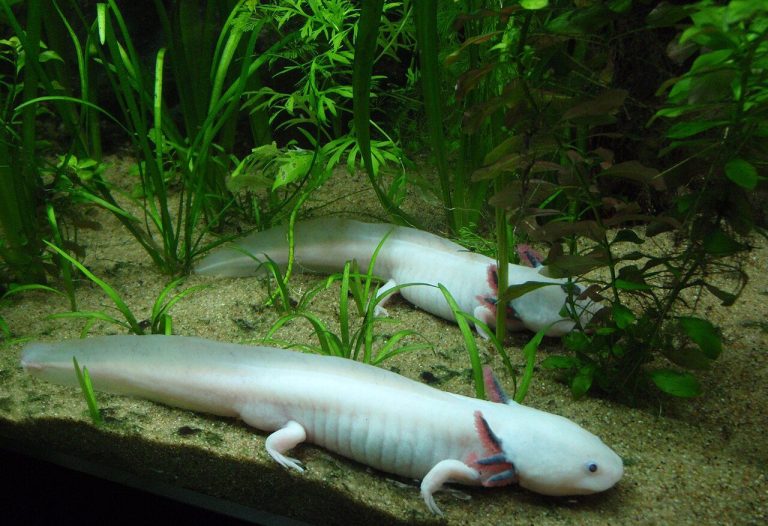
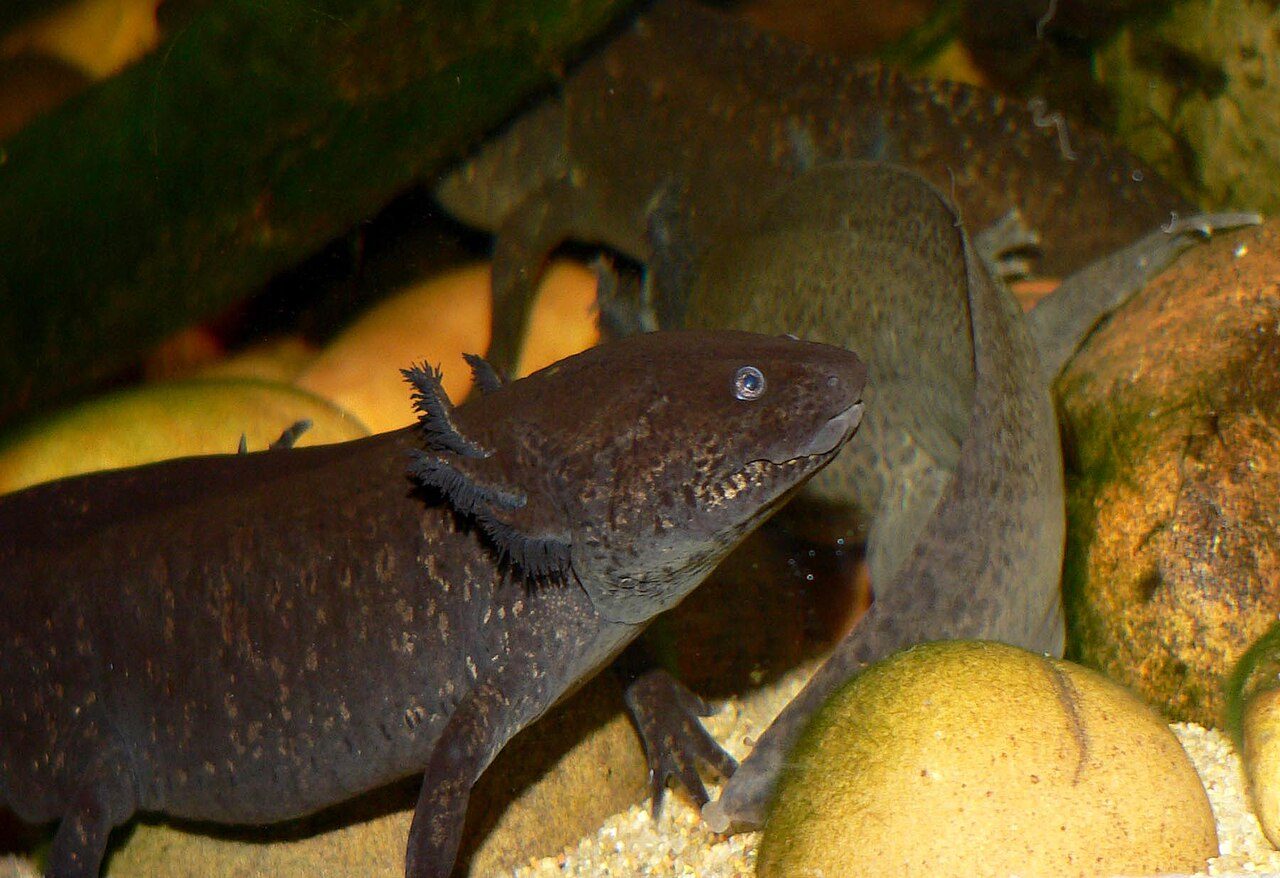
Axolotls, scientifically known as Ambystoma mexicanum, are remarkable. Their perpetual smile and feathery external gill filaments make them incredibly charming. However, their specific needs mean they aren’t quite like keeping a betta fish or a school of guppies. In this comprehensive guide, we’ll look closely at what it takes to provide a well-kept home for an axolotl, demystifying their care requirements and giving you the confidence to succeed.
At a glance: Axolotl (Ambystoma mexicanum)
- Temperature
- 60–64°F (16–18°C)
- Water pH
- 7.0–8.0
- Adult size
- 9–12 in (23–30 cm)
- Minimum tank
- 20 gal long for one
- Group size
- Alone or same-size adults
- Temperament
- Peaceful, no fish tank mates
- Diet
- Carnivore: earthworms, axolotl pellets, bloodworm
- Lifespan
- 10–15 years
Keeper’s tip: Water above 70°F stresses axolotls quickly; a fan or chiller is often needed in summer.
Understanding Axolotl Care: Specialized Needs vs. Daily Demands
When people ask, “are axolotls high maintenance,” they often picture endless daily tasks. The reality is that axolotl care involves a significant upfront investment in setting up the right environment, followed by a consistent but manageable routine. Their “high maintenance” reputation often stems from these specialized environmental needs rather than requiring constant hands-on work.
Once their habitat is properly established, a healthy axolotl typically demands less frequent attention than, say, a heavily planted discus tank. The key is understanding their unique biology and replicating their natural environment as closely as possible.
The Essential Foundation: Tank Setup and Environment
The first and most critical step in axolotl care is establishing their aquarium. Unlike many tropical fish, axolotls are cold-water creatures. This single factor dictates much of their environmental setup.
Tank Size and Filtration
For a single adult axolotl, a minimum of a 20-gallon long aquarium is recommended. More space is always better, especially for waste dilution. When I first started, I used a standard 10-gallon, and I quickly realized it was too small, leading to more frequent water changes and stress for the axolotl.
Filtration is vital, but it must be gentle. Axolotls have delicate external gill filaments that can be damaged by strong currents. A sponge filtration system is often ideal, as it provides excellent biological filtration without creating excessive flow. Canister filters can also work, but help the outflow is baffled to reduce current.
Substrate Choices
Choosing the right substrate is essential to preventing a common and dangerous issue: substrate impaction. Axolotls tend to “taste” their environment, and if they ingest gravel or small stones, it can block their digestive tract, often with fatal consequences.
Fine sand (play sand or pool filter sand) is acceptable for adult axolotls (over 5-6 inches) as it passes through their system easily. However, for juveniles, or if you prefer to eliminate any risk, a bare-bottom tank or large, smooth river stones (too big to swallow) are the safest options. Many experienced keepers, myself included, opt for bare-bottom tanks for ease of cleaning and safety.
Pro Tip: Cycling Your Tank is Non-Negotiable.
Before introducing your axolotl, your aquarium MUST be fully cycled. This establishes a healthy colony of beneficial bacteria that convert toxic ammonia and nitrites into safer nitrates. Skipping the Nitrogen cycle will lead to rapid ammonia toxicity and almost certainly the death of your axolotl. Be patient; cycling can take 4-8 weeks.
The Demands of Water Quality and Temperature
This is where axolotl care often differs significantly from many common freshwater fish and can contribute to the perception that are axolotls high maintenance. They have very specific requirements for water parameters and temperature.
Temperature Control: The Cooling Challenge
Axolotls stay healthy in cool water, ideally between 60-68°F (16-20°C). Temperatures above 72°F (22°C) can cause severe stress, illness, and even death. This is often the most challenging aspect for hobbyists, especially those in warmer climates.
Maintaining these cool temperatures often requires an aquarium chiller. While fans blowing across the water surface can provide some evaporative cooling, and frozen water bottles offer temporary relief, a chiller is the most reliable long-term solution. This equipment adds to the initial cost and setup complexity.
Water Parameters: Keeping it Pristine
Axolotls are highly sensitive to water quality. Ammonia and nitrites must always be at 0 ppm. Nitrates should be kept below 20 ppm, ideally closer to 10 ppm. Regular water testing is not just recommended; it’s essential. I test my axolotl tanks weekly without fail.
Here’s a quick overview of ideal axolotl water parameters:
| Parameter | Ideal Range | Notes |
|---|---|---|
| Temperature | 60-68°F (16-20°C) | Essential for health; higher temps cause stress. |
| pH | 6.5 – 8.0 (neutral to slightly alkaline) | Stability is more important than exact value. |
| Ammonia (NH₃/NH₄⁺) | 0 ppm | Highly toxic, even in small amounts. |
| Nitrite (NO₂⁻) | 0 ppm | Also highly toxic. |
| Nitrate (NO₃⁻) | < 20 ppm (ideally <10 ppm) | Managed through regular water changes. |
| General Hardness (GH) | 7-14 dGH (125-250 ppm) | Important for osmoregulation and bone health. |
| Carbonate Hardness (KH) | 3-8 dKH (50-140 ppm) | Buffers pH, preventing sudden drops. |
Common Mistake: Ignoring Water Changes!
Even with excellent filtration, regular partial water changes are vital. They replenish essential minerals and, most importantly, remove nitrates that build up over time. A 25-30% water change weekly is a good starting point, but adjust based on your nitrate readings.
Feeding Your Axolotl: A Straightforward Task
Compared to the environmental requirements, feeding axolotls is relatively simple. They are carnivores and readily accept a variety of meaty foods.
Dietary Staples
High-quality sinking axolotl pellets should form the core of their diet. These are formulated to provide all necessary nutrients. Supplementing with live or frozen foods is also beneficial.
Good options include earthworms (nightcrawlers are excellent), bloodworms (frozen or live), blackworms, and sometimes brine shrimp for younger axolotls. Avoid feeder fish, as they can carry diseases and often lack nutritional value.
Feeding Frequency
Adult axolotls typically eat 2-3 times a week. Juveniles, which are growing rapidly, may need to be fed daily. I’ve noticed that overfeeding is a common beginner mistake, which not only pollutes the water but can also lead to obesity in the axolotl.
Health and Maintenance: Vigilance and Prevention
Keeping an eye on your axolotl’s health and adhering to a consistent maintenance schedule will prevent most issues. This ongoing vigilance is where the “maintenance” aspect comes into play.
Signs of a Healthy Axolotl
A healthy axolotl will have bright, bushy external gill filaments, clear eyes, and an alert demeanor. Their body should be plump, but not excessively so. They will often patrol their tank or rest calmly on the bottom.
Common Health Issues and Prevention
Most axolotl health problems stem from poor water quality or incorrect temperatures. Ammonia toxicity, for example, can quickly lead to stress, lethargy, and ultimately death. Fungal infections, such as Saprolegnia, often manifest as white, cottony growths, and are usually a secondary infection due to stress from poor water conditions.
Bacterial infections like Columnaris (often mistaken for fungus due to its appearance) can also occur, especially in compromised immune systems. Maintaining pristine, cool water is your best defense against these ailments.
Routine Maintenance Schedule
A consistent schedule makes axolotl care much less daunting:
- Daily: Check water temperature, help chiller/fans are working, remove any uneaten food, observe axolotl’s behavior.
- Weekly: Test water parameters (ammonia, nitrite, nitrate, pH). Perform a 25-30% partial water change, siphoning any waste from the substrate or bare bottom. Clean any visible algae from tank walls.
- Monthly/Bi-Monthly: Rinse filter media in old tank water (never tap water!) to remove detritus without killing beneficial bacteria. Replace activated carbon if used.
- Annually: Deep clean tank, if necessary (though with good weekly maintenance, this is rarely needed).
Are Axolotls High Maintenance for Beginners?
To summarize, are axolotls high maintenance for a beginner? They are moderately high maintenance. They require more specific equipment and a deeper understanding of the nitrogen cycle and water chemistry than many common beginner fish. The initial setup can be complex and expensive, particularly if a chiller is needed.
However, once the correct environment is established, their daily care is not excessively demanding. They are not social animals requiring constant interaction, nor do they need intricate daily feeding rituals. The maintenance largely revolves around consistent water quality management and temperature control.
If you’re willing to invest in the right equipment and commit to regular water testing and changes, an axolotl can be an incredibly satisfying pet. They offer a unique window into the aquatic world and, with proper care, can live for 10-15 years, becoming a long-term companion. For those interested in their remarkable history, you might want to learn who discovered axolotls and their origins.
Common questions About Axolotl Maintenance
Do axolotls need light?
No, axolotls do not require special lighting. They are nocturnal by nature and prefer dim conditions. If you have plants that need light, a low-intensity LED on a timer for 8-10 hours a day is fine, but make sure there are plenty of hides for your axolotl to retreat to.
Can axolotls live with other fish?
Generally, no. Axolotls are best kept in a species-only tank. Fish can nip at their delicate external gill filaments, causing stress and injury. Conversely, axolotls will attempt to eat any fish small enough to fit in their mouths, often leading to impaction or injury.
How often do I need to clean an axolotl tank?
You should perform a partial water change (25-30%) and siphon waste from the bottom weekly. Filter maintenance should be done monthly or bi-monthly. Daily spot cleaning of uneaten food is also key.
What if my axolotl’s gills are shrinking?
Shrinking or “fading” gills are often a sign of stress, usually due to poor water quality (high ammonia, nitrites, or nitrates) or high temperatures. Immediately test your water parameters and perform a water change if necessary. Make sure your tank temperature is within the ideal range. If conditions are corrected quickly, the gills can often recover.
How long do axolotls live?
Looked after properly, axolotls can live a remarkably long time, often 10-15 years, and sometimes even longer. This longevity is another reason why understanding their maintenance needs is so important.
Conclusion: The Rewarding Journey of Axolotl Keeping
So, are axolotls high maintenance? My experience tells me they are not for the casual beginner, but they are far from impossible. They demand a commitment to specific environmental conditions, particularly concerning cool water temperatures and pristine water quality. This initial setup and ongoing vigilance are the “high maintenance” aspects.
However, once these foundational requirements are met, the actual day-to-day care is quite manageable. The joy of watching these unique, charming amphibians settle in in a well-maintained habitat is incredibly satisfying. If you’re ready for the challenge and committed to providing the best possible home, an axolotl will undoubtedly bring years of unusual companionship to your aquarium.
- 2003First tank
- 20+Years keeping
- 40+Tanks kept
- 0Sponsored picks
Howard set up his first 10-gallon planted tank in 2003 and lost half of it within six weeks. Two decades and more than forty aquariums later, he writes the guides he wished he had then: clear numbers, the reasons behind them, and what actually goes wrong in home tanks.