Red Foot Tortoise Enclosure Ideas – Expert Habitat Setups
Effective red foot tortoise enclosure ideas focus on high humidity, ambient warmth, and dense tropical foliage. Successful setups range from closed-top PVC enclosures indoors to heavily shaded, secure garden pens featuring shallow soaking pools outdoors.
Red-foot tortoises (Chelonoidis carbonarius) originate from the humid forests and savannas of Central and South America. Unlike desert species that thrive in arid environments, red-foots require constant moisture, warmer ambient temperatures, and moderate lighting to maintain optimal health.
When researching red foot tortoise enclosure ideas, it is essential to tailor your habitat to replicate these warm, rain-forested microclimates. Providing proper hydration, deep substrates, and tropical hides prevents severe health issues such as pyramiding and respiratory infections.
Whether you are designing a compact indoor terrarium for a growing juvenile or building an expansive outdoor sanctuary for an adult, selecting the right enclosure layout makes all the difference.
Understanding Tropical vs. Arid Habitat Requirements
Many beginner keepers make the mistake of housing tropical tortoises in open-topped dry habitats designed for Mediterranean or desert species. Red-foot tortoises require a relative humidity level of 70% to 80% for adults, and up to 90% for hatchlings.
Traditional open tortoise tables allow humidity to escape almost immediately. As a result, closed-top enclosures or modified vision cages are far better suited for indoor tropical habitats.
Light intensity also differs significantly between tropical and arid reptiles. Red-foots spend much of their time under dense forest canopies, so they prefer diffuse, moderate UVB light rather than intense desert sun.
Indoor Red Foot Tortoise Enclosure Ideas
Creating an indoor habitat requires balancing heat management, moisture retention, and physical space. A well-designed indoor setup provides distinct temperature microclimates while keeping atmospheric moisture high.
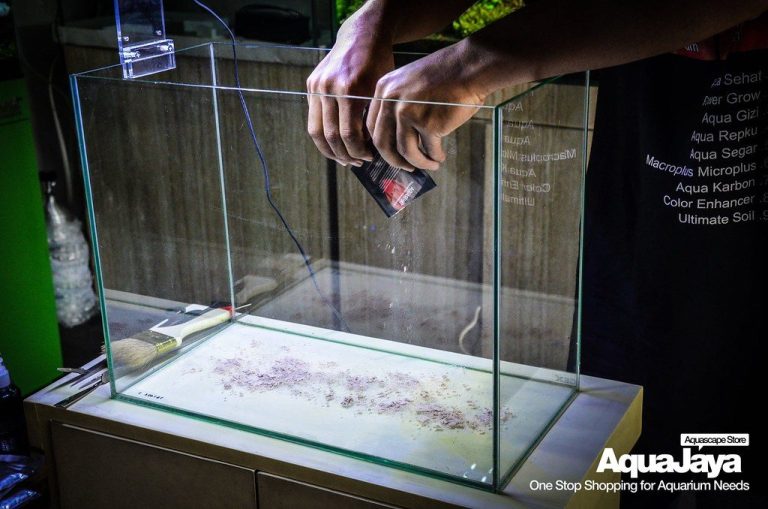
Closed PVC terrariums, sealed wooden enclosures, and modified greenhouses are among the most effective indoor designs. While some hobbyists consider housing tortoises in glass aquariums, standard fish tanks often lack adequate ventilation and airflow controls required for larger adults.
| Life Stage | Minimum Enclosure Size | Target Humidity Range | Recommended Habitat Style |
|---|---|---|---|
| Hatchling (0–12 Months) | 3 x 2 Feet (6 Sq Ft) | 80% – 90% | Enclosed PVC / Glass Terrarium |
| Juvenile (1–4 Years) | 4 x 2 Feet (8 Sq Ft) | 75% – 85% | Closed Wooden Box / Custom PVC |
| Adult (5+ Years) | 8 x 4 Feet (32 Sq Ft) | 70% – 80% | Sealed Room / Greenhouse / Outdoor Pen |
Closed-Top PVC and Sealed Wood Enclosures
PVC enclosures are ideal for tropical species because PVC does not rot or warp when exposed to high moisture. The smooth walls lock in heat and humidity, reducing the need for constant misting.
If you prefer building custom DIY tortoise setups out of wood, you must line the interior thoroughly. Seal all seams with non-toxic aquarium silicone and line the floor and lower walls with heavy-duty pond liner or plastic sheeting.
Converted Furniture and Greenhouse Cabinets
Repurposed bookshelves laid flat on their backs offer a budget-friendly foundation for juvenile tortoise housing. Removing the internal shelves creates a long box that can be lined with waterproof barriers.
For adult indoor housing, converted indoor mini-greenhouses or tall display cabinets fitted with waterproof trays work exceptionally well. These tall structures allow you to grow live tropical plants directly inside the habitat while maintaining high humidity.
Pro Tip: When using wooden furniture conversions, always extend pond liner at least 8 to 10 inches up the side walls. Substrate dampness will quickly rot raw wood and produce hidden mold if moisture penetrates the outer frame.
Outdoor Red Foot Tortoise Enclosure Ideas
Whenever local weather allows, keeping red-foot tortoises outdoors provides valuable natural sunlight and room to explore. However, outdoor enclosures must account for shade, security, and warm temperatures.
Because red-foots are native to forest floors, direct unshaded sunlight can lead to overheating quickly. A shaded outdoor garden space with scattered sun patches simulates their natural home.
Weather-Resistant Perimeter Fencing
Outdoor walls should stand at least 16 to 18 inches high to prevent tortoises from climbing over. Red-foot tortoises are strong pushers, so wall panels must be anchored securely into the ground.
Poured concrete blocks, smooth landscape timbers, or sturdy PVC boards make excellent perimeter walls. Avoid wire mesh fencing for walls, as tortoises may get their legs caught or try repeatedly to push through visible openings.
Climate-Controlled Sheds for Cooler Nights
In temperate regions, night temperatures can drop below the safe minimum of 70°F even during summer months. Constructing an insulated, heated outdoor night shed gives your tortoise a safe refuge.
Install radiant heat panels or ceramic heat emitters connected to a reliable thermostat inside the shed. A doggy door or flexible vinyl flap allows the tortoise to move freely between the warm shed and outdoor pen during the day.
Substrate Layering and Humidity Retention
Substrate selection plays a critical role in maintaining high relative humidity without creating soaking wet, unsanitary conditions. The bottom substrate layer should hold moisture while the top layer remains damp but comfortable.
A 4 to 6-inch layer of organic coconut coir mixed with damp sphagnum moss makes an excellent base. Top this base layer with high-grade cypress mulch or orchid bark to prevent substrate from clinging to food items.
- Top Layer: 2 inches of Cypress Mulch or Orchid Bark (durable, clean top surface)
- Middle Layer: 2 to 3 inches of Organic Coconut Coir (holds bulk water)
- Base Layer: 1 inch of Hydroton Clay Balls or Lava Rock (drainage layer to prevent stagnant water pooled at the bottom)
Installing an automated misting system or fogger on a digital timer helps keep atmospheric humidity steady throughout the day. Hand-misting twice daily also works well if automated equipment is not an option.
Heating, Ambient Gradient, and Lighting Setups
Red-foot tortoises require a gentle temperature gradient rather than intense, pinpoint heat. Their habitat should feature a ambient day temperature of 80°F to 84°F, a localized basking area of 90°F to 95°F, and a cool zone around 75°F to 78°F.
Overhead ceramic heat emitters or deep-cut radiant heat panels are superior to open incandescent spotlights. They warm the surrounding air evenly without drying out the environment rapidly.
For lighting, provide a 5.0 or 6% T5 HO UVB linear tube light spanning half the length of the enclosure. Always ensure your tortoise has access to dark, fully covered hides so it can escape light when resting.
Common Mistake: Never use basking heat rocks or under-tank heating pads inside a tortoise habitat. Tortoises cannot efficiently register heat through their plastron (bottom shell), which often leads to severe thermal burns.
Safe Live Plants and Environmental Enrichment
Incorporating live non-toxic plants enhances humidity, improves air quality, and provides natural foraging opportunities. Plants also break up lines of sight, making the enclosure feel larger and reducing glass-pacing behaviors.
Safe tropical live plants include Boston ferns, hostas, hibiscus, spider plants, and pothos (Epipremnum aureum). Ensure all nursery plants are flushed with clean water and re-potted in organic soil for several weeks before adding them to the habitat to eliminate residual pesticides.
Incorporate natural physical enrichment like hollow cork bark logs, smooth slate stones, and low wooden ramps. Varying the ground contours keeps muscles strong and helps wear down toe claws naturally.
When designing hides, ensure they are large enough for the tortoise to turn around completely. You can explore creative ideas for creating proper sleeping spots by placing damp sphagnum moss inside covered hides to build micro-humidity caves.
Shallow Soaking Pools and Feeding Zones
Hydration is vital for tropical tortoises. Red-foots enjoy soaking their lower shells frequently, which stimulates digestion and promotes healthy bladder function.
Provide a wide, shallow water basin that allows the tortoise to walk in easily without tipping over. The water depth should only reach the lower rim of the tortoise’s shell (plastron) to prevent drowning risks.
Place smooth slate tiles or flat stone slabs in a designated corner to serve as a clean feeding zone. Scraping their beak against rough slate during feeding helps keep the tortoise’s beak trimmed naturally.
Frequently Asked Questions About Red Foot Tortoise Enclosures
Can I keep a red-foot tortoise in a open tortoise table?
Open tortoise tables generally lose humidity too quickly for red-foot tortoises unless your ambient room humidity stays above 70%. If using an open table, you must use deep damp substrates, heavy live planting, and frequent misting.
What is the best substrate for a red-foot tortoise enclosure?
Cypress mulch mixed with coconut coir and damp sphagnum moss is widely considered the best substrate mix. It holds moisture exceptionally well without decomposing quickly or harboring foul odors.
How do I maintain 80% humidity in a wooden tortoise enclosure?
Seal all interior wood seams with non-toxic silicone, line the bottom with waterproof pond liner, and cover most of the screen top with clear acrylic plates. Adding an automated fogger and deep damp moss layers will stabilize humidity levels.
Do red-foot tortoises need direct sunlight every day?
While full-spectrum natural sunlight is best, red-foot tortoises do well indoors with a high-quality T5 HO UVB light fixture running on a 12-hour daily cycle.
Creating a Thriving Tropical Habitat
Implementing thoughtful red foot tortoise enclosure ideas requires matching your setup to the wet, canopy-shaded forests red-foots call home. Focus on maintaining elevated humidity, consistent ambient heat, soft substrates, and ample cover.
By providing wide soaking trays, deep substrate layers, and safe tropical foliage, your red-foot tortoise will remain active, hydrated, and healthy for decades to come.
- 2003First tank
- 20+Years keeping
- 40+Tanks kept
- 0Sponsored picks
Howard set up his first 10-gallon planted tank in 2003 and lost half of it within six weeks. Two decades and more than forty aquariums later, he writes the guides he wished he had then: clear numbers, the reasons behind them, and what actually goes wrong in home tanks.