How to Put Together a Fish Tank – Complete Setup Guide
Learning how to put together a fish tank requires positioning a sturdy stand, adding rinsed substrate, installing filtration and heating equipment, filling with dechlorinated water, and fully cycling the ecosystem before adding fish.
Setting up your first aquarium is an exciting journey into creating a vibrant underwater ecosystem right in your home. Knowing how to put together a fish tank correctly from day one prevents costly mistakes and ensures a safe home for your aquatic pets. Following proper assembly steps protects your livestock from early stress and establishes long-term environmental stability.
Before purchasing your aquatic life, you must construct a reliable foundation for your underwater habitat. Taking a systematic approach to cleaning, equipment placement, and water chemistry will guarantee a successful aquarium build. Explore these basic best practices for starting an aquarium to prepare yourself thoroughly.
Planning and Site Preparation for Your New Tank
Choosing the Right Location and Sturdy Stand
Positioning your glass vessel requires careful evaluation of your room’s layout and structural support. A fully decorated setup weighs roughly ten pounds per gallon of water, meaning even a modest 20-gallon setup weighs over 200 pounds. Select a sturdy, level surface positioned well away from direct sunlight, drafty doors, and heat vents.
Direct sunlight fuels nuisance algae growth and creates unwanted temperature spikes throughout the day. Ensure your chosen location has easy access to grounded electrical outlets for running filters and heaters.
Inspecting the Glass and Silicone Sealant
Before positioning your aquarium on its stand, perform a thorough visual inspection of the entire glass structure. Check for any small hairline cracks, chipped corners, or gaps along the inner seams.
Inspect the factory-applied aquarium silicone sealant along every corner to verify it remains pliable and unbroken. Wiping the inside glass clean with a damp paper towel removes manufacturing dust without introducing harmful chemicals.
Essential Equipment and Parameter Checklist
Building a balanced aquatic habitat requires specific mechanical and environmental control systems. Having all necessary gear prepared prior to assembly saves time and prevents unexpected delays during setup.
| Equipment / Component | Primary Function | Target Range / Specification |
|---|---|---|
| Submersible Heater | Maintains steady thermal environment | 75°F – 80°F (Tropical species) |
| Power Filter | Removes waste & fosters bio-filtration | 4x–6x total tank volume per hour turnover |
| Biological Filter Media | Houses nitrifying bacterial colonies | Porous ceramic rings or coarse sponge |
| Water Conditioner | Neutralizes chlorine and chloramines | Sodium thiosulfate dechlorinator formula |
Preparing Substrate and Hardscape Decor
Cleaning Substrate Without Harmful Chemicals
Substrate provides the physical foundation for your aquatic landscape and offers essential surface area for beneficial bacteria. Whether using coarse gravel, sand, or specialized calcined clay substrate for live plants, thorough rinsing is vital. Place small batches of substrate into a clean bucket and rinse with tap water until the run-off water runs clear.
Never use soaps, dish detergents, or household cleaners when washing substrate or decor items. Detergent residues remain trapped within porous materials and cause lethal toxicity to aquatic life once filled.
Pro Tip: Place a clean dinner plate face-up on top of your substrate before pouring water into the aquarium. This simple technique diffuses the water stream, preventing your newly washed sand or gravel from stirring up into a cloudy mess.
Placing Hardscape and Live Plants
Arrange heavy rocks, driftwood, and resin structures before adding water to ensure structural stability. Push heavy stones down through the substrate layer until they touch the glass bottom directly to prevent shifting later.
Live aquatic plants help maintain water quality by absorbing excess nutrients and boosting dissolved oxygen saturation. Moisten plant roots while planting them into the substrate to keep fragile tissues hydrated during setup.
Installing Equipment and Filtration Systems
Setting Up Biological Filter Media
Filtration is the heart of every home aquarium, maintaining water clarity and biological balance. Ensure your filter compartment is properly packed with mechanical sponges and porous biological filter media.
Proper media layout forces water through coarse mechanical sponges first to strain debris before passing over porous biological surfaces. This logical progression prevents bio-media from clogging, ensuring optimal water flow for beneficial micro-organisms.
Placing the Submersible Heater and Air Lines
Position a reliable submersible glass heater near your filter’s output stream or high-flow area. Placing the heating element in active current distributes heat evenly throughout the entire water column, preventing dangerous cold spots.
Attach suction cups firmly against the rear glass panel and submerge the heater according to manufacturer markings. Keep the unit turned off for at least 20 minutes after filling so the internal thermostat calibrates to the ambient water temperature.
how to put together a fish tank: Step-by-Step Filling Process
Once your hardscape and hardware are placed, you can execute the main assembly steps for your aquarium. Understanding how to put together a fish tank smoothly requires controlled water addition and immediate water treatment.
Fill your tank slowly using clean buckets or a direct hose adapter aimed onto your protective diffuser plate. Stop filling roughly two inches below the upper rim to prevent splashing when equipment operates.
Treat tap water immediately using a concentrated sodium thiosulfate dechlorinator to instantly neutralize toxic chlorine and heavy metals. Tap water treatments eliminate volatile disinfectants that would otherwise destroy beneficial biological media within your filter.
Common Mistake: Plugging in heaters and filtration pumps while the tank is dry or partially filled can permanently burn out internal components. Always fill your aquarium completely and allow equipment to settle before connecting power sources to grounded outlets.
Cycling the Aquarium to Build Biological Filtration
Understanding Nitrosomonas Bacteria and Ammonia Control
Before introducing fish, your setup must complete an essential biological process known as the nitrogen cycle. Beneficial Nitrosomonas bacteria must colonize your biological media to process biological waste into safer compounds.
Without these microscopic helpers, fish waste rapidly causes dangerous ammonia and nitrite toxicity. Running a fishless cycle by dosing a pure ammonia source over several weeks builds the biological filter naturally.
Skipping this setup phase causes new tank syndrome, a condition where lethal toxins spike in un-established water. You can verify your system is fully established by checking if your tank is fully ready using a liquid master water test kit.
Safe Acclimation and Introducing Your Aquatic Pets
Once your test kit shows zero ammonia and zero nitrite, your tank assembly is officially complete and safe for inhabitants. Introducing livestock requires patience to avoid temperature shock and water chemistry stress.
Float unopened fish bags in the aquarium for 15 to 20 minutes to equalize water temperatures gradually. Slowly add small cups of tank water into the bag over another 30 minutes before netting the fish into their home.
To protect your new setup from pathogens, consider properly acclimating new aquatic pets into a dedicated quarantine system before main-tank introduction. Never pour store bag water directly into your main display tank.
FAQs About Putting Together a Fish Tank
How long does it take to put together a fish tank?
Physical assembly takes about 1 to 2 hours, including substrate washing and equipment setup. However, biological cycling requires 2 to 6 weeks before adding fish safely.
Can I put fish in a fish tank the same day I set it up?
No, putting fish into a newly filled tank on day one leads to rapid toxin buildup and high mortality. You must cycle the filter media first to establish beneficial bacterial colonies.
What size tank is best for a beginner assembling their first setup?
A 20-gallon long aquarium is ideal for beginners because larger water volumes buffer against sudden temperature spikes and parameter swings better than micro tanks.
Final Thoughts on Assembling Your New Aquarium
Learning how to put together a fish tank properly lays the groundwork for years of rewarding fishkeeping. By carefully planning your placement, installing effective filtration, and allowing your biological cycle to mature, you create a stable biotope.
Take your time through each setup phase, test your water parameters regularly, and enjoy watching your vibrant underwater world flourish!
- 2003First tank
- 20+Years keeping
- 40+Tanks kept
- 0Sponsored picks
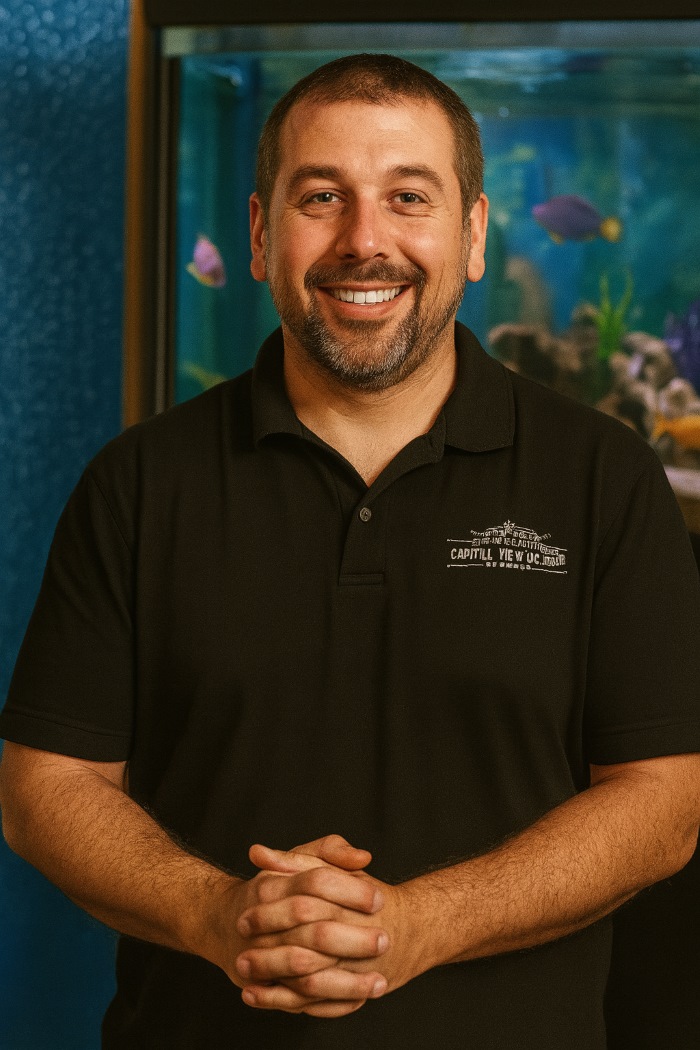
Howard set up his first 10-gallon planted tank in 2003 and lost half of it within six weeks. Two decades and more than forty aquariums later, he writes the guides he wished he had then: clear numbers, the reasons behind them, and what actually goes wrong in home tanks.