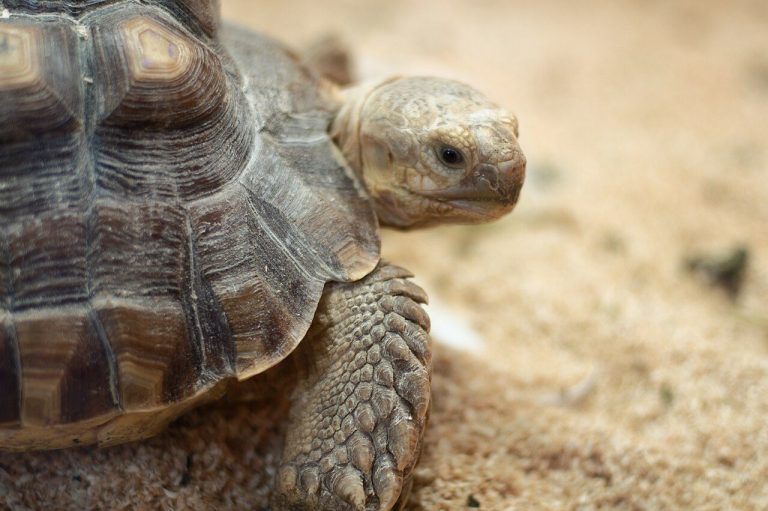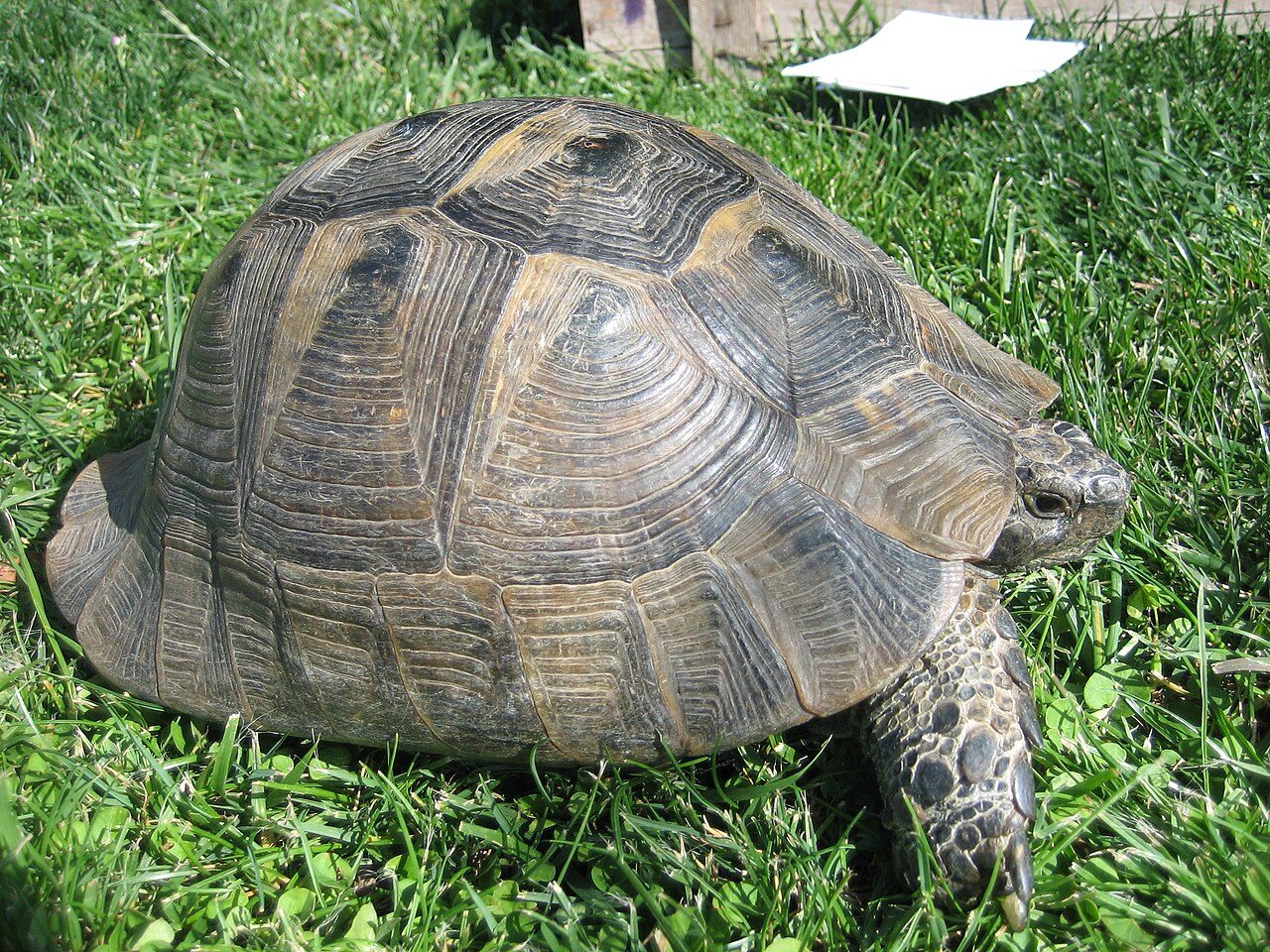
Baby Tortoise Diet Guide – What to Feed and How Often
A balanced baby tortoise diet primarily consists of a variety of fresh, leafy greens, safe weeds, and edible flowers, supplemented with calcium and vitamin D3, making sure high fiber, low protein, and minimal fruit for best growth and shell development.
Welcome to “Successful Aquarium”. While our name suggests a focus on aquatic life, the principles of creating healthy environments extend to all pets we care for. Today, we’re diving into a key topic for any tortoise enthusiast: the baby tortoise diet guide. Setting up your little shelled friend with the right nutritional foundation from day one is the top priority for their long-term health and vivid shell development.
In my years of animal husbandry, I’ve learned that diet is often the most overlooked yet impactful aspect of pet care. For baby tortoises, whose bodies are rapidly growing and developing, every meal counts. This guide will walk you through everything you need to know to ensure your young tortoise receives the best possible nutrition.
At a glance: Tortoises (general) (Family Testudinidae)
- Temperature
- Basking 90–100°F by species
- Adult size
- 4–30 in shell by species
- Enclosure
- Large enclosure or outdoor pen
- Group size
- Usually alone
- Temperament
- Docile
- Diet
- Herbivores: weeds, grasses, leafy greens
- Lifespan
- 40–100+ years
Keeper’s tip: UVB lighting and calcium are essential for healthy shell growth in indoor tortoises.
Understanding the Fundamentals of a Baby Tortoise Diet
Getting the diet right for a baby tortoise isn’t just about what they eat, but also about understanding their natural biology. Tortoises are primarily herbivorous, meaning their bodies are designed to process plant matter. Their digestive systems are long and efficient at extracting nutrients from high-fiber, low-energy foods.
Herbivorous Nature and Nutritional Needs
Baby tortoises require a diet rich in fiber, moderate in calcium, and low in protein and fats. This mimics what they would naturally forage in the wild. A high-fiber diet is essential for proper gut motility and preventing common digestive issues.
The calcium-to-phosphorus ratio is incredibly important for bone and shell development. Ideally, this ratio should be at least 2:1 (calcium:phosphorus). An imbalance can lead to severe health problems like metabolic bone disease.
The Importance of Fiber and Hydration
Fiber is the cornerstone of a healthy tortoise diet. It aids digestion, helps maintain a healthy gut flora, and helps keep regular bowel movements. Without sufficient fiber, baby tortoises can suffer from impaction or other gastrointestinal issues.
Hydration is just as vital as food, especially for young tortoises. They often get a significant portion of their water intake from the moisture in their food. Beyond that, regular soaks are essential for hydration and encourage defecation. I’ve found that a good soak before feeding can often stimulate their appetite. For more on keeping your tortoise well-hydrated, you might find our guide on bathing your tortoise helpful.
Pro Tip: Always offer fresh water in a shallow, stable dish that your baby tortoise can easily access and exit. Change the water daily, or more often if it becomes soiled. Dehydration can quickly become a serious issue for young tortoises.
The Core Components of a Healthy Baby Tortoise Diet
Building a varied and nutritious diet for your baby tortoise revolves around selecting the right types of greens, weeds, and occasional supplements. Think of their plate as a miniature salad bar, always fresh and diverse.
Daily Staples: Leafy Greens and Weeds
The bulk of your baby tortoise’s diet should consist of a wide variety of safe, nutritious leafy greens and weeds. Aim for a mix to keep a broad spectrum of nutrients.
Excellent choices include:
- Dandelion greens and flowers (help they are pesticide-free)
- Chicory
- Endive
- Escargole
- Mustard greens
- Turnip greens
- Collard greens
- Romaine lettuce (in moderation, as it’s mostly water)
- Various safe broadleaf weeds like plantain, clover, and hawkbit
When I first started keeping tortoises, I made the mistake of feeding too much iceberg lettuce because it was convenient. I quickly learned that while it provides hydration, it offers very little nutritional value. Variety is the spice of life for these little guys!
Occasional Treats: Flowers and Certain Vegetables
While the majority of the diet should be greens and weeds, certain flowers and vegetables can be offered sparingly as treats. These add variety and sometimes extra nutrients or enrichment.
Safe flowers include:
- Hibiscus (leaves and flowers)
- Rose petals (pesticide-free)
- Nasturtium
- Pansies
Limited vegetables like grated squash (butternut, acorn) or pumpkin can be given very occasionally, perhaps once or twice a month. These should never form a significant part of the daily diet.
Important Supplements: Calcium and Vitamin D3
Even with a perfectly balanced diet, baby tortoises need supplementation, especially calcium and vitamin D3. Calcium is vital for shell and bone health, while Vitamin D3 is necessary for calcium absorption.
- Calcium Powder: Dust your tortoise’s food with a pure calcium carbonate supplement (without D3) several times a week.
- Calcium with D3: Use a calcium supplement with D3 once or twice a week, particularly if your tortoise does not have access to unfiltered natural sunlight or proper UVB lighting. If they have good UVB exposure, pure calcium is often sufficient for daily dusting.
Always follow the manufacturer’s recommendations for dosage. Over-supplementation can be just as harmful as under-supplementation.
Common Mistake: Many new keepers forget or overuse supplements. Keep you’re providing appropriate UVB lighting (e.g., a 10.0 UVB bulb for desert species) as this is key for natural D3 synthesis. Supplements are supplements, not substitutes for proper husbandry.
Crafting a Balanced Feeding Schedule and Portions
Consistency and appropriate portion sizes are key to a healthy feeding regimen for your baby tortoise. Overfeeding can lead to rapid, unhealthy growth and shell deformities, while underfeeding can stunt growth.
How Often and How Much to Feed
Baby tortoises, especially hatchlings, have active metabolisms and should be fed daily. Some keepers even offer food twice a day to help they get enough nutrients during their rapid growth phase.
The amount of food to offer should be roughly what your tortoise can consume in 15-30 minutes. Remove any uneaten food after this time to prevent spoilage and discourage pest attraction. It’s better to offer slightly less and replenish if needed than to leave large amounts of food to wilt.
The Role of Variety and Rotation
Rotating the types of greens and weeds you offer is essential. Don’t feed the same single green every day. A varied diet ensures a wider range of vitamins, minerals, and trace elements. For example, some greens are higher in oxalic acid, which can bind calcium, so rotating them minimizes any potential negative effects.
In my experience, a diverse diet also keeps them more interested in their food. When I first started, I noticed that my young baby sulcata care involved trying to get him to eat everything. Rotating his greens kept him engaged and ensured he didn’t become a picky eater for just one type of food.
Foods to Strictly Avoid for Baby Tortoises
Just as important as knowing what to feed is knowing what not to feed. Certain foods can be toxic, lead to nutritional imbalances, or cause severe digestive issues.
High-Protein and High-Sugar Items
- Meat/Dairy: Tortoises are herbivores. Feeding them any form of meat, dairy, or commercial dog/cat food is completely inappropriate and can cause kidney failure, liver problems, and rapid, unhealthy growth leading to pyramiding (a bumpy, uneven shell).
- Fruits: While some adult tortoises might occasionally nibble on a small piece of fruit, it should be avoided entirely for baby tortoises. Fruits are high in sugar, which can lead to digestive upset, parasites, and fermentation in their gut.
- Processed Foods: Anything processed, baked, or containing artificial ingredients is a definite no-go.
Toxic Plants and Harmful Pesticides
Many common house and garden plants are toxic to tortoises. Always research a plant before offering it to your tortoise.
Common toxic plants include:
- Avocado
- Rhubarb leaves
- Buttercups
- Foxglove
- Azaleas
- Lily of the Valley
Always make sure any weeds or greens collected from your garden are free from pesticides, herbicides, or other chemicals. This often means growing your own or sourcing from trusted organic suppliers. Even roadside weeds can be contaminated by car exhaust.
Baby Tortoise Feeding Guide at a Glance
To help you visualize a balanced diet, here’s a quick overview of food categories and their recommended frequency for baby tortoises.
| Food Category | Examples | Frequency | Notes |
|---|---|---|---|
| Staple Greens/Weeds | Dandelion, Chicory, Endive, Collard Greens, Plantain, Clover | Daily | Forms the bulk of the diet. Offer a wide variety. |
| Occasional Greens/Vegetables | Romaine Lettuce, Turnip Greens, Kale (small amounts), Grated Squash | 2-3 times per week (greens), 1-2 times per month (veg) | Use in moderation due to water content or oxalic acid. |
| Safe Flowers | Hibiscus, Rose Petals, Nasturtium, Pansies | A few times per week | Adds variety and enrichment. Keep pesticide-free. |
| Calcium Supplement (pure) | 100% Calcium Carbonate Powder | 3-4 times per week | Lightly dust food. Vital for shell/bone health. |
| Calcium + D3 Supplement | Calcium with Vitamin D3 Powder | 1-2 times per week | If UVB is provided, reduce frequency. Consult vet if unsure. |
| Water | Fresh, dechlorinated water | Always available | In a shallow dish. Change daily. |
Common Challenges and Expert Tips for Baby Tortoise Feeding
Even with the best intentions, you might encounter some hurdles when feeding your baby tortoise. Knowing how to address them can save a lot of stress.
Dealing with Finicky Eaters
Sometimes, a baby tortoise might seem uninterested in their food. This can be frustrating, but don’t despair.
- Variety is Key: Offer a mix of familiar and new greens. They might just be bored.
- Hydration Check: Help your tortoise is well-hydrated. Dehydrated tortoises often lose their appetite. Regular soaks are vital.
- Temperature and Humidity: Check your enclosure’s temperature and humidity. If it’s too cold, they won’t digest properly and won’t want to eat. If it’s too dry, it can stress them.
- Environmental Stress: A new environment, lack of hiding spots, or too much activity can make a baby tortoise feel insecure and refuse food. Provide a calm, secure habitat.
- Health Check: If refusal to eat persists, consult a reptile veterinarian. It could be a sign of illness. For more detailed insights into appetite loss, our article on a tortoise not eating might offer further guidance.
Preventing Pyramiding and Metabolic Bone Disease
These are two of the most common and serious health issues stemming from improper diet and husbandry.
- Pyramiding: This is an abnormal, bumpy growth of the shell scutes, making the shell look like pyramids. It’s often caused by too much protein, too little fiber, or insufficient humidity. Ensure your diet is high in fiber and low in protein, and maintain appropriate humidity levels in the enclosure.
- Metabolic Bone Disease (MBD): This condition results from an imbalance in calcium, phosphorus, or a lack of vitamin D3 (and thus, proper UVB exposure). It leads to soft bones and shell, deformities, and can be fatal. Make sure regular calcium supplementation and proper UVB lighting.
Consistent, high-quality care, encompassing both diet and environment, is the best defense against these preventable conditions.
A few common questions About Baby Tortoise Diet
Can baby tortoises eat fruit?
No, baby tortoises should absolutely not eat fruit. Fruits are too high in sugar, which can lead to digestive issues, fermentation in the gut, and can promote harmful gut flora. Stick to greens, weeds, and safe flowers.
How do I know if my baby tortoise is getting enough to eat?
Monitor their growth rate and overall activity level. A healthy baby tortoise should be active, have clear eyes, and their shell should feel firm and smooth, not soft or bumpy. If they are consistently finishing their food and maintaining good body condition without becoming overweight, they are likely getting enough. Always observe their droppings too; they should be firm and well-formed.
What about commercial tortoise pellets?
Commercial tortoise pellets can be a supplementary food source, but they should never form the primary part of a baby tortoise’s diet. Many pellets contain higher protein levels than ideal, and they often lack the important fiber found in fresh greens. If you choose to use them, offer them very sparingly, perhaps once a week, and always alongside a fresh, varied diet of greens. Look for pellets specifically formulated for herbivorous tortoises and check their protein and fiber content carefully.
In short
Providing a proper baby tortoise diet guide is one of the most important responsibilities of a tortoise owner. If you focus on a high-fiber, low-protein diet rich in diverse greens and weeds, supplemented correctly with calcium and vitamin D3, you are laying the groundwork for a long, healthy, and happy life for your shelled companion. Consistency, variety, and keen observation are your best tools in ensuring your baby tortoise stays healthy. Always strive to mimic their natural diet and environment as closely as possible. Happy tort-keeping.

- 2003First tank
- 20+Years keeping
- 40+Tanks kept
- 0Sponsored picks
Howard set up his first 10-gallon planted tank in 2003 and lost half of it within six weeks. Two decades and more than forty aquariums later, he writes the guides he wished he had then: clear numbers, the reasons behind them, and what actually goes wrong in home tanks.