Safe Food for Tortoises – Healthy Diet Guide
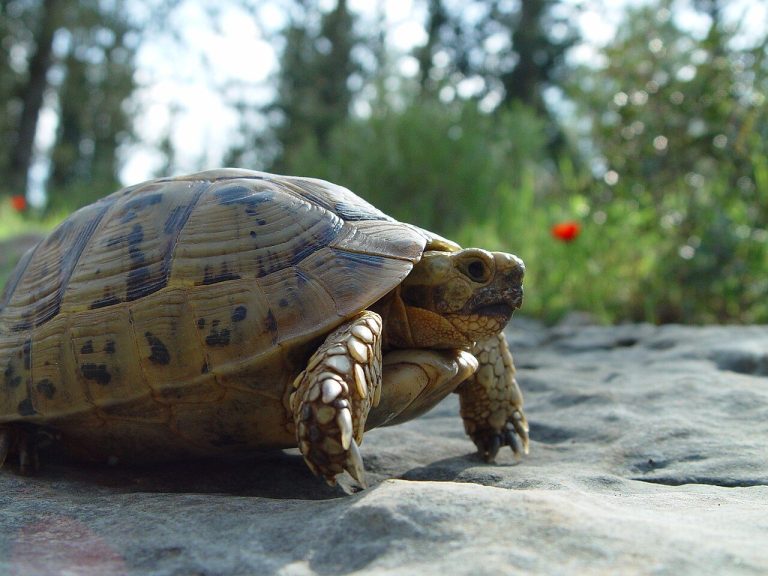
Safe food for tortoises includes high-fiber weeds like dandelions, leafy greens such as endive and collards, edible flowers, and species-appropriate grasses rich in calcium and low in phosphorus.
Feeding a pet reptile requires a keen understanding of its natural evolutionary ecology. Providing safe food for tortoises means balancing dietary fiber, trace minerals, and low-protein greens to support smooth shell development and optimal gut motility.
Many new keepers mistakenly treat their tortoises like herbivorous lizards or mammals, offering grocery store iceberg lettuce and sugary fruits. In reality, an improper diet is the leading cause of debilitating shell deformities and kidney disease in captive reptiles.
Understanding dietary physiology ensures your shelled companion thrives for decades. Whether you are managing grazing giants or smaller Mediterranean species, establishing a balanced nutrition plan is essential for long-term health.
Nutritional Foundations: The High-Fiber, Low-Protein Rule
Wild tortoises thrive in arid and semi-arid environments where food is tough, coarse, and fibrous. Their hindgut fermentation systems rely on high microbial activity to break down dense cellulose into volatile fatty acids for energy.
Diets rich in fast-digesting sugars or excessive plant proteins disrupt this delicate bacterial microbiome. Rapid microbial die-off produces digestive bloat, loose stools, and potential enteritis.
High dietary protein forces the kidneys to process excess uric acid, triggering dangerous gout and kidney damage. It also stimulates unnaturally fast growth rates, leading directly to irreversible shell pyramiding.
Pro Tip: Evaluate the tactile texture of your tortoise forage before offering it. If the greens feel crispy, fibrous, and stemmy rather than watery and tender, they will support optimal intestinal motility and beak wear.
Core Safe Food for Tortoises: Weeds and Leafy Greens
Wild, pesticide-free weeds represent the gold standard of daily tortoise nutrition. Broadleaf weeds mimic the exact mineral density and macro-fiber profiles found across wild native ranges.
Grocery store leafy greens can substitute during winter months, but keepers must select items with favorable calcium-to-phosphorus ratios. Aim for a ratio of at least 2:1 to prevent metabolic bone problems.
Nutritious Weeds and Garden Forage
- Dandelion (Taraxacum officinale): Entire plant is edible, delivering exceptionally high calcium, Vitamin A, and beneficial dietary roughage.
- Broadleaf and Ribwort Plantain (Plantago major / lanceolata): Fibrous, hearty weeds packed with gut-stabilizing mucilage and bioavailable minerals.
- Clover (Trifolium repens): Excellent occasional forage rich in fiber, though feeding should remain moderate due to higher protein content.
- Sow Thistle (Sonchus spp.): Highly palatable wild staple with low oxalates and an ideal mineral profile for daily consumption.
- Chickweed (Stellaria media): Tender seasonal weed suitable as an appetizing additive to a daily feeding mix.
Store-Bought Leafy Staples
- Endive and Escarole: Robust, bitter greens that offer consistent fiber and minimal oxalic interference with calcium absorption.
- Collard Greens: Dense, calcium-rich broadleaf vegetable best served finely shredded alongside lighter meadow grasses.
- Turnip and Mustard Greens: Peppery greens with favorable calcium margins, ideal when rotated into weekly feeding schedules.
- Spring Mix (without spinach): Convenient base mix consisting of baby lettuces, radicchio, and frisée for daily enrichment.
+————————————————————-+ | DIETARY SPECTRUM | | Wild Weeds > Bitter Cultivated Greens > Commercial Hay | | (Low Oxalates, High Calcium) | +————————————————————-+
Edible Flowers and Natural Enrichment
Adding edible blooms stimulates sensory engagement, encouraging natural foraging behaviors in captive enclosures. Tortoises possess well-developed color vision and naturally seek out bright red, yellow, and orange blossoms.
Flowers also introduce beneficial flavonoids and trace phytonutrients not found in standard greens. Ensure all floral items originate from certified organic, chemical-free gardens rather than commercial florist shops.
Common garden staples like hibiscus and nasturtium double as safe habitat landscaping. Planting safe vegetation gives tortoises constant access to fresh roughage while enriching their outdoor pens.
Safe Blooms:
- Hibiscus (leaves and flowers)
- Dandelion blossoms
- Calendula (pot marigold)
- Nasturtium
- Pansies and Violets
- Rose petals
Species Diets: Grazers vs. Mediterranean vs. Tropical
Dietary rules cannot be applied universally across every tortoise genus. Different species evolved distinct digestive anatomies suited to their specific native environments.
When handling arid giants, keeping a Sulcata tortoise requires an almost entirely grass-based feeding plan to avoid rapid overgrowth. In contrast, forest-dwelling species require higher moisture retention and accept limited fruit.
| Tortoise Category | Representative Species | Primary Dietary Composition | Fruit Tolerance |
|---|---|---|---|
| Grassland Grazers | Sulcata, Leopard, Marginated | 75% Coarse grasses/hay, 20% weeds, 5% succulents | Strictly 0% (causes severe gut fermentation) |
| Mediterranean Scrub | Hermann’s, Greek, Russian | 85% Broadleaf weeds/herbs, 10% greens, 5% flowers | Less than 2% as an extremely rare treat |
| Tropical Forest | Red-footed, Yellow-footed, Elongated | 50% Leaves/greens, 25% safe fruits, 20% safe veggies, 5% low-fat animal protein | Up to 25% of regular diet rotation |
Maintaining proper environmental moisture and nutrition also protects the structural integrity of tortoise skin and scales from dehydration and nutritional deficiencies. Inspect your animal’s dermal scutes and carapace regularly to identify metabolic issues early.
A sluggish tortoise may be battling intestinal distress from inappropriate food choices. If lethargy accompanies an altered appetite, evaluate their thermal gradient alongside the normal sleeping habits of tortoises to rule out environmental stress.
Foods to Strictly Avoid: Toxicity and Anti-Nutrients
Many backyard plants and common kitchen scraps present immediate, lethal toxicity to chelonians. Other foods act as chronic anti-nutrients that slowly bind essential dietary minerals over time.
Oxalates are among the most widespread anti-nutritional compounds found in grocery produce. When soluble oxalates bind to systemic calcium, they form insoluble calcium oxalate crystals that starve the body of usable calcium.
| Food / Plant Item | Toxicity Classification | Primary Physiological Hazard |
|---|---|---|
| Avocado | Deadly Poison | Persin content causes fatal myocardial necrosis and pulmonary collapse. |
| Rhubarb | Extremely High Toxicity | Severe oxalic acid concentrations cause immediate caustic gut burning and acute kidney failure. |
| Spinach & Swiss Chard | Chronic Anti-Nutrient | Excessive oxalates inhibit calcium uptake, fostering bladder stones and metabolic bone disease. |
| Brassicas (Cabbage, Kale) | Goitrogenic Risk | High glucosinolates suppress thyroid iodine absorption, causing lethargy and goiter. |
| Citrus Fruits | Gastrointestinal Irritant | High citric acid severely destabilizes gut flora, resulting in diarrhea and cramping. |
| Dog/Cat Food | Severe Chronic Danger | Excessive animal protein accelerates kidney failure, severe pyramiding, and premature death. |
Common Mistake: Never assume a weed is harmless simply because garden pests eat it without issue. Keep your enclosure free of nightshades, buttercups, azaleas, and foxgloves, which can kill a tortoise with minimal ingestion.
Calcium, Hydration, and Supplementation
Even an optimal balance of safe food for tortoises requires targeted supplementation to thrive in captive environments. Indoor lighting rarely matches natural midday solar radiation, making bioavailable calcium and Vitamin D3 synthesis critical.
Dust fresh meals lightly with pure calcium carbonate powder two to three times per week. If your tortoise lacks direct access to unfiltered, natural sunlight, use a balanced calcium supplement containing Vitamin D3 once weekly.
Always keep a clean cuttlebone inside the enclosure at all times. Tortoises self-regulate their mineral intake by gnawing on cuttlebone, which naturally grinds down overgrown beaks.
Hydration plays an equally pivotal role in mineral processing and bladder stone prevention. Always maintain a shallow, heavy water dish that allows the tortoise to soak comfortably without the danger of drowning.
Weekly Supplementation Rhythm:
- Monday: Pure Calcium Carbonate dusting
- Wednesday: Pure Calcium Carbonate dusting
- Friday: Multivitamin or Calcium + D3 dusting
- Daily: Constant access to clean water dish and cuttlebone
Foraging Safely: Avoiding Environmental Toxins
Harvesting wild forage is an economical and biologically ideal way to feed captive tortoises. However, foraging carries significant environmental hazards if conducted without clear safety protocols.
Never collect roadside weeds exposed to heavy vehicle exhaust, automotive fluid runoff, or road salts. These contaminants accumulate in plant tissue and lead to chronic toxicity in reptiles.
Avoid city parks, commercial turf fields, and manicured suburban lawns that receive chemical herbicide or pesticide applications. Ingesting freshly sprayed lawn chemicals can cause acute, irreversible neurotoxicity in tortoises.
Wash all collected forage thoroughly under cold running water before offering it. This removes surface dirt, lingering vehicle particulates, and wild parasites that could infect your pet’s digestive tract.
Commercial Pellets: Pros, Cons, and Safe Use
Commercial tortoise diets have improved significantly over recent decades, with several fiber-rich formulas now available. Brands formulated primarily from Timothy hay, alfalfa, and oat hulls offer convenient emergency options.
However, pellets should never replace diverse, leafy vegetation and fibrous meadow grasses. Pelleted feeds often lack dynamic sensory textures and can cause accelerated growth if fed without strict portion control.
Soak dry commercial pellets in lukewarm water for five to ten minutes before serving. This softens the compressed fiber into a palatable mash and provides bonus hydration for the tortoise.
Use commercial diets primarily as an enrichment tool or occasional winter backup. Limiting pelleted feed to roughly 10% to 15% of the total monthly diet maintains optimal metabolic health.
Frequently Asked Questions About Tortoise Diets
Can tortoises eat cucumber?
Cucumber is non-toxic and provides excellent hydration during hot weather, but it contains almost no nutritional value. Offer it sparingly as an occasional hydration treat rather than a meal staple.
How often should I feed an adult tortoise?
Adult Mediterranean and grazing tortoises thrive when fed once daily, five to six days per week. Incorporating one to two fasting days per week closely mimics natural feast-and-famine cycles and prevents captive obesity.
What should I do if my tortoise refuses to eat hay?
Chop high-fiber Timothy or meadow hay into fine fragments and mix it thoroughly with moist, favored greens like dandelion or endive. The wet greens will coat the hay, forcing the tortoise to consume beneficial roughage gradually.
Is iceberg lettuce dangerous for tortoises?
Iceberg lettuce is not chemically toxic, but it provides virtually no dietary fiber, vitamins, or minerals. Feeding it regularly fills the gut with water, displacing nutrient-dense foods and causing persistent loose stools.
Can grazing tortoises eat tomatoes?
Tomatoes should not be offered to grazing species like Sulcata or Russian tortoises due to their high acidity and high simple sugar content. Tropical species such as Red-footed tortoises may consume small pieces occasionally as an enrichment treat.
Final Thoughts on Safe Tortoise Feeding
Providing safe food for tortoises requires patience, botanical awareness, and a commitment to replicating natural ecological diets. Focusing on high-fiber, mineral-dense forage while avoiding fast-digesting sugars sets your reptile up for a long, healthy life.
Observe your tortoise’s shell development, body weight, and droppings continuously to assess their nutritional progress. A varied rotation of pesticide-free weeds, safe bitter greens, and clean hydration ensures your companion thrives for decades to come.

- 2003First tank
- 20+Years keeping
- 40+Tanks kept
- 0Sponsored picks
Howard set up his first 10-gallon planted tank in 2003 and lost half of it within six weeks. Two decades and more than forty aquariums later, he writes the guides he wished he had then: clear numbers, the reasons behind them, and what actually goes wrong in home tanks.