DIY Terrarium with Succulents – Simple
To build a thriving diy terrarium with succulents, use an open glass container paired with a layered drainage system of gravel, activated charcoal, and fast-draining cactus soil. Place it in bright light and water sparingly only when dry.
Aquarium hobbyists and indoor plant lovers frequently seek creative ways to display nature inside the home. Repurposing unused glass tanks, bowls, or rimless aquariums into vibrant xeriscape displays offers a deeply satisfying project.
Building a diy terrarium with succulents allows you to combine hardscaping skills like rock positioning and soil layering without needing complex filtration systems.
By understanding proper soil physics, drainage principles, and lighting needs, you can transform a simple glass container into a stunning, low-maintenance desert miniature.
Why Aquarists and Plant Enthusiasts Love Succulent Terrariums
Aquarium keepers already possess a deep appreciation for aquascaping, substrate layering, and micro-ecosystem management. Shifting from an underwater aquascape to an arid land arrangement utilizes many of the same creative principles.
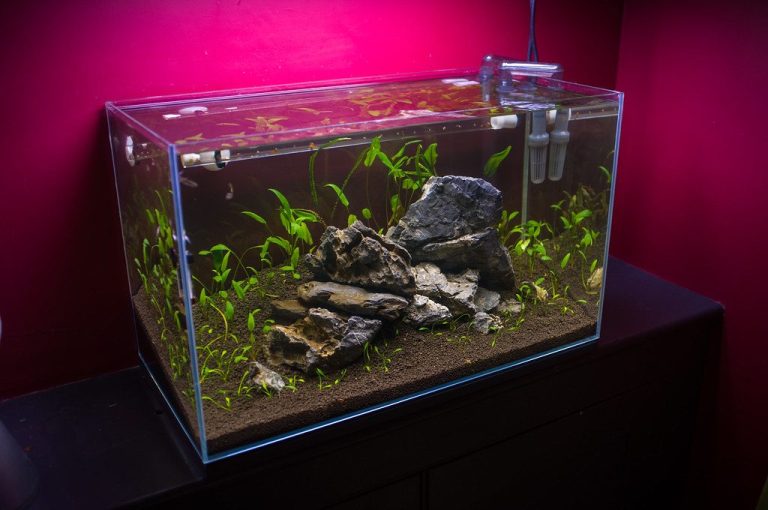
An empty glass tank sitting in storage makes a perfect candidate for a desert arrangement. Rather than letting unused nano aquariums gather dust, turning them into desert planters gives them a stylish second life.
Succulents offer striking architectural shapes, varied colors, and thick fleshy leaves that store moisture naturally. They bring an elegant, peaceful aesthetic to home offices, living rooms, and fish rooms alike.
Open vs. Closed Containers for Succulents
One of the most critical decisions in terrarium design is choosing between an open or closed environment. Succulents originate from dry, arid environments with plentiful airflow and low atmospheric humidity.
Placing succulents inside a sealed jar creates moisture traps that lead to rapid fungal rot and stem breakdown. For arid species, an open container design is absolutely essential to ensure constant air circulation and rapid evaporation.
Broad glass bowls, shallow dishes, and top-opening aquariums provide the ideal air exchange required by desert plants. The open top lets excess soil moisture escape into the room air rather than condensing on glass walls.
Common Mistake: Never plant succulents in a closed jar or sealed container. Succulents lack biological defenses against high humidity, causing root structures to liquefy within days.
Substrate Layering and Proper Drainage Physics
In a traditional potted plant, excess water flows out through bottom drainage holes. Standard glass aquariums and decorative glass bowls do not have bottom holes, making precise substrate layering critical.
Without drainage holes, water sits at the bottom of the vessel. If succulent roots remain submerged in stagnant moisture, anaerobic bacteria bloom and cause severe root rot.
To prevent root saturation, you must build a functional false bottom consisting of four distinct layers. This structure holds perched water tables safely below the root zone while maintaining substrate oxygen levels.
The Essential Four-Layer Substrate System
- Drainage Layer (False Bottom): A 1- to 2-inch layer of pea gravel, coarse stones, or expanded clay pebbles acts as a reservoir for excess water.
- Activated Charcoal Filter: A thin 0.5-inch layer of horticultural charcoal sits directly above the gravel. Charcoal absorbs organic impurities and prevents foul odors.
- Substrate Barrier: A thin mesh screen or fiberglass mesh separates the charcoal from the soil. This prevents fine soil particles from sifting down and clogging the drainage gravel.
- Fast-Draining Succulent Soil: A 2- to 3-inch layer of coarse succulent mix containing perlite, pumice, and grit provides structural support and root aeration.
Choosing the Right Succulent Species
Not all succulents share the same light requirements and growth speeds. Choosing compatible species ensures that your arrangement remains balanced and healthy over time without overcrowding.
Compact species with slow growth rates are best suited for glass containers. Plants like Haworthia, Echeveria, Gasteria, and slow-growing Crassula varieties adapt well to confined hardscapes.
Avoid mixing fast-growing succulents or high-moisture tropical plants in the same container. Mixing tropical species with desert succulents creates conflicting watering requirements that eventually destroy the ecosystem.
Succulent Compatibility and Requirements Matrix
| Plant Species | Light Requirement | Growth Rate | Terrarium Suitability |
|---|---|---|---|
| Haworthia fasciata (Zebra Plant) | Bright, Indirect Light | Slow | Excellent (Tolerates lower light) |
| Echeveria elegans | Direct to Bright Light | Moderate | Great (Requires strong light) |
| Gasteria flow | Moderate to Bright Light | Very Slow | Outstanding for small setups |
| Crassula ovata (Jade Plant) | Bright, Direct Light | Moderate | Good (Requires light pruning) |
| Sedum rubrotinctum (Jelly Bean) | Bright Direct Light | Fast | Moderate (Needs occasional trimming) |
DIY Terrarium with Succulents: Step-by-Step Guide
Building a desert landscape requires systematic preparation and clean assembly techniques. If you are converting an old fish tank into a terrarium, ensure the glass is completely sanitized and dried beforehand.
Follow these simple, practical steps to build a healthy layout from the bottom up.
Step 1: Clean and Prepare the Vessel
Wash your glass vessel thoroughly using clean water and a non-abrasive sponge. Avoid harsh chemical cleaners or soap residues that could leach into dry soil later.
Step 2: Lay the False Bottom Reservoir
Pour 1.5 to 2 inches of pea gravel, coarse stone, or clay pebbles into the base. Level the gravel evenly to form a clear visual baseline against the front glass.
Step 3: Add Activated Charcoal and Mesh Layer
Spread a thin layer of horticultural charcoal over the drainage stones. Place your cut fiberglass mesh screen directly over the charcoal to prevent soil migration.
Step 4: Add Coarse Soil Blend
Add 2 to 3 inches of pre-mixed cactus or succulent soil over the mesh barrier. Sculpt gentle slopes or elevated mounds to create depth and visual interest across your hardscape.
Step 5: Position Hardscape Rocks and Driftwood
Place inert rocks, dragon stone, slate, or small pieces of aquarium driftwood into the soil. Arranging larger decorative stones first creates natural anchors for your plants.
Step 6: Plant the Succulents Carefully
Unpot your chosen plants and gently tease away excess nursery soil from root balls. Dig small planting pockets in the substrate, insert the roots, and press the surrounding soil down firmly.
Step 7: Apply Top Dressing
Finish the surface with a clean layer of decorative gravel, coarse river sand, or small lava rock chips. Top dressing locks soil in place, covers exposed root collars, and gives the layout a polished finish.
Pro Tip: Allow newly planted succulents to sit for 3 to 5 days before applying any water. This rest period gives damaged root tips time to callous over, dramatically reducing the risk of fungal root rot upon first watering.
Long-Term Maintenance, Lighting, and Watering
Maintaining a dry arrangement is significantly easier than managing underwater water chemistry, but consistency remains vital. Understanding light intensity and managing terrarium watering keeps your plants vibrant and compact over time.
Light Exposure Requirements
Succulents require bright light to perform photosynthesis effectively and maintain compact rosette shapes. Insufficient light causes plants to stretch unnaturally toward light sources, becoming leggy and pale.
Position your diy terrarium with succulents near a sunny south-facing or west-facing window sill. If natural daylight is limited, install a full-spectrum LED aquarium grow light mounted directly above the vessel for 10 to 12 hours daily.
Watering Technique and Frequency
The single biggest mistake in dry displays is overwatering. Because glass vessels lack bottom drainage holes, water application must be calculated and deliberate.
Always allow the soil substrate to dry out 100% between waterings. Use a long-nosed precision squeeze bottle or pipette to apply small amounts of water directly at the plant bases, avoiding leaf rosettes.
Never flood the tank or allow standing water to rise above the bottom gravel layer. During winter dormant periods, reduce watering frequency to once every 4 to 6 weeks.
Frequently Asked Questions About Succulent Terrariums
Can you build a diy terrarium with succulents in a small jar?
Yes, provided the jar remains completely open at the top. However, wider glass bowls or aquariums offer better air exchange and more room for proper substrate layering than narrow glass jars.
How often should I water my succulent terrarium?
Water only when the substrate is completely dry down to the barrier layer, typically every 2 to 4 weeks during warm months and even less in winter. Always check soil dryness before adding water.
Why are the bottom leaves of my succulents turning soft and translucent?
Soft, yellow, or translucent leaves are classic symptoms of overwatering and root damage. Immediately stop watering, increase light exposure, and allow the substrate to dry completely.
Do I need special grow lights for a glass succulent layout?
If placed directly on a brightly sunlit window sill, natural sunlight is sufficient. For darker indoor rooms, a standard 6500K LED aquarium light provides excellent illumination for healthy growth.
Final Thoughts on Your Succulent Terrarium
Creating a custom succulent landscape combines the artistry of hardscaping with low-maintenance indoor gardening. By respecting the drainage requirements and light demands of desert plants, your glass display will thrive for years with minimal effort.
Gather your materials, choose a sturdy glass container, and assemble a striking desert ecosystem that enhances your living space or aquarium room today.
- 2003First tank
- 20+Years keeping
- 40+Tanks kept
- 0Sponsored picks
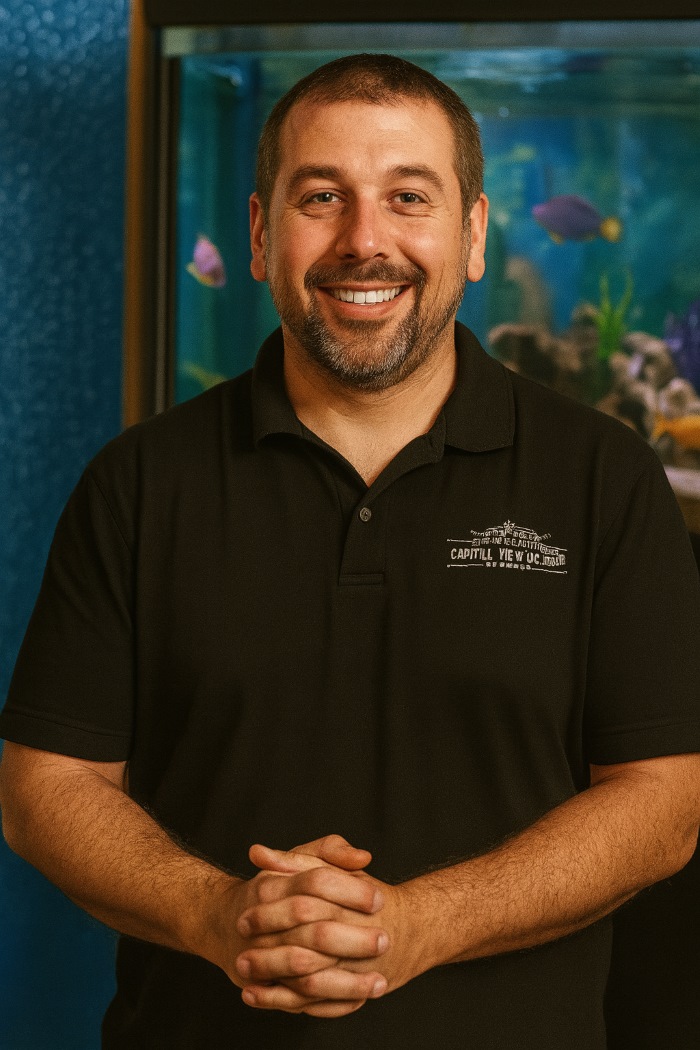
Howard set up his first 10-gallon planted tank in 2003 and lost half of it within six weeks. Two decades and more than forty aquariums later, he writes the guides he wished he had then: clear numbers, the reasons behind them, and what actually goes wrong in home tanks.