Par Vs Dli Aquarium Plants – Which One to Choose
PAR measures the instantaneous intensity of light hitting your plants, while DLI tracks the total amount of light delivered over an entire photoperiod, offering a more complete picture of energy availability.
When I first started keeping high-tech planted tanks, I was obsessed with PAR (Photosynthetically Active Radiation). I bought a dedicated sensor, measured every corner of my tank, and tried to hit the “perfect” number.
However, I quickly realized that chasing a single PAR value often led to algae outbreaks or plant stagnation. The reality is that lighting is not just about how bright the bulb is; it is about the total energy your plants receive throughout the day.
Understanding the relationship between PAR and DLI (Daily Light Integral) is the secret to moving from a struggling hobbyist to a pro-level aquascaper.
Why PAR Alone Is Only Half the Story
PAR is a measurement of light intensity at a specific moment in time. Think of it like the speed of a car on a speedometer; it tells you how fast you are moving right now, but not how far you will travel by the end of the day.
For aquarium plants, PAR tells us if the light is intense enough to trigger photosynthesis. If the PAR is too low, your plants will suffer from stunted growth or poor coloration.
If the PAR is too high, you risk photoinhibition, where the plant literally “shuts down” to protect itself from light damage. This is often when you start seeing algae bloom mitigation strategies become a daily necessity.
What Is DLI and Why Does It Matter?
Daily Light Integral (DLI) is the total quantity of light delivered to your aquarium plants over the course of your daily lighting schedule. It is essentially the “sum” of all the PAR values recorded every second your lights are turned on.
In my experience, DLI is a far more accurate metric for long-term health. You can have a lower PAR intensity and still achieve incredible results by extending your photoperiod, or use high PAR for a shorter window.
| Metric | What It Measures | Primary Benefit |
|---|---|---|
| PAR | Instantaneous light intensity | Helps set light height and dimmer levels |
| DLI | Total daily light accumulation | Determines overall plant metabolic capacity |
Pro Tip: Don’t try to max out your light intensity just because your plants are “high-light” demanding. Increasing your light duration (DLI) is often safer and less likely to trigger an algae bloom than cranking up your intensity (PAR) to dangerous levels.
Balancing Light with Nutrient Uptake
You cannot talk about light without addressing the fuel your plants need to process that energy. When you increase your DLI, you effectively increase the plant’s metabolic rate.
If your plants are photosynthesizing faster, they are consuming aquatic plant macronutrient levels at a much higher velocity. This is exactly where many hobbyists fail. They upgrade their lights, ignore their fertilization schedule, and then wonder why their plants are melting.
If you are running a high-intensity setup, you must make sure your CO2 injection system is stable and that your aquatic plant iron chelate levels are maintained. Without the proper building blocks, high light is just a recipe for disaster.
How to Optimize Your Lighting Strategy
To successfully manage your aquarium, you should aim for a balanced approach. Start by determining the light requirements of your specific species.
- Assess your plants: Are you keeping easy crypts or demanding carpet plants?
- Set the ceiling: Use your PAR meter to make sure your peak intensity isn’t causing light saturation.
- Adjust the duration: Use your timer to tweak the DLI until you see consistent, healthy growth without excessive algae.
- Monitor indicators: If you notice your internode spacing is becoming too large, your plants are likely “reaching” for more light.
Common Mistake: A common error I see is hobbyists changing both their light intensity and their fertilizer dosing simultaneously. Always change only one variable at a time so you can clearly identify what is causing a change in your plant growth.
Troubleshooting Growth Issues
When things go wrong, it is rarely just one factor. If you see yellowing leaves, check your nitrogen levels before you blame the light.
If you see green spot algae on your glass, your DLI might be too high for your current nutrient levels. Always check your parameters before reaching for the light dimmer.
- Stunted new growth: Often a sign of micronutrient deficiency rather than light.
- Rapid algae growth: Usually an indication of an imbalance between light and CO2/nutrients.
- Leggy, thin stems: A clear sign that the plant is struggling to find enough photons.
Keeper’s notes
- Remove melting or dead leaves promptly so they do not break down into ammonia.
- Yellowing older leaves often point to nitrogen or potassium shortage; yellowing new leaves usually point to iron.
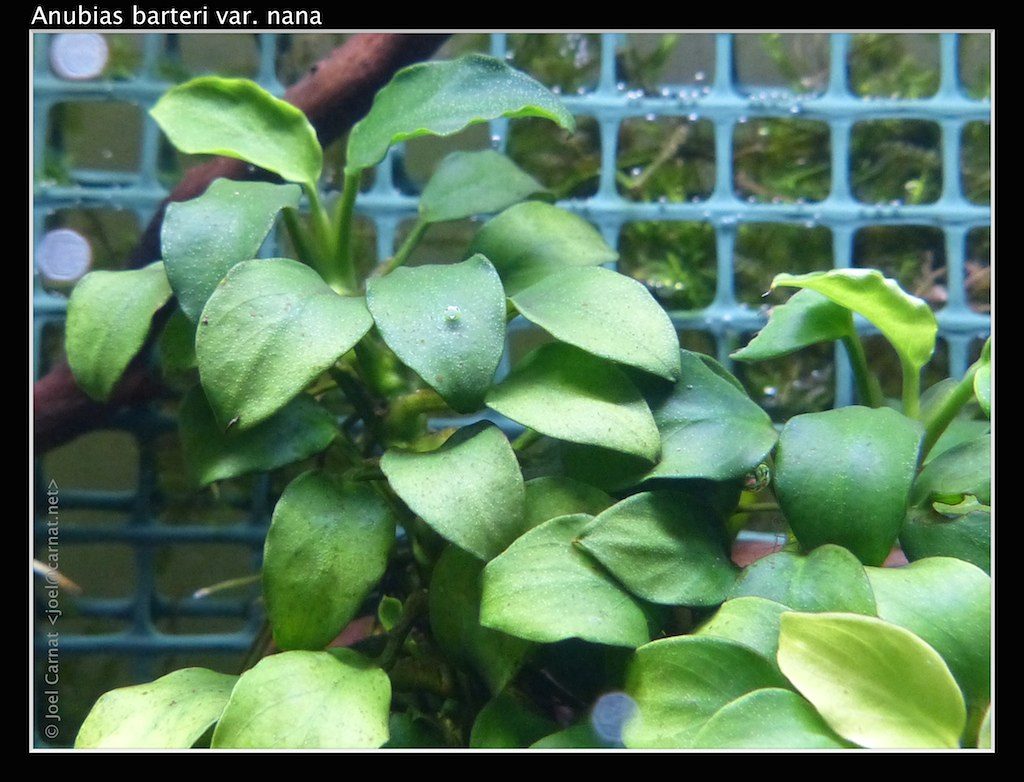
- Epiphytes like java fern and anubias should be tied to rock or wood; burying the rhizome rots it.
- Most planted tanks do well with 6–8 hours of light per day; longer photoperiods usually just grow more algae.
FAQ
Can I achieve professional results without a PAR meter?
Yes, absolutely. While a PAR meter is a fantastic tool, you can use the “observation method.” Watch your plants for signs of health or stress and adjust your light intensity and duration in small increments.
Does the LED aquarium lighting spectrum affect DLI?
DLI measures the quantity of light, but the spectrum determines the quality. Plants utilize specific wavelengths for chlorophyll a fluorescence, so help your light provides a full spectrum regardless of the intensity.
How many hours should my lights stay on?
For most tanks, an 8-hour photoperiod is a perfect starting point. If you need more energy for your plants, try adding a “ramp up” and “ramp down” period rather than extending the full-intensity duration.
Putting it all together
Understanding the nuance of PAR vs DLI aquarium plants is the difference between a tank that barely survives and one that does well. Treat your light as a powerful tool that requires balance, not just raw power.
If you focus on the total daily energy delivery, you will bring out the potential for leafy, colorful growth. Keep your CO2 stable, monitor your nutrient levels, and watch your aquatic garden flourish.

- 2003First tank
- 20+Years keeping
- 40+Tanks kept
- 0Sponsored picks
Howard set up his first 10-gallon planted tank in 2003 and lost half of it within six weeks. Two decades and more than forty aquariums later, he writes the guides he wished he had then: clear numbers, the reasons behind them, and what actually goes wrong in home tanks.