How to Start a Fish Tank – Step-by-Step Setup
To start a fish tank, select a suitable aquarium size, install essential filtration and heating equipment, add substrate and water, and fully execute the nitrogen cycle before introducing your first fish.
Learning how to start a fish tank properly is the single most important step toward creating a thriving aquatic ecosystem. A successful setup requires patience, the right equipment, and an understanding of biological filtration.
Many beginners rush into buying fish on the same day they set up their aquarium. Taking a methodical approach prevents common setup pitfalls and protects your new aquatic pets from avoidable stress.
By following a clear, science-backed setup process, you can build a stable environment that keeps fish, shrimp, and live plants healthy for years to come.
Choosing the Right Aquarium Size and Location
Selecting the right tank size is one of the critical first decisions in your aquarium journey. While small desktop aquariums seem convenient, larger volumes of water offer far greater water parameter stability.
A 20-gallon aquarium is widely considered the ideal entry size for beginners. Larger water volumes dilute natural bio-waste, giving you a wider buffer against sudden spikes in toxins.
Location Placement Guidelines:
- Away from direct sunlight (prevents runaway algae blooms)
- Near a grounded electrical outlet
- On a level, load-bearing stand
- Away from heating or cooling vents
Always place your aquarium on a sturdy, level surface that can support significant weight. A fully decorated glass aquarium filled with water weighs approximately 10 pounds per gallon.
Avoid placing your tank near direct sunlight, drafty windows, or air conditioning vents. Direct sunlight rapidly triggers excessive algae growth and causes unwanted temperature fluctuations.
Essential Equipment Needed for Your Setup
Setting up a reliable life-support system requires a few fundamental pieces of hardware. Equipping your tank correctly from day one prevents major headaches down the road.
Your primary filtration unit keeps the water clean and oxygenated. A quality hang-on-back filter is an excellent, easy-to-maintain choice for small to medium freshwater tanks.
You will also need a submersible heater to maintain a consistent water temperature for tropical species. A digital thermometer allows you to verify that your heater is operating correctly at a glance.
| Equipment Type | Primary Purpose | Recommended Target |
|---|---|---|
| Filter Unit | Mechanical, chemical, biological filtration | 4x-6x tank volume turnover per hour |
| Submersible Heater | Temperature stability | 3-5 watts per gallon of water |
| Substrate | Beneficial bacteria housing & plant roots | 1.5 to 2 inches depth |
| Water Conditioner | Neutralizes chlorine and heavy metals | Dose per tap water volume |
Substrate selection depends on whether you intend to keep live plants or artificial decor. Inert gravel or sand works well for basic community setups, while nutrient-rich aqua-soil is ideal for planted aquariums.
Lighting should match your livestock and plant goals. Standard LED aquarium lights provide excellent illumination while keeping energy consumption and heat generation minimal.
Step-by-Step Guide on How to Start a Fish Tank
Setting up the physical structure of your aquarium requires careful preparation. Rinse your gravel or substrate thoroughly under tap water before placing it into the aquarium to remove dust particles.
Add your substrate slowly to avoid scratching the bottom glass pane. Slope the substrate gently from back to front to create visual depth and make maintenance easier.
Position your hardscape elements, such as natural driftwood or rocks, securely within the substrate. Ensure heavy rocks rest stably so they cannot tip over against the glass walls.
Pro Tip: Place a small dinner plate on top of the substrate before filling the tank with tap water. Pouring water directly onto the plate prevents the stream from stirring up substrate and clouding the water.
Fill the aquarium with room-temperature tap water. Immediately add a high-quality water conditioner containing sodium thiosulfate to neutralize toxic chlorine and chloramines present in tap water.
Install your filter, heater, and thermometer. Fill the filter reservoir with water to prime it before plugging it into a surge-protected electrical outlet.
Allow the heater to sit submerged for 15 to 30 minutes before switching it on. This gives the internal thermostat time to adjust to the water temperature, preventing glass heater casing fractures.
Mastering the Biological Nitrogen Cycle
Understanding the nitrogen cycle is mandatory when mastering how to start a fish tank successfully. This natural biological process converts toxic fish waste into harmless compounds.
Fish produce waste in the form of toxic ammonia. Beneficial nitrifying bacteria known as Nitrosomonas break down this ammonia into harmful nitrites.
Next, a second group of beneficial bacteria called Nitrospira converts nitrites into nitrates. Nitrates are much less toxic and are removed during regular water changes.
Common Mistake: Adding live fish to an uncycled aquarium leads to rapid ammonia accumulation. This dangerous condition, known as new tank syndrome, causes severe gill damage and fish loss.
To start fishless cycling, add dosing liquid ammonium chloride to simulate fish waste without risking animal life. Monitor parameter progress using a liquid freshwater test kit.
You can learn more about adding pure ammonia to speed up the establishment of beneficial bacteria colonies safely.
Maintaining adequate carbonate hardness (KH) during cycling prevents sudden pH crashes that can stall or kill growing bacterial colonies.
Once your water test shows zero ammonia and zero nitrite within 24 hours of adding an ammonia source, you can safely confirm your tank is cycled and ready for inhabitants.
Adding Aquascaping and Aquatic Plants
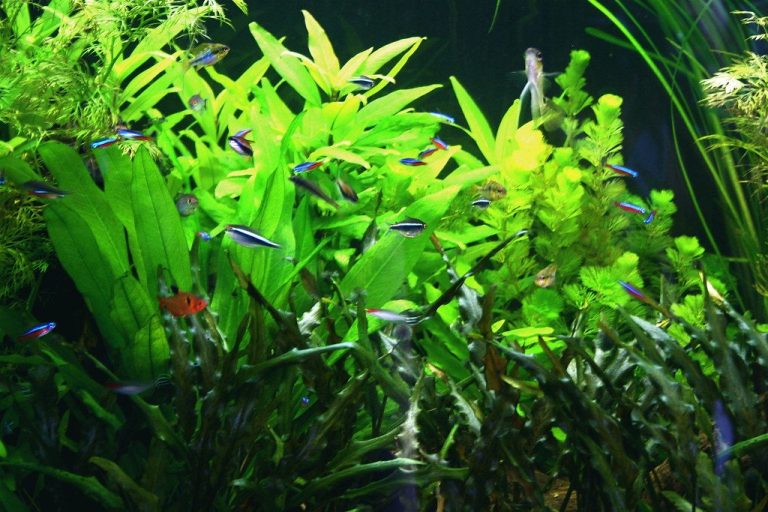
Live aquatic plants enhance the visual appeal of your aquarium while absorbing nitrates and releasing oxygen. They also offer natural shelter that reduces stress for incoming aquatic species.
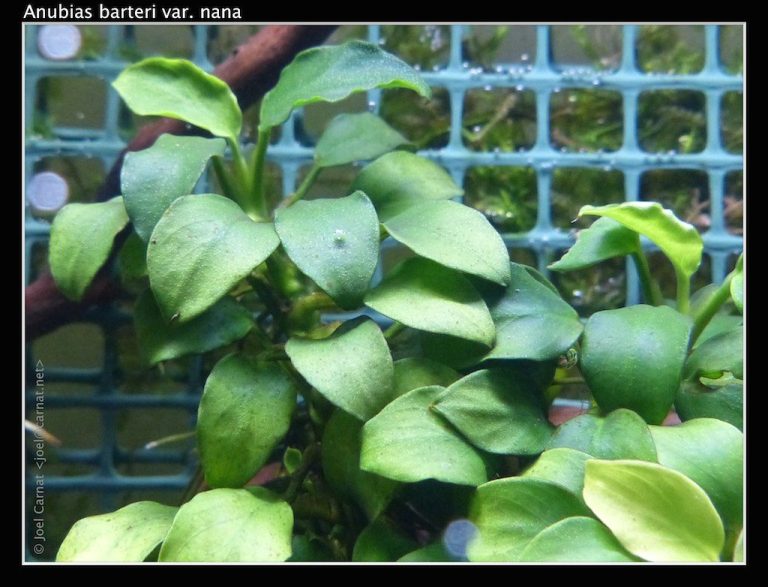
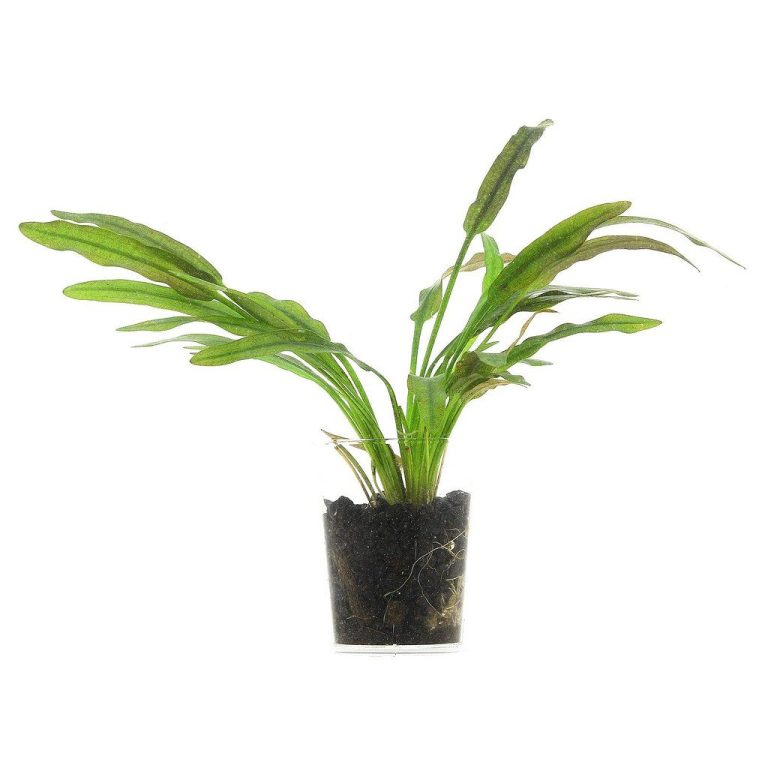
Beginner-friendly plants like Microsorum pteropus (Java Fern) and Anubias do not require high lighting or complex carbon dioxide injection systems. Attach these epiphytes to driftwood or rock surfaces using thread or aquarium-safe glue.
If you choose rooted stem plants, pay attention to the substrate’s cation-exchange capacity. High-CEC substrates store essential plant nutrients and deliver them efficiently to root systems.
Plant Placement Strategy:
- Foreground: Low-growing carpet plants or small crypts
- Midground: Anubias, Java Fern on hardscape, small rocks
- Background: Tall stem plants, Vallisneria, Amazon Swords
Maintain an 8-hour daily lighting cycle using an electrical timer. Consistent lighting prevents unwanted algae outbreaks while supporting healthy plant photosynthesis.
Trim decaying leaves promptly so they do not break down into additional bio-waste and throw off your water chemistry balance.
Stocking and Acclimating Your First Inhabitants
Once your biological filter is fully established, you can begin adding fish. Introduce inhabitants gradually over several weeks to give your bacterial colonies time to adjust to the increasing bio-load.
Choose compatible community species with similar water temperature and pH requirements. Avoid overstocking your tank, as overcrowding leads to territorial aggression and poor water quality.
Before releasing new arrivals into your display tank, always perform a gentle, 30-minute drip or float acclimation process. Rapid changes in water temperature and chemistry can cause lethal osmotic shock.
Follow a structured proper acclimation process to ensure your new pets adjust smoothly to their environment.
Watch new fish closely for signs of common pathogens such as Ichthyophthirius multifiliis (commonly known as Ich or white spot disease). Catching health issues early ensures swift, successful treatment.
Feed your fish sparingly during their first few days in the tank. Uneaten food quickly degrades water quality and triggers unnecessary ammonia spikes.
Essential Maintenance Schedule for New Aquariums
Consistent routine care keeps water parameters stable and prevents equipment failure. Establish a regular schedule for testing water quality, changing water, and cleaning filter media.
Perform weekly water tests for ammonia, nitrite, nitrate, and pH. Keeping detailed records helps you identify subtle shifts before they develop into serious biological problems.
| Frequency | Maintenance Task | Best Practice |
|---|---|---|
| Daily | Check temperature & feed fish | Ensure all equipment is powered and working |
| Weekly | 15-25% water change & vacuum substrate | Treat replacement water with conditioner first |
| Monthly | Rinse mechanical filter media | Rinse media only in removed tank water, never tap water |
Never wash biological filter media under untreated tap water. Chlorinated tap water instantly kills beneficial bacterial colonies, destroying your nitrogen cycle.
Rinse mechanical sponges gently inside a bucket of removed aquarium water during your routine water change.
Frequently Asked Questions About Starting a Fish Tank
How long should I let a new fish tank sit before adding fish?
You should allow a new fish tank to cycle for 2 to 6 weeks before adding fish. The tank is only ready when test kits confirm zero ammonia and zero nitrite after an ammonia source is processed.
Can I set up a fish tank and add fish on the same day?
No, adding fish on the first day puts them at severe risk from uncycled bio-waste spikes. Always execute a complete fishless cycle first to build beneficial nitrifying bacteria populations.
What is the easiest fish to start a new tank with?
Hardy species like Zebra Danios, Harlequin Rasboras, or Cherry Barbs make excellent choices once your nitrogen cycle is fully established. Avoid fragile species during the first few months of a new aquarium setup.
Why is my new fish tank water cloudy?
Cloudy water in a new setup is usually caused by a harmless bacterial bloom standard in developing tanks. It typically clears up on its own within a few days without heavy chemical intervention.
How often should I change the water in a new fish tank?
Perform a 15% to 25% water change weekly once the tank is stocked. During the initial fishless cycling phase, water changes are usually only needed if nitrate levels grow excessively high.
Final Thoughts on Starting Your New Aquarium
Knowing how to start a fish tank correctly is an incredibly rewarding accomplishment for any aquatic hobbyist. Taking the time to establish proper biological filtration ensures long-term success and healthy, vibrant inhabitants.
Focus on patience, consistent water parameter monitoring, and gradual stocking during your tank’s early weeks. A solid foundation prevents common setup hurdles and sets you up for years of enjoyable aquarium keeping.
Maintain your routine care schedule, monitor your livestock closely, and enjoy watching your underwater ecosystem thrive.
- 2003First tank
- 20+Years keeping
- 40+Tanks kept
- 0Sponsored picks
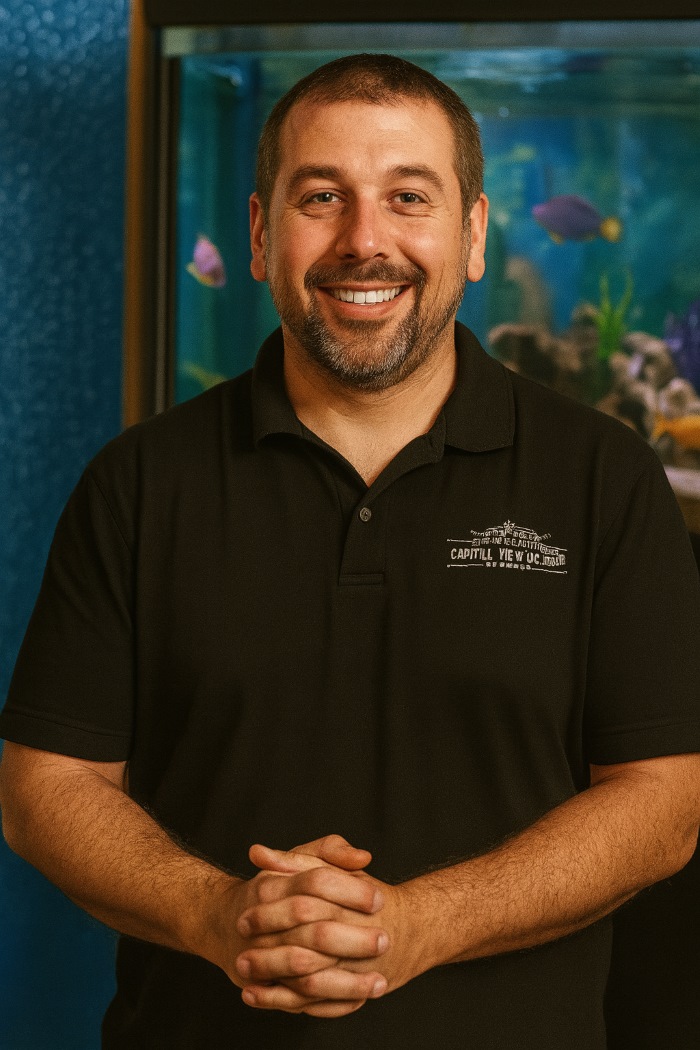
Howard set up his first 10-gallon planted tank in 2003 and lost half of it within six weeks. Two decades and more than forty aquariums later, he writes the guides he wished he had then: clear numbers, the reasons behind them, and what actually goes wrong in home tanks.