Succulent Terrarium Ideas – Gorgeous Indoor Designs
The best succulent terrarium ideas use wide, open-top glass containers layered with gritty substrate, horticultural charcoal, and hardy species like Haworthia and Echeveria to ensure excellent airflow and prevent moisture buildup.
Crafting a desert landscape inside glass brings an earthy elegance to any desk, living room, or display shelf. Exploring creative succulent terrarium ideas allows you to combine artistic hardscaping with drought-tolerant botanical specimens that thrive with minimal attention.
Many plant lovers and aquarists discover that the principles of negative space, stone selection, and depth work just as brilliantly in glass bowls as they do in underwater layouts. By pairing the right containers with well-draining mineral mixes, you can produce living art that stays vibrant for years.
The Vital Rule: Open vs. Closed Environments for Succulents
Before diving into aesthetics, every creator must respect the biology of arid vegetation. Traditional tropical mossariums rely on sealed humidity, but succulents completely deteriorate if trapped in enclosed moisture. If you are weighing an open or closed terrarium, desert varieties unequivocally demand continuous airflow.
Succulents utilize a unique photosynthetic pathway known as Crassulacean Acid Metabolism, opening their stomata at night to absorb carbon dioxide while minimizing water loss. In a sealed environment, elevated relative humidity halts this gas exchange and encourages fungal spores to attack the foliage. Uncirculated moisture quickly turns thick leaves translucent, causing systemic tissue collapse within days.
Always choose vessels with generous openings, such as tilted globes, wide bowls, or geometric prism planters with unglazed facets. Wide tops let excess water evaporate rapidly and ensure constant ambient air circulation around fleshy stems. Keeping things open is the foundation of long-term botanical vitality.
Creative Succulent Terrarium Ideas and Visual Themes
Designing an arid display gives you the freedom to mimic natural geological formations or create striking, minimalist focal points. The following design concepts blend visual drama with the cultural requirements of drought-adapted plants.
Modern Geometric Glass Planters
Faceted polyhedrons, copper-soldered prisms, and hanging glass dodecahedrons introduce clean architectural lines to your plant collection. These planters frame rosettes like organic jewels, providing high visual impact while taking up very little horizontal desk space.
Arrange a central specimen like Echeveria agavoides surrounded by fine crushed granite to mirror contemporary interior styling. The sharp metallic edges create a stunning contrast against the curved, plump leaves of your succulents.
Desert Canyon Aquascape with Mini Hardscape
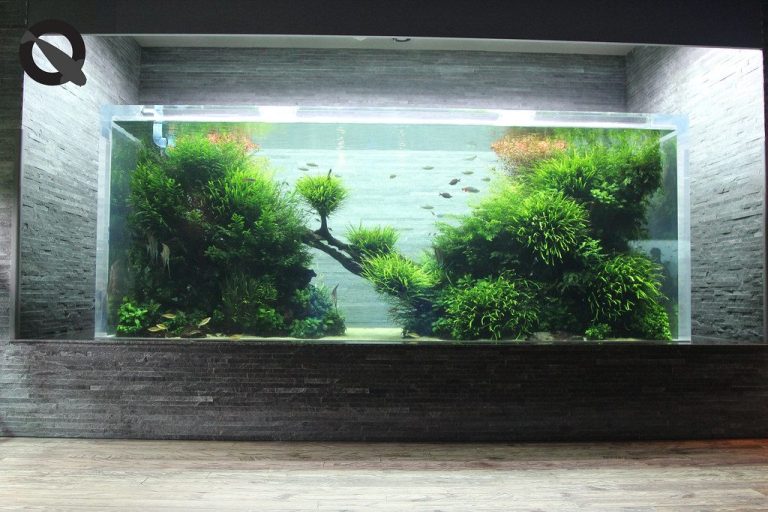
Aquascapers excel at working with natural stone, and that exact skill translates seamlessly into arid micro-gardens. You can easily repurpose an idle aquarium or nano cube into a succulent terrarium in an old fish tank by incorporating miniature canyon structures.
Position jagged mini landscape rock, seiryu stone, or petrified wood vertically to establish dramatic elevation changes and crevices. Tuck trailing varieties like string of buttons into the rock fissures so they spill down the stone face like hanging canyon vegetation.
Open Hanging Glass Orb Arrangements
Suspended glass bubbles create the illusion of floating botanical worlds while keeping plants safe from pets and crowded tabletops. These curved vessels catch ambient light beautifully and work well in staggered clusters of three at varying ceiling heights.
Select compact species with shallow root systems, anchoring them into a lean gritty substrate. Add small pieces of twisted cholla wood or tiny slate chips to lock the root balls securely against the curved bottom of the globe.
Pro Tip: When building in curved or hanging glass, use long aquarium tweezers to place plants without bruising their delicate leaves or rubbing away the powdery farina coating that protects them from intense light.
Layered Sand and Soil Contrast Displays
Because glass planters expose the subterranean profile, you can transform your growing media into a visual centerpiece. Alternating bands of light quartz sand, black volcanic granules, and red clay create a geological core-sample appearance.
Keep your layers sharp by using an acrylic funnel and a small spoon to deposit each mineral grade precisely along the container walls. Beyond looking artistic, these varied mineral layers maintain the void spaces necessary for root respiration.
Miniature Fairy Gardens and Whimsical Escapes
If you enjoy storytelling in miniature, blend tiny succulent varieties with architectural accents like cobblestone paths, tiny bridges, and rustic benches. Ground-hugging sedums make convincing miniature bushes, while an upright Crassula ovata mimics a full-grown desert tree.
Define dedicated trails using crushed crushed pumice or fine gravel to separate plant groupings and give the eye a journey across the scape. Incorporating whimsical figurines or tiny lanterns adds warmth and charm that captivates both children and adults.
Best Succulent Species Pairings for Glass Containers
Not all succulents share the same light demands, growth rates, or moisture appetites. Selecting varieties that share uniform cultural habits prevents faster-growing cultivars from choking out slower, more delicate companions.
| Succulent Variety | Growth Habit | Light Needs | Ideal Placement |
|---|---|---|---|
| Haworthiopsis attenuata (Zebra Plant) | Compact, upright rosettes | Moderate, indirect | Midground or shaded edges |
| Echeveria agavoides | Solitary, symmetrical rosette | High, direct light | Central focal point |
| Crassula ovata ‘Gollum’ | Shrub-like, tubular foliage | Bright, direct to indirect | Background height anchor |
| Sedum burrito (Baby Burro’s Tail) | Pendant, trailing stems | Bright, direct morning sun | Foreground edges and rims |
| Gasteria species (Ox Tongue) | Thick, slow-growing straps | Low to moderate, indirect | Deep vessel understory |
For broader indoor inspiration using non-desert plants alongside your succulent builds, look over these open terrarium designs to compare humidity and plant requirements.
Pairing shade-tolerant Haworthia with sun-hungry Echeveria in the same small glass vessel often leads to etiolation or sunburn on one of the plants. Group your selections thoughtfully based on the light exposure where the glass container will permanently sit.
Substrate Engineering: The Faux-Drainage Foundation
Because decorative glass containers lack drainage holes, the soil composition determines whether your plants flourish or drown. Ordinary potting soil stays saturated for far too long, starving roots of oxygen and leading to basal rot.
Begin your build with a false bottom composed of Lightweight Expanded Clay Aggregate or coarse pumice. This bottom reservoir collects accidental excess moisture, ensuring wet sediment does not remain in contact with delicate root crowns.
+———————————————+ | Top Dressing: Coarse Quartz Sand or Gravel | +———————————————+ | Rooting Zone: Akadama, Pumice, Calcined Clay| +———————————————+ | Barrier: Fine Mesh Screen or Filter Fiber | +———————————————+ | Cleansing Layer: Horticultural Charcoal | +———————————————+ | Drainage Base: Expanded Clay Aggregate/LECA | +———————————————+
Directly above your drainage stone, scatter a thin layer of Horticultural charcoal. Activated carbon and untreated charcoal absorb foul stagnant gases, suppress bacterial proliferation, and maintain internal hygiene inside closed-bottom glass.
For the active planting profile, prioritize materials with high Substrate porosity like Akadama, Calcined clay, and crushed lava rock. These porous fired minerals deliver an optimal Cation exchange capacity while allowing air to reach every root fiber.
Common Mistake: Never use fine beach sand or unwashed play sand in your mix. Fine sand packs tightly like concrete when wet, eliminating vital oxygen channels and suffocating the root system.
Top dress the completed soil surface with clean pea gravel or coarse granite grit. This top layer keeps the lightweight substrate from washing around during watering and shields tender lower leaves from touching moist soil directly.
Lighting and Watering Strategy for Drainless Vessels
Proper illumination is what keeps succulents compact, colorful, and resilient. Without adequate intensity, the stems stretch out toward the nearest window, ruining the tight geometry of your design.
Position your glassware where it receives bright, indirect sunshine, or supplement it with a dedicated LED growing fixture. Ensure your light emits sufficient Photosynthetically Active Radiation within the 400 to 700 nanometer spectrum to drive steady chlorophyll production without overheating the glass.
Watering closed-bottom glass containers requires a calculated, conservative touch. Rather than soaking the substrate, deliver water directly to the base of each plant using a precision wash bottle or syringe.
Moisten only the lower root region and check that liquid does not accumulate higher than halfway up your drainage layer. Allow the entire substrate column to dry out completely before you apply moisture again.
Frequently Asked Questions About Succulent Terrariums
How often should I water a succulent terrarium with no drainage?
Watering frequency depends on ambient room temperature, but generally, a small drink every two to three weeks during active growth is plenty. In the winter months, reduce this schedule to once every four to five weeks. Always check the glass sides to make sure no lingering condensation remains before adding more water.
Can I mix succulents and tropical moss in the same glass container?
No, moss and succulents require opposing environmental conditions to survive. Moss demands high humidity and constant moisture, which inevitably causes stem and root rot in desert succulents. If you want a green ground cover, use drought-tolerant stonecrop sedums instead of true mosses.
What should I do if my succulents start stretching out?
Stretching, or etiolation, is an unmistakable sign that your plants are starved for light. Move the container closer to a bright window or place a daylight-spectrum LED lamp directly over the vessel for ten to twelve hours daily. You can safely prune leggy stems and replant the healthy top rosettes back into the substrate once callused.
Which succulent terrarium ideas are easiest for beginners to maintain?
An open, shallow glass bowl planted with Haworthia and Gasteria is the most forgiving option for a beginner. These species handle lower indoor light levels gracefully and recover quickly if you accidentally forget to water them for a month.
How do I prevent mold from growing inside the glassware?
Prevent mold by maintaining good room ventilation, utilizing an open-top container, and never overwatering your substrate. Incorporating horticultural charcoal directly above your drainage layer also binds organic acids and keeps the lower reaches of the enclosure clean.
Final Thoughts on Designing Succulent Terrariums
Creating unique desert scenes inside glass provides an engaging, low-maintenance creative outlet for plant lovers of every experience level. By pairing architectural containers with well-aerated mineral substrates, you eliminate the risk of stagnation and root rot.
Start by choosing healthy, compatible plants that match the lighting conditions of your home or workspace. With good air circulation and mindful watering, your miniature arid landscape will remain a vibrant, sculptural focal point for years to come.

- 2003First tank
- 20+Years keeping
- 40+Tanks kept
- 0Sponsored picks
Howard set up his first 10-gallon planted tank in 2003 and lost half of it within six weeks. Two decades and more than forty aquariums later, he writes the guides he wished he had then: clear numbers, the reasons behind them, and what actually goes wrong in home tanks.