Succulent Terrarium Care – Keep Plants Thriving
Mastering succulent terrarium care requires an open glass vessel, gritty fast-draining substrate, direct light, and minimal water. Keep roots dry, provide adequate ventilation, and irrigate sparingly only when leaves show slight wrinkling.
Succulents are adapted to arid, sun-drenched environments where rainfall is scarce and soils dry out rapidly. Growing these drought-tolerant botanicals inside glass containers presents a unique set of horticultural challenges.
When you understand the physiological needs of desert flora, maintaining a miniature arid landscape becomes completely straightforward. Let us explore how to build and maintain a desert display that stays vibrant for years.
The Foundations of Succulent Terrarium Care
Proper succulent terrarium care starts with recreating the desert conditions these plants evolved to withstand. Unlike tropical foliage that flourishes in high humidity, succulents quickly succumb to fungal pathogens when confined in damp air.
Many hobbyists ask whether to build an open or closed terrarium setup for these specimens. Succulents should never be sealed in closed glass; they demand maximum airflow to prevent atmospheric moisture accumulation.
Without drainage holes at the base of the glass, excess moisture has nowhere to go. Balancing your soil mix, lighting, and watering cadence ensures your plants develop compact, colorful rosettes rather than weak root systems.
Common Mistake: Never plant succulents in a narrow-necked bottle or closed cloche. The lack of air exchange traps ambient humidity, creating an incubator for bacterial leaf collapse within days.
Choosing the Best Vessel and Layout
The architecture of your glass vessel dictates how air circulates across the leaves. Wide-mouth glass bowls, shallow dishes, geometric open prisms, and angled containers perform best.
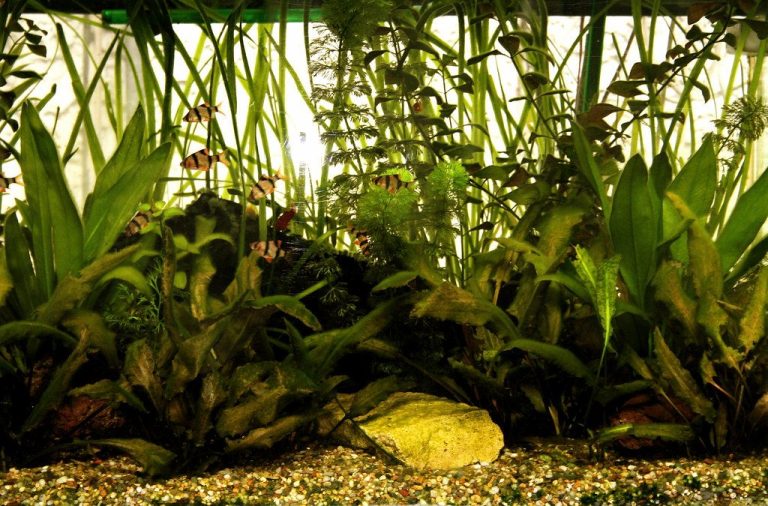
If you enjoy upcycling aquatic equipment, repurposing an old fish tank makes a stunning, well-ventilated succulent display. Rectangular aquariums offer ample surface area for heat dispersion and light penetration.
Select vessels with an opening at least as wide as the planting base. This wide geometry prevents localized humidity pockets from forming around the lower foliage.
Soil Chemistry and False Bottom Drainage
Standard potting soil holds far too much moisture for containerized succulents. Instead, you must build an engineered substrate profile that simulates coarse desert scree.
Constructing a False Bottom
A false bottom drainage layer is critical when using a vessel lacking drainage holes. Use rinsed pea gravel, lava rock, or pumice as the foundation layer at the bottom of the container.
Add a thin layer of horticultural charcoal over the gravel base. The horticultural charcoal acts as an odor filter and helps suppress anaerobic bacteria that produce sour odors in stagnant runoff.
Place a porous mesh barrier directly over the rocks before adding soil. This prevents fine soil particles from settling into the drainage basin and creating a muddy trap.
Managing the Perched Water Table
In unglazed containers without bottom holes, water pools at the boundary between different substrate textures. This phenomenon is known as a perched water table, where saturation threatens vulnerable root systems.
To elevate root zones above this saturation zone, create an airy soil blend. Mix one part organic cactus soil with two parts inorganic grit, such as coarse perlite, pumice, and calcined clay.
Calcined clay absorbs small amounts of moisture while maintaining structural pore space around tender taproots. Coarse perlite prevents compaction, ensuring delicate root tips receive ample oxygen even immediately after watering.
Pro Tip: Use an uncolored plastic pipette or long-spout squeeze bottle to deliver water directly to the soil surface. Never spray succulent leaves with a mister, as trapped droplets invite powdery mildew and rot.
Optimal Lighting and Photoperiods
Succulents require intense illumination to maintain their natural pigmentation and compact geometry. Without adequate photons, plants enter etiolation, stretching toward the light source and producing pale, fragile stems.
Natural sunlight from a south- or west-facing window is ideal for most species. However, glass acts as a magnifying lens; placing clear glass directly under blazing midday sun can scorch tender foliage.
If your indoor living space lacks intense natural light, supplement with full-spectrum LED fixtures. Position the fixture 8 to 12 inches above the top of the vessel for 12 to 14 hours each day.
Best Succulent Species for Glass Containers
Not every succulent thrives in an enclosed desktop ecosystem. Choose compact, slow-growing varieties that share identical water and light requirements.
Haworthia and Gasteria
Haworthia attenuata (commonly known as the Zebra Plant) is an exceptional choice for glass displays. Its stiff, white-tubercled leaves tolerate moderate ambient light levels better than most desert species.
Gasteria varieties also excel in restricted spaces due to their slow growth rate and modest root systems. Both genera require less intense light than rosetting outdoor species.
Compact Echeveria Varieties
Echeveria elegans provides stunning rosette geometry and silvery-blue hues. It does, however, require high light levels to avoid stretching out of form.
Always group plants that share identical lighting thresholds. Mixing low-light haworthias with sun-demanding echeverias forces one plant to suffer while the other thrives.
| Species | Light Requirement | Growth Rate | Terrarium Suitability |
|---|---|---|---|
| Haworthia attenuata | Bright, indirect light | Very Slow | Excellent (Tolerant of moderate indoor light) |
| Echeveria elegans | High direct light / Strong LED | Moderate | Good (Requires supplemental lighting) |
| Crassula ovata (Jade) | Direct to bright indirect | Moderate | Moderate (Quickly outgrows small glass bowls) |
| Sedum morganianum | Bright, filtered sun | Moderate to fast | Poor (Fragile leaves drop during maintenance) |
Mastering the Watering Routine
Improper hydration is the primary reason glass succulent arrangements fail. Understanding how much water a terrarium needs keeps your setup healthy for the long term.
Succulents utilize Crassulacean acid metabolism, opening their stomata at night to absorb carbon dioxide and minimize daytime transpirational water loss. Because their water consumption is exceptionally conservative, the soil must dry completely between waterings.
Apply small amounts of water directly at the base of each stem every two to four weeks. During winter dormancy, reduce watering frequency to once every five to six weeks.
Observe the lower leaves to gauge when your plants need water. Firm, plump leaves indicate full hydration, while slight wrinkles or subtle softness signal that it is time to moisten the roots.
| Symptom | Probable Cause | Corrective Action |
|---|---|---|
| Translucent, yellow, mushy leaves | Overwatering / Saturated substrate | Halt watering immediately; unpot and dry roots if soil remains wet |
| Wrinkled, dull, puckered foliage | Underwatering / Extended drought | Apply a targeted dose of water around the root base |
| Elongated stems, pale center | Etiolation (Insufficient light) | Move closer to light source or add dedicated LED grow lamp |
| Blackened stems at substrate level | Fungal decay (Phytophthora root rot) | Excavate plant, remove decayed parts, and propagate healthy stem cuttings |
Pruning, Grooming, and Routine Maintenance
Ongoing maintenance keeps your miniature landscape tidy and prevents fungal spores from establishing holdouts inside the glass. Routinely inspect your plants for signs of distress or natural decline.
Removing Spent Foliage
As rosettes grow, their lowest leaves naturally wither and dry into paper-thin husks. Use long planting tweezers to gently pluck out this dead material before it begins trapping moisture against damp soil.
Leaving dead organic tissue inside unventilated glass invites fungus gnats and mold spores. Keeping the substrate clean prevents pests from colonizing the roots.
Managing Plant Size
When vigorous cultivars like jade or trailing sedums begin touching the glass walls, prune them back cleanly using sterile shears. You can callus the removed cuttings for three days and root them in fresh substrate.
Avoid applying heavy chemical fertilizers inside glass vessels without drainage holes. Mineral salts from fertilizers accumulate quickly in closed drainage layers, eventually burning delicate root systems.
Preventing Pathogens and Pests
A dry terrarium environment naturally deters most garden pests, but mealybugs and spider mites can occasionally appear. Mealybugs look like tiny cotton flecks tucked deep within the rosette folds.
Treat mealybugs immediately by dipping a cotton swab into 70% isopropyl alcohol and dabbing the insects directly. The alcohol dissolves their waxy coating on contact without burning succulent tissue.
Phytophthora root rot is the single biggest threat to glass-grown succulents. This aggressive water mold infects root systems submerged in stagnant moisture, causing the vascular stem to collapse and turn black.
If root rot occurs, remove the plant from the glass container immediately. Cut away all blackened, soft tissue with a sterile blade until only healthy green flesh remains, then let the cut dry before rerooting.
Step-by-Step Planting Guide
Setting up your display systematically guarantees long-term success from day one. Prepare your components ahead of time on a clean, dry workstation.
- Clean the interior of the glass thoroughly using warm water and vinegar; let it dry completely.
- Add a 1-inch layer of clean pea gravel, pumice, or lava rocks to form the false bottom.
- Sprinkle a half-inch layer of horticultural charcoal over the rock base to absorb odors.
- Cut a round piece of fiberglass mesh to fit the container and lay it over the drainage rock.
- Add a 2- to 3-inch layer of dry, gritty substrate formulated with coarse perlite and calcined clay.
- Gently remove your plants from their nursery pots, brushing old peaty soil away from the roots.
- Excavate small pockets in your gritty mix and gently position the root systems.
- Backfill around the root collars, keeping the bottom leaves completely elevated above the soil line.
- Add decorative aquarium sand, river pebbles, or slate chips across the top to secure the soil.
- Wait 5 to 7 days before applying your first light watering, allowing damaged roots time to callus.
Frequently Asked Questions
Can succulents survive in a terrarium without drainage holes?
Yes, succulents can thrive in vessels without drainage holes if you build a false bottom and water with extreme precision. Use coarse, inorganic grit and water only when the foliage shows subtle signs of thirst.
How often do I water an open succulent terrarium?
Most open succulent setups require watering every 2 to 4 weeks during the active spring and summer growing periods. In winter, reduce the schedule to once every 5 to 6 weeks, checking that the substrate dries out completely.
Why is my succulent stretching out and losing its shape?
Stretched stems with wide spacing between leaves indicate etiolation caused by low light. Move the container to a brighter window or install a small full-spectrum LED fixture directly above the glass.
Should I put moss in my succulent terrarium?
Avoid placing sheet moss or sphagnum moss in a succulent terrarium. Moss holds significant moisture and requires high humidity, which will quickly cause root rot in drought-loving succulents.
What should I do if water pools in the bottom gravel layer?
If water collects higher than half an inch in the drainage gravel, insert a thin silicone tube or syringe to siphon the standing liquid out. Increase the interval between waterings to prevent the gravel reservoir from filling again.
Final Thoughts on Maintaining Glass Succulent Displays
Cultivating a healthy desert biome inside glass requires patience, the right inorganic materials, and careful restraint with the watering can. By prioritizing gritty, fast-draining substrate, ample lighting, and open air circulation, your miniature succulents will stay vibrant, compact, and rot-free for years to come.
- 2003First tank
- 20+Years keeping
- 40+Tanks kept
- 0Sponsored picks
Howard set up his first 10-gallon planted tank in 2003 and lost half of it within six weeks. Two decades and more than forty aquariums later, he writes the guides he wished he had then: clear numbers, the reasons behind them, and what actually goes wrong in home tanks.