What Causes Pyramiding in Tortoises – Prevention Guide
Pyramiding in tortoises is primarily caused by insufficient environmental humidity and dehydration during early growth. Secondary factors include excess protein, overfeeding, inadequate calcium, and a lack of proper UVB lighting.
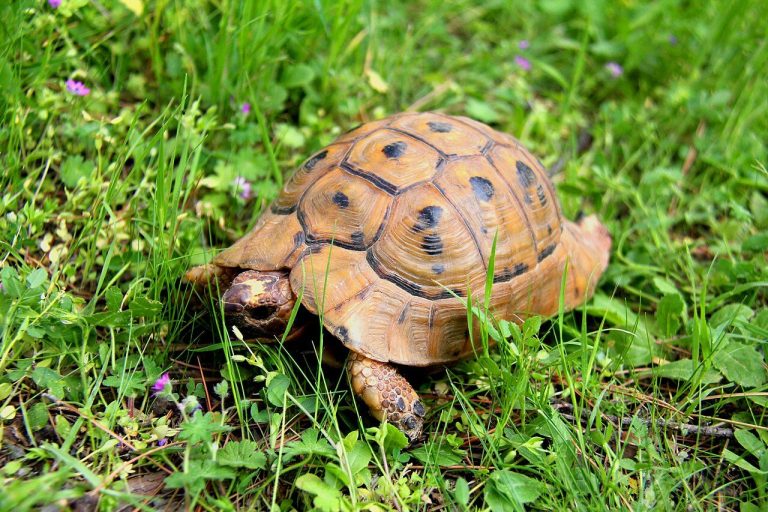
A smooth, gently domed shell is a hallmark of a healthy tortoise. However, many captive tortoises develop raised, cone-like scutes that form distinct pyramids across their carapace.
Understanding what causes pyramiding in tortoises is essential for any keeper who wants to ensure their reptile lives a long, healthy life. While historic reptile care advice often blamed protein alone, modern herpetology reveals that environmental hydration plays an even greater role.
By adjusting humidity levels, optimizing diet, and providing correct lighting, you can protect your growing tortoise from this common condition.
Understanding Pyramiding: Smooth Shell vs. Pyramided Shell
In natural wild environments, most tortoise species grow smooth shells where individual plates, known as scutes, meet seamlessly. Pyramiding occurs when the vertical growth of keratin beneath the scutes outpaces horizontal expansion, causing the individual sections to build upward into rigid pyramids.
Understanding the differences between normal growth and abnormal shell elevation helps keepers identify problems early. Examining tortoise scutes and shell growth provides vital insight into how the carapace naturally forms over time.
| Feature | Smooth Healthy Shell | Pyramided Shell |
|---|---|---|
| Scute Profile | Flat or gently curved contours | Raised, conical, or pyramid shapes |
| Shell Density | Firm, solid, and uniformly thick | May have soft seams or porous bone underneath |
| Primary Drivers | High humidity, slow growth, balanced diet | Dry microclimates, overfeeding, poor calcium intake |
| Reversibility | N/A (Normal baseline state) | Irreversible; future growth can be corrected |
Keratin Synthesis and Growth Rings
As a tortoise grows, new keratin layers are added beneath existing scutes. When conditions are optimal, these layers spread outward to keep the carapace smooth.
If environmental moisture is missing, new keratin dries rapidly and hardens before expanding horizontally. This forces the central area of each scute upward with every growth spurt.
Primary Causes: Environmental Humidity and Microclimate Dryness
For decades, keepers believed dietary protein was the sole trigger for shell pyramiding. Modern research shows that microclimate humidity during the hatchling and juvenile stages is actually the most influential factor.
In nature, young tortoises spend most of their early years buried in humid soil, deep vegetation, or moist burrows. Even grassland species like Sulcatas spend their youngest days in damp underground microenvironments.
When kept in bone-dry indoor enclosures under intense heating lamps, hatchlings suffer chronic surface dehydration. This lack of ambient ambient moisture hardens the outer shell layers prematurely and restricts proper expansion.
Pro Tip: Always use a reliable digital hygrometer at ground level inside your tortoise enclosure. Measuring humidity near the basking lamp gives inaccurate readings; monitor the moisture levels inside humid hides where your tortoise rests.
Humid Hides and Moist Substrates
Providing a ambient humidity level between 70% and 80% for hatchlings dramatically reduces the risk of shell deformities.
Using damp substrates like coco coir, cypress mulch, or sphagnum moss helps simulate natural nesting conditions. A dedicated humid hide filled with moist substrate gives your pet a microclimate that prevents scutes from drying out during rest.
Regular shallow warm-water soaks are equally critical for keeping young tortoises hydrated from the outside in. Daily soaking for 15 to 20 minutes ensures hatchlings maintain internal hydration while encouraging healthy bowel movements.
What Causes Pyramiding in Tortoises? Dietary and Nutritional Factors
While humidity is paramount, nutrition plays a secondary but critical role in shell development. Fast growth driven by improper feeding directly contributes to what causes pyramiding in tortoises over time.
Tortoises are adapted for slow, continuous growth on nutrient-poor, high-fiber vegetation. Feeding concentrated commercial pellets, fruit, or high-protein greens causes unnatural growth surges that outpace bone mineralization.
When caring for a young sulcata tortoise or similar desert species, prioritizing wild grasses, weeds, and high-fiber hay is essential for gradual growth.
+——————————————————————-+ | PRIMARY PYRAMIDING FACTORS | +——————————————————————-+ | 1. Environmental Dryness —> Scutes harden without expanding | | 2. Excess Dietary Protein —> Accelerated growth outpaces bone | | 3. Lack of UVB/Calcium —> Weak, porous shell infrastructure | +——————————————————————-+
Protein Content and Overfeeding
High dietary protein increases nitrogen intake, which promotes rapid soft-tissue growth. When internal organ and tissue growth accelerates faster than the shell can expand, the carapace buckles upward.
Avoid feeding dog food, cat food, legumes, or excessive leafy greens like spinach. Instead, stick to natural broadleaf weeds such as dandelion, plantain, clover, and edible hibiscus leaves.
Portion control is equally important. Offer a daily food portion that equals the size of your tortoise’s shell, allowing one day of light grazing per week to prevent artificial power-feeding.
Lighting, UVB, and Calcium Imbalances
Even with proper humidity and diet, a tortoise cannot build a strong, smooth shell without proper mineral absorption. Solar synthesis of Vitamin D3 is necessary to convert dietary calcium into hard structural bone.
Without sufficient UVB light exposure, calcium cannot bind to the growing shell matrix. This leads to thin, structurally compromised scutes that bend easily under physical stress.
The Role of UVB Lighting
Active UVB light (specifically in the 290-315 nm wavelength) converts cholesterol in the skin into active Vitamin D3. Linear T5 UVB fluorescent tubes or high-quality mercury vapor bulbs are required for indoor enclosures.
Remember that glass and standard screen mesh filter out crucial UVB rays. Keep lighting fixtures unobstructed and replace fluorescent tubes every 6 to 12 months, as visible light outlasts effective UVB output.
Pro Tip: Dust your tortoise’s greens with a pure calcium carbonate powder 3 times weekly for juveniles, and supplement with Vitamin D3 once weekly if kept exclusively indoors.
Calcium-to-Phosphorus Ratios
A balanced diet should maintain a Calcium-to-Phosphorus (Ca:P) ratio of at least 2:1. Foods high in phosphorus bind calcium in the gut, rendering it unavailable for shell development.
Avoid foods rich in oxalates, such as spinach and beet greens, which block calcium uptake. Calcium blocks or cuttlebone left inside the enclosure allow tortoises to self-regulate their calcium intake naturally.
Can Pyramiding Be Reversed? Management and Health Complications
Once a scute develops a pyramid shape, the hardened keratin structure cannot un-pyramid or flatten back down. Pyramiding is permanent; however, taking immediate corrective measures ensures all future growth emerges smooth and level.
Over time, new smooth growth beneath old pyramided scutes helps blend the overall shell appearance as the tortoise matures.
[ Young Pyramided Shell ] —> [ Environmental Correction ] —> [ Smooth Base Growth Added ]
Associated Health Risks
Pyramiding is rarely just an aesthetic issue. Severe shell deformities are frequently accompanied by internal health issues that shorten a tortoise’s lifespan.
- Metabolic Bone Disease (MBD): Softening of the shell and limb bones caused by chronic calcium deficiency.
- Renal Strain: High-protein diets create excessive uric acid, putting extreme stress on kidneys.
- Respiratory Issues: A constricted or deformed carapace can compress internal lung capacity.
- Egg Binding: Female tortoises with deformed pelvic canals may experience fatal egg retention.
In addition to shell deformities, environmental deficiencies often trigger secondary symptoms. For instance, if your tortoise’s eyes become swollen or puffy, it may signal Vitamin A deficiencies or severe dehydration.
Actionable Checklist to Prevent Shell Pyramiding
To guarantee your tortoise develops a flat, strong, and natural carapace, implement this simple maintenance routine.
- Maintain Ambient Moisture: Keep indoor hatchling enclosures at 70-80% relative humidity.
- Provide Humid Retreats: Offer a covered hide box filled with damp sphagnum moss or coconut coir.
- Soak Daily: Place young tortoises in shallow, warm water for 15-20 minutes every day.
- Feed High-Fiber Diets: Focus on wild grasses, weeds, and calcium-rich weeds over commercial pellets.
- Upgrade UVB Lamps: Use T5 High-Output UVB lamps positioned at the correct height and replace them regularly.
- Provide Natural Sunlight: Offer safe outdoor enclosure time whenever weather permits.
By addressing ambient moisture, nutrition, and lighting simultaneously, you remove every factor that triggers scute deformation.
Frequently Asked Questions About Tortoise Pyramiding
Is pyramiding painful for a tortoise?
Early pyramiding does not cause direct pain, but severe cases cause strain on muscles, joints, and internal organs. The underlying metabolic conditions, such as bone weakness, can cause significant discomfort.
Are certain tortoise species more prone to pyramiding?
Yes, arid species like Sulcata tortoises (Centrochelys sulcata) and Leopard tortoises (Stigmochelys pardalis) pyramid frequently in captivity. High growth rates combined with overly dry indoor housing make them particularly susceptible.
Does sunlight prevent pyramiding better than artificial bulbs?
Unfiltered natural sunlight is always superior to artificial lighting. Sunlight provides full-spectrum radiation that maximizes natural Vitamin D3 synthesis and overall shell mineralization.
Can a hatchling recover completely from early shell pyramiding?
While existing raised scutes will not flatten out, a hatchling corrected early in life can outgrow the visual deformity. As the tortoise grows larger, smooth base growth will dominate the overall shape of the shell.
Final Thoughts on Stopping Tortoise Pyramiding
Understanding what causes pyramiding in tortoises empowers keepers to replace outdated pet husbandry practices with modern, science-backed care.
By maintaining high humidity, offering moist hides, providing correct lighting, and feeding a high-fiber diet, you give your tortoise the best chance at a smooth, strong shell.
Consistent daily attention during the early growth years makes all the difference for long-term health and vitality.

- 2003First tank
- 20+Years keeping
- 40+Tanks kept
- 0Sponsored picks
Howard set up his first 10-gallon planted tank in 2003 and lost half of it within six weeks. Two decades and more than forty aquariums later, he writes the guides he wished he had then: clear numbers, the reasons behind them, and what actually goes wrong in home tanks.