How to Make a Succulent Plant Terrarium – Simple DIY Guide
To make a succulent plant terrarium, layer coarse gravel for drainage, activated horticultural charcoal, mesh, and porous succulent soil into an open glass vessel, then plant slow-growing desert species that thrive in high light and low moisture.
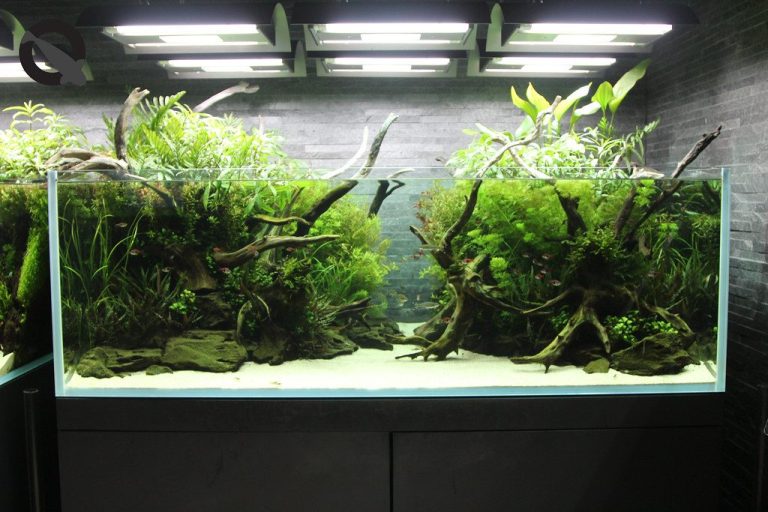
Aquarium hobbyists often admire the intricate art of aquascaping, but bringing a dry terrestrial landscape into your home offers an equally rewarding creative outlet. Succulents are fascinating plants that store water in thick leaves, making them striking centerpiece options for indoor glass displays.
Learning how to make a succulent plant terrarium allows you to construct a low-maintenance miniature landscape using principles very similar to hardscaping a dry aquarium layout. With the right materials and layering techniques, your glass garden will remain healthy and vibrant for years.
Understanding Succulent Needs in Glass Containers
Succulents naturally thrive in arid environments with low atmospheric humidity, high light intensity, and rapidly draining soil. Glass vessels retain surrounding moisture, so providing maximum ventilation is critical to mimicking these desert conditions.
Unlike tropical plants that prefer sealed environments, desert species require open vessels to avoid trapped moisture. Choosing an open glass container ensures adequate airflow across the foliage and prevents dangerous atmospheric buildup around roots.
Common Mistake: Never plant succulents in a closed container. Trapped condensation will quickly cause atmospheric rot, stem decay, and fungal infections across your entire collection.
Succulents use Crassulacean Acid Metabolism to process carbon dioxide during the night, minimizing water loss during scorching daylight hours. This unique metabolic pathway makes them resilient against drought, but extremely vulnerable to stagnant, waterlogged roots.
Essential Materials for Building a Succulent Terrarium
Building a long-lasting display requires choosing materials that support aeration while eliminating excess moisture around root systems. Using high-grade components ensures your plant roots maintain high oxygen access even after watering.
Choosing the Right Substrates and Drainage Materials
Standard potting mixes hold far too much water for glass setups. Instead, build your drainage foundation using robust inert aggregates combined with lightweight, high-porosity materials.
- Drainage Layer: Small river gravel, lava rock, or expanded clay aggregate.
- Filter Screen: Fiberglass mesh or synthetic insect screen cut to container size.
- Purification Layer: Activated horticultural charcoal to absorb odors and unwanted compounds.
- Planting Mix: Specialized gritty succulent soil mixed with volcanic pumice and coarse silica sand.
Recommended Plant Species
Select compact species that share similar lighting requirements and growth rates. Mixing plants with mismatched watering needs will cause long-term maintenance issues.
| Plant Species | Growth Habit | Light Needs | Key Features |
|---|---|---|---|
| Haworthiopsis attenuata | Compact rosette | Bright indirect light | White raised ridges, tolerant of lower light |
| Echeveria elegans | Symmetrical rosette | Direct sun to bright light | Pale blue-grey leaves, highly decorative |
| Crassula ovata (‘Minima’) | Branching shrub | Bright direct light | Thick woody stems, tree-like structure |
| Gasteria flow | Thick, rigid leaves | Low to indirect light | Deep green color, extremely slow growing |
Step-by-Step Process: How to Make a Succulent Plant Terrarium
Assembly requires a systematic approach to prevent fine soil from sifting into your lower drainage zone. Taking your time during construction guarantees proper root aeration.
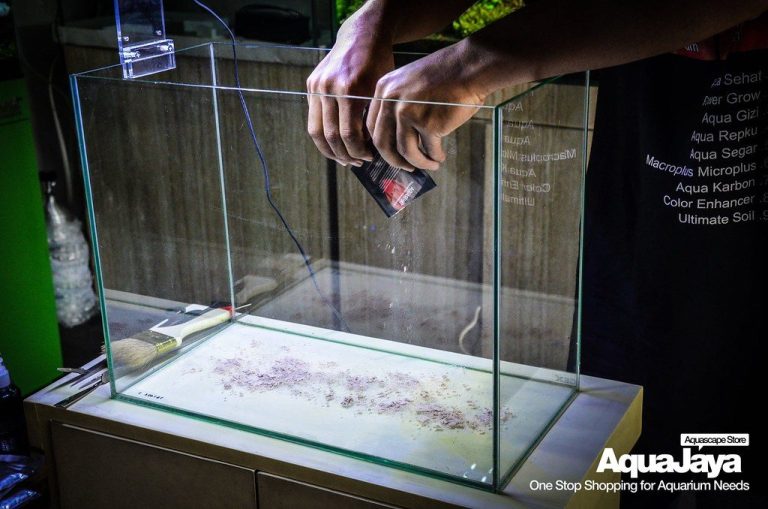
If you have an unused glass tank lying around, assembling a succulent terrarium in a fish tank offers ample space for stunning hardscape arrangements.
Step 1: Clean and Prepare Your Vessel
Wash your glass container thoroughly using warm water and mild soap, then rinse it completely. Allow the vessel to air dry fully so no moisture remains trapped along the inside surfaces during assembly.
Step 2: Construct the Drainage Layer
Pour a 1-to-2-inch layer of expanded clay aggregate or coarse gravel into the bottom of your container. This zone collects extra water that runs through the soil, keeping roots above standing water.
Step 3: Install the Barrier and Charcoal
Place a custom-cut piece of mesh over the gravel layer to form a false bottom drainage barrier. Scatter a thin layer of activated horticultural charcoal over the mesh to keep the environment fresh.
Step 4: Add the Porous Soil Layer
Add 2 to 3 inches of custom porous inorganic substrate mixed with cactus soil. Lightly press the media down to settle air pockets, leaving space at the top for planting and decorative hardscape elements.
Pro Tip: Slope your substrate upward toward the back of the vessel. This simple aquascaping trick adds visual depth and makes small plants in the back easier to admire.
Step 5: Prepare and Plant Succulents
Remove your plants from their original nursery pots and gently tease away dense nursery soil from the roots. Dig small shallow holes in your substrate, place the plants carefully, and firm the soil around their roots.
Step 6: Add Decorative Hardscaping and Top Dressing
Finish your layout by placing accent stones, mini driftwood, or a clean top layer of coarse silica sand. Top dressings add a polished look while keeping plant leaves off damp soil surfaces.
Moisture Control and Preventative Care
Water management is the most important factor when caring for desert glass displays. Because glass containers lack bottom drainage holes, traditional soaking methods will quickly kill your plants.
Apply water carefully around the base of each plant using a narrow-spouted watering bottle or precision syringe. Only water when the soil profile is bone dry from top to bottom.
Overwatering creates anaerobic soil conditions that encourage fungal pathogens like Pythium root rot. If you notice soft leaves or black stems, suspend watering immediately and place the container in an area with warm airflow.
Establishing a routine terrarium maintenance guide strategy helps you spot issues like stem rot, light deficiency, or leaf dropping before they damage your whole display.
Proper Lighting and Temperature Requirements
Succulents require intense lighting to maintain tight growth habits and bold coloration. Insufficient light causes plants to stretch unnaturally toward light sources, weakening their stems.
Place your container near a south or west-facing window where it receives at least 4 to 6 hours of bright light daily. Avoid placing glass vessels in hot, harsh direct sunlight, as glass can magnify heat and scorch leaves.
If natural window light is limited, install an adjustable LED grow light directly above your display. Position the light 6 to 12 inches above the plants and run it on a 12-hour daily timer.
Maintain ambient indoor temperatures between 65°F and 80°F (18°C to 27°C) for ideal growth. Protect your display from cold window drafts during winter, as cold temperatures combined with soil moisture cause root collapse.
Frequently Asked Questions About Succulent Terrariums
How often should I water my succulent terrarium?
Water only when the entire substrate layer is completely dry, usually every 3 to 4 weeks during spring and summer. Reduce watering to once every 6 to 8 weeks during winter dormancy.
Why are my succulent leaves turning soft and yellow?
Soft, translucent, or yellow leaves indicate severe overwatering. Stop watering immediately, remove damaged leaves, and let the soil dry out completely in a well-ventilated area.
Can I use regular potting soil for succulents in glass?
No, standard potting soil holds too much moisture and lacks adequate aeration. Always use specialized cactus soil mixed with inorganic grit like pumice or coarse sand.
Do succulents need direct sun inside a glass container?
They need very bright light, but harsh direct sun magnified through glass can overheat the air inside. Bright indirect light or dedicated LED grow lights provide safe, effective light.
How do I stop succulents from outgrowing their container?
Choose slow-growing species like Haworthiopsis attenuata, avoid high-nitrogen fertilizers, and prune back overgrown stems regularly to maintain your desired design.
Final Thoughts on Building Your Succulent Terrarium
Learning how to make a succulent plant terrarium offers aquarists and indoor plant lovers a creative way to build low-maintenance desert scapes inside glass containers. By building a functional drainage layer, selecting appropriate gravel and sand, and controlling moisture, your arrangement will stay healthy for years.

- 2003First tank
- 20+Years keeping
- 40+Tanks kept
- 0Sponsored picks
Howard set up his first 10-gallon planted tank in 2003 and lost half of it within six weeks. Two decades and more than forty aquariums later, he writes the guides he wished he had then: clear numbers, the reasons behind them, and what actually goes wrong in home tanks.