Live Plant Fish Tank Setup – The Complete Beginner Guide
A successful live plant fish tank setup requires active substrate, balanced LED lighting, gentle filtration, and hardy aquatic vegetation. Combining these elements creates a natural biological balance that keeps both plants and livestock thriving.
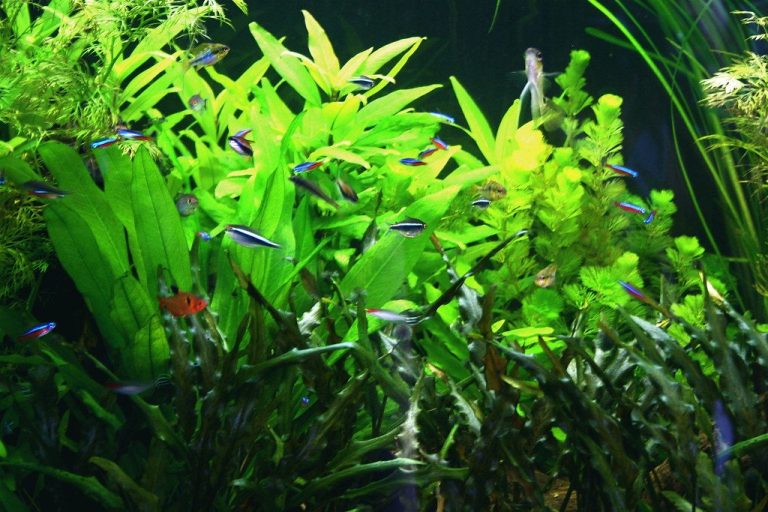
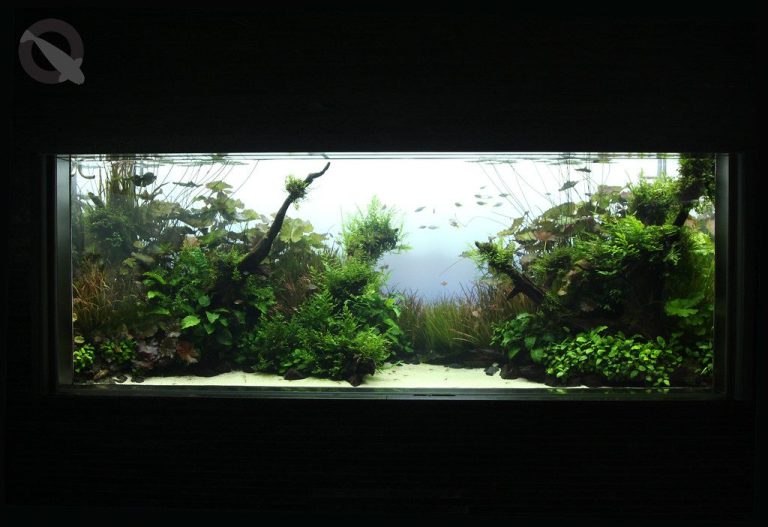
Designing an attractive live plant fish tank setup transforms a standard aquarium into a flourishing miniature riverbed. Live aquatic flora not only elevates the aesthetic appeal of your home, but it also creates a dynamic, biologically stable habitat for freshwater livestock.
Aquatic plants continuously absorb toxic nitrates, consume dissolved fish waste, and oxygenate the water column throughout the day. By establishing an environment where flora and fauna support each other, you reduce overall maintenance and protect your fish from water quality fluctuations.
Building your first planted aquarium might seem intimidating with talk of light spectrums, substrates, and fertilizers. However, following a structured approach allows anyone to cultivate a lush underwater garden with minimal difficulty.
Live Plant Fish Tank Setup: Essential Equipment
Selecting the right hardware is the foundation of any long-term planted tank project. Using equipment tailored specifically for aquatic flora prevents stunted growth, nuisance algae blooms, and livestock stress.
Choosing the Right Tank Size and Dimensions
For beginners, tank volume plays a major role in water stability. A standard 20-gallon long aquarium provides an ideal footprint because it offers generous surface area and shallow water depth.
Shallow tanks allow light to reach bottom-dwelling plants without requiring high-powered commercial fixtures. Larger volumes also dilute accidental nutrient spikes, making water parameters significantly easier to control.
If space is limited, a 10-gallon tank can work well for smaller setups. However, smaller water volumes require more frequent parameter testing to catch imbalances early.
Full-Spectrum Lighting Requirements
Aquatic plants depend directly on photosynthesis, making ordinary household lamps insufficient. A dedicated planted aquarium light should deliver full-spectrum illumination within the 6,500K to 7,000K daylight range.
High-intensity lighting paired with inadequate nutrients will trigger rapid green hair algae or black beard algae growth. Modern programmable LED fixtures allow you to adjust both intensity and photoperiod duration, helping you find the sweet spot for your system.
Aim for a daily lighting duration of six to eight hours. Using an inexpensive outlet timer ensures that your photoperiod remains consistent day after day.
Filtration and Surface Agitation
A reliable filter maintains water clarity and houses beneficial nitrifying bacteria. Hang-on-back (HOB) or canister filters packed with porous biological ceramic media and coarse foam sponges work best.
Excessive water current can tear delicate stems and strip away localized carbon dioxide that plants absorb. Adjust your filter outflow to create a gentle roll across the water surface rather than a turbulent whirlpool.
Surface movement facilitates gas exchange, bringing in vital oxygen for fish while expelling surplus carbon dioxide during dark periods. Balancing flow ensures nutrients circulate evenly around dense plant groupings.
Selecting Substrate and Hardscape Materials
When assembling a live plant fish tank setup, your choice of substrate dictates which flora species will thrive long term. Substrates provide mechanical anchoring for delicate root structures and deliver vital macro- and micro-nutrients.
| Substrate Type | Nutrient Content | Cation Exchange (CEC) | Best Suited For |
|---|---|---|---|
| Aquasoil | High (Organic & Mineral) | Very High | Heavy root feeders, carpeting plants, acidic-water species |
| Inert Fine Sand | None | Low | Epiphytes, water-column feeders, bottom-dwelling fish |
| Porous Clay Gravel | Moderate (Trace elements) | Moderate to High | Stem plants, root feeders supplemented with root tabs |
| Natural Rounded Gravel | None | Very Low | Low-tech epiphytes attached to hardscape |
Inert Gravel vs. Nutrient-Rich Aquasoils
Aquasoils consist of baked volcanic soil pellets packed with organic acids, nitrogen, potassium, and iron. They slightly lower water pH and soften general hardness, which mimics the natural blackwater streams where many tropical fish originate.
Inert substrates like pool filter sand or standard quartz gravel contain zero initial plant nutrients. If you choose sand or gravel for aesthetic reasons, you must supplement the bed with compressed fertilizer root tabs beneath root-feeding plants.
A popular alternative is a capped method, where nutrient-rich soil sits beneath a one-inch layer of fine sand. This prevents debris from clouds entering the water while keeping nutrients accessible to deeper roots.
Incorporating Inert Rocks and Driftwood
Hardscape components like driftwood and stones form the physical backbone of your layout. Driftwoods like Malaysian driftwood, spider wood, or mopani provide natural perches for clinging plants.
Always soak natural driftwood in a separate container before adding it to your setup to saturate the wood fibers and reduce heavy tannin release. While tannins are harmless and naturally antimicrobial, they can tint your aquarium water a deep tea color.
When selecting rocks, avoid calcareous stones like limestone or marble unless you intend to raise hard-water species. Inert options like lava rock, seiryu stone, or slate won’t unintentionally alter your carbonate hardness levels.
Pro Tip: Slope your substrate layer so it is approximately 1.5 inches deep in the front and rises to 3 or 4 inches at the back glass. This technique creates a dramatic sense of depth and provides deeper anchoring zones for large background plants.
Best Plant Species for Beginners
Starting with resilient, adaptable botanical choices prevents frustration and keeps plant melt to a minimum. Categorizing species by how they feed helps you arrange them for optimal light exposure and growth.
| Plant Name | Placement | Feeding Preference | Growth Rate |
|---|---|---|---|
| Anubias barteri | Midground (Hardscape) | Water column (Epiphyte) | Slow |
| Java Fern (Microsorum) | Midground (Hardscape) | Water column (Epiphyte) | Slow to Moderate |
| Cryptocoryne wendtii | Foreground to Midground | Root feeder (Substrate) | Moderate |
| Amazon Sword (Echinodorus) | Background | Heavy root feeder | Fast |
| Ludwigia repens | Background | Stem (Column & roots) | Fast |
Hardy Epiphytic Species
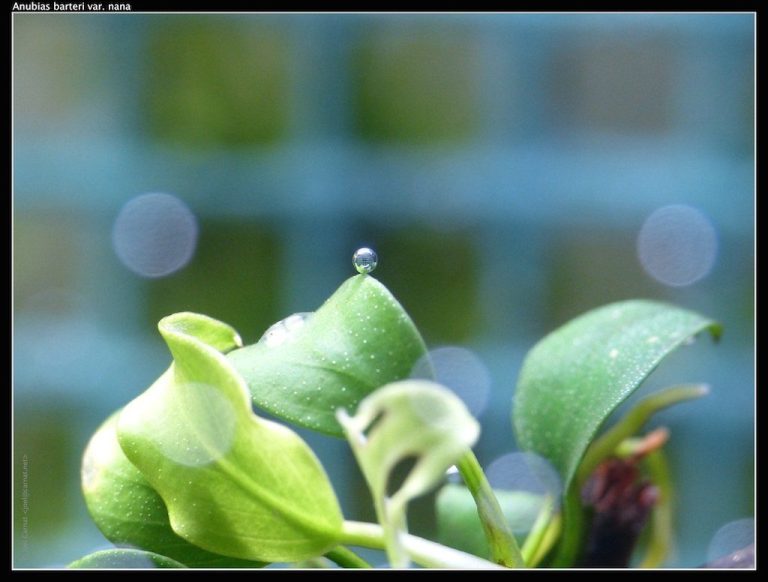
Epiphytes, such as Java Fern, Anubias varieties, and Bucephalandra, do not root into normal substrate beds. Instead, they absorb dissolved nutrients directly through modified root structures exposed to open water.
You must never bury the thick horizontal stem, known as the rhizome, beneath sand or gravel. Burying the rhizome cuts off oxygen transfer, causing the entire plant to rot and perish within weeks.
Secure these plants directly to rough wood branches or rock crevices using cotton thread or aquarium-safe cyanoacrylate gel glue. Over time, the roots will naturally wrap around the hardscape and anchor themselves securely.
Fast-Growing Stem Plants
Fast-growing stem species like Ludwigia repens, Bacopa caroliniana, and Rotala rotundifolia act as nutrient sponges. Because they pull large amounts of nitrogen and phosphate from the water, they are invaluable for outcompeting algae.
Propagating stem varieties is straightforward and cost-effective. Once the stem reaches the surface, trim the top three to four inches and push the cut stem back down into the substrate.
The buried cutting will establish brand-new adventitious roots within several days. Meanwhile, the original rooted bottom stalk will generate two fresh vertical side shoots, creating denser plant clusters.
Substrate Root Feeders
Root-feeding plants, including Amazon Swords and various Cryptocoryne species, build expansive underground root systems. These plants consume minimal nutrients from open water, relying almost exclusively on the substrate bed.
When planting Swords and Crypts, keep the root crown—the zone where roots meet leaf stems—level with the substrate surface. Burying the crown too deep leads to stem suffocation and crown rot.
Insert a slow-release root fertilizer tab directly beneath each plant’s root cluster every two to three months. This targeted feeding keeps foliage vibrant and prevents common yellowing associated with iron and potassium deficiencies.
Step-by-Step Assembly and Planting Guide
Executing a proper live plant fish tank setup involves patience and careful execution during planting day. Rushing through the planting stage often results in dislodged stems, cloudy water, and damaged root structures.
Step 1: Tank Placement and Hardscape Construction
Position your empty tank on a completely level, structurally reinforced stand away from direct sunlight. Direct sunlight striking tank glass makes photoperiod management nearly impossible and guarantees stubborn green water algae.
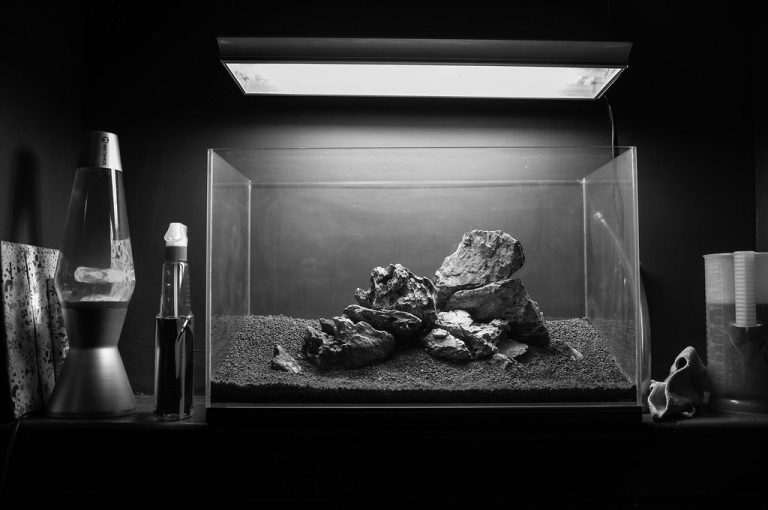
Pour in your chosen substrate and sculpt your desired contours, banking it higher toward the back panel. Place your largest hardscape stones and wood pieces first, ensuring they are stable and cannot roll onto the glass.
Step back from the tank to inspect your hardscape layout from multiple angles across the room. Adjust your rocks and wood now, because shifting hardscape later will disturb plant roots and make a mess.
Step 2: Preparation and Planting
Moisten the dry substrate using a spray bottle filled with dechlorinated tap water. Working with damp, soft substrate keeps delicate plant tissues hydrated and holds slender stems in place much better than dry soil.
Remove potted plants from their plastic containers and gently wash away the rockwool packing material from the roots. Trim off any dead, brown, or decaying foliage using sharp curved aquascaping scissors to redirect the plant’s energy toward new growth.
Use stainless steel planting tweezers to grasp plant roots at a forty-five-degree angle. Push the tweezers straight into the substrate, release your grip slowly, and withdraw the tool along an upward slant to leave the plant anchored.
Common Mistake: Avoid filling the aquarium with water before planting your flora. Trying to plant stems in a full tank forces you to fight water buoyancy, which usually pulls delicate plants straight out of the substrate bed.
Step 3: Gentle Filling Process
Once your plants are positioned, place clean bubble wrap or a flat plastic plate directly over the substrate bed. Slowly pour dechlorinated water over the barrier to diffuse the incoming water pressure.
This diffusion prevents the incoming current from carving craters into the substrate or creating dense soil dust clouds. Fill the tank slowly until the water reaches approximately one inch below the upper frame rim.
Remove your plastic barrier, plug in your filtration system, and verify that the pump operates smoothly. Set your heater to the appropriate temperature and let the system settle for twenty-four hours.
Cycling and Establishing Biological Balance
Never rush fish into a freshly planted aquarium. While plants do absorb ammonium and nitrates, the beneficial nitrifying bacterial colonies must still populate your filter media before the tank is safe for livestock.
Take time to ensure your tank is ready for fish by testing baseline chemical parameters using a liquid master test kit. The nitrogen cycle converts toxic fish waste into safe compounds through two biological stages:
- Nitrosomonas bacteria convert raw ammonia into toxic nitrites.
- Nitrobacter bacteria convert toxic nitrites into relatively safe nitrates.
During the first two weeks, aquatic plants often undergo a transition period called “plant melt.” Commercial nurseries grow many species emersed (above water) in humid greenhouses because plants absorb ambient air carbon faster there.
When submerged underwater, those air-grown leaves gradually wither and die back. Do not panic; keep your parameters stable, gently siphon away melting debris, and fresh submerged-adapted foliage will sprout from the crowns.
If you choose to run pressurized carbon dioxide to accelerate plant growth, monitoring levels is critical for safety. Many advanced aquarists track dissolved carbon by targeting a one-point pH drop throughout the daily photoperiod to ensure stability.
Stocking Compatible Fish and Invertebrates
After ammonia and nitrite levels reliably read zero parts per million, you can introduce your livestock. Select fish and invertebrates that respect delicate plant foliage rather than pulling up roots or snacking on tender leaves.
Selecting Plant-Safe Livestock
Small schooling characins, such as Neon Tetras, Ember Tetras, and Harlequin Rasboras, make exceptional choices for planted tanks. Their modest biological footprint creates minimal waste while their bright colors contrast against lush green leaves.
Peaceful dwarf cichlids, such as German Blue Rams or Apistogramma pairs, add distinctive personality to lower water strata without digging up roots. Surface dwellers like Marbled Hatchetfish occupy the top tier, utilizing open swimming channels without interfering with flora.
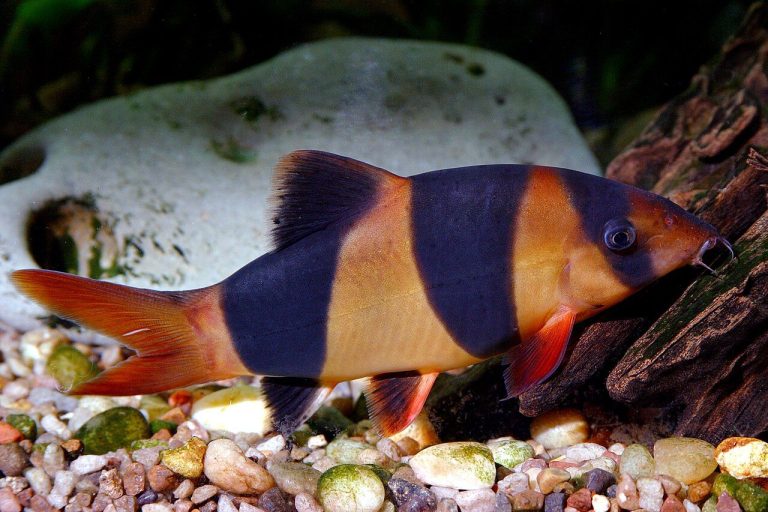
Avoid aggressive herbivorous species such as Silver Dollars, Buenos Aires Tetras, or large goldfish. These species view lush aquatic plants as food and will defoliate an aquascape within days.
Enlisting a Natural Clean-Up Crew
A dedicated clean-up crew prevents nuisance microalgae from coating broad plant leaves and blocking necessary light. Combining various invertebrate species ensures different forms of algae are continually grazed down.
- **Amano Shrimp (Caridina multidentata):** Renowned for their appetite for stringy hair algae and decaying organic matter.
- **Nerite Snails (Neritina natalensis):** Efficient grazers that scrape green spot algae off hardscape and glass without eating live plants.
- **Otocinclus Catfish (Otocinclus vestitus):** Tiny, peaceful schooling catfish that constantly scour soft brown diatoms from delicate leaves.
- **Cherry Shrimp (Neocaridina davidi):** Prolific miniature scavengers that pick through fine mosses and clean detritus from stem groupings.
Acclimate all invertebrates gradually using the drip acclimation method over sixty to ninety minutes. Freshwater shrimp and snails are sensitive to rapid swings in osmotic pressure and water hardness.
Frequently Asked Questions About Planted Aquariums
Do live plants need CO2 injection to survive?
Most beginner species thrive without supplemental carbon dioxide injection. Hardy varieties like Java Fern, Anubias, Cryptocoryne, and Hornwort extract enough carbon from ambient water and fish respiration. Pressurized carbon dioxide accelerates growth and enhances red pigmentation, but it is not necessary for low-tech setups.
How often should I perform water changes on a planted tank?
Perform a twenty to thirty percent water change once every week or two. Consistent partial water changes dilute excess organic compounds, replenish trace minerals like calcium and magnesium, and discourage pest algae growth.
Why are the leaves on my new plants turning yellow?
Yellowing foliage generally points to a nutrient deficiency or natural adaptation melt. If older leaves turn yellow along the margins, the plant usually lacks mobile nutrients like potassium or nitrogen. If new growth emerges pale or translucent, adding a balanced liquid iron supplement will resolve the issue.
Should I trim my aquarium plants regularly?
Pruning encourages compact, bushy growth patterns and prevents taller background stems from shading smaller foreground varieties. Use sharp aquascaping scissors to snip stems clean, and remove floating clipped foliage immediately so it doesn’t decay and pollute the water.
Final Thoughts on Your Planted Aquarium Journey
Building a balanced live plant fish tank setup is one of the most rewarding journeys in the aquatic hobby. By pairing quality substrate, appropriate LED lighting, and resilient plant species, you establish a dynamic, living ecosystem that naturally purifies its own environment.
Approach the first month with patience as the biological cycle matures and plant roots anchor into the substrate. With routine partial water changes, sensible photoperiods, and careful feeding, your underwater garden will reward you with vibrant growth and healthy, active fish for years to come.
- 2003First tank
- 20+Years keeping
- 40+Tanks kept
- 0Sponsored picks
Howard set up his first 10-gallon planted tank in 2003 and lost half of it within six weeks. Two decades and more than forty aquariums later, he writes the guides he wished he had then: clear numbers, the reasons behind them, and what actually goes wrong in home tanks.