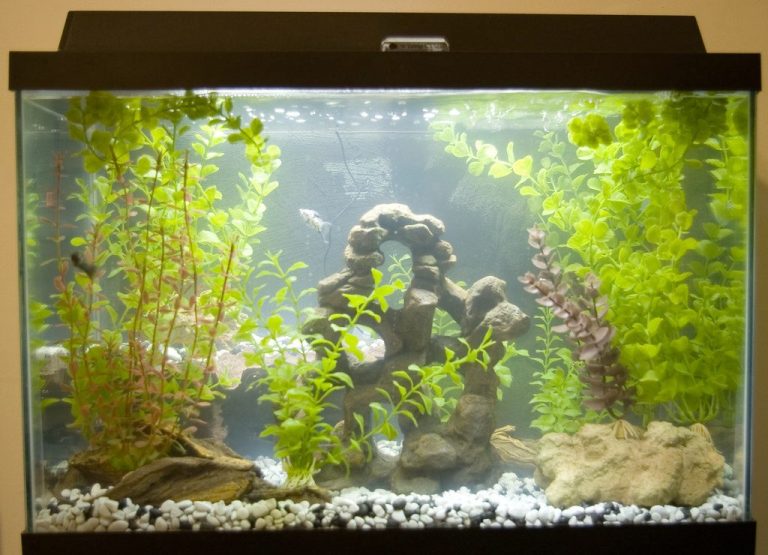
Rainforest Terrarium – Master Setup Guide
A rainforest terrarium is an enclosed tropical ecosystem engineered to maintain high humidity and warm temperatures. It creates a self-sustaining environment where moisture-loving plants, mosses, and beneficial micro-fauna thrive naturally.
A rainforest terrarium brings the lush atmosphere of a tropical jungle directly into your home. This enclosed display relies on high relative humidity, gentle ambient warmth, and balanced lighting to sustain vibrant tropical plant species.
For aquarists and indoor plant enthusiasts, building a miniature tropical biotope offers a deeply rewarding creative project. Understanding the biological layers, lighting requirements, and atmospheric needs is essential before starting your build.
In this comprehensive guide, you will learn how to construct, plant, and maintain a self-regulating tropical enclosure that remains healthy for years.
Core Mechanics of a Tropical Ecosystem
A tropical jungle relies on dynamic biological relationships, high humidity, and continuous hydrological cycling to sustain plant life. Replicating this delicate balance within glass walls requires careful planning of drainage, air flow, and light.
Water continuously cycles through an enclosed system as plants draw moisture from the roots and release vapor through transpiration. Condensation collects on the glass walls and drips back down to replenish the substrate.
Without adequate ventilation and specialized drainage, trapped moisture quickly becomes stagnant. Balancing high moisture levels with structural gas exchange keeps plant roots healthy and prevents harmful fungal blooms.
Pro Tip: Always construct a dedicated drainage layer beneath your soil. Accumulated water that sits directly in the plant roots will cut off oxygen and cause root rot within weeks.
Essential Structural Layers for Your Build
Building a long-lasting rainforest terrarium requires a stratified foundation. Each distinct substrate layer performs a mechanical or biological function to process water and organic waste.
The false bottom collects excess water runoff, while a biological barrier keeps soil from mixing into the drainage area. Above the barrier, a light, airy substrate supports root growth without compacting under high moisture.
Below is an overview of the core layers necessary to assemble a stable structural ecosystem:
| Layer Name | Primary Material | Functional Purpose |
|---|---|---|
| Drainage Layer | Expanded clay pebbles or coarse gravel | Captures excess liquid water to prevent saturated soil conditions. |
| Substrate Mesh | Fiberglass screen or fine plastic mesh | Separates soil from drainage, preventing soil migration and clogging. |
| Substrate Mix | ABG Mix (Coco coir, tree fern fiber, orchid bark, charcoal) | Provides aerated, moisture-retentive media for tropical roots. |
| Top Leaf Litter | Dried oak, magnolia, or sea almond leaves | Protects soil surface, retains humidity, and feeds beneficial micro-fauna. |
Constructing the Drainage Layer
Start your build by adding two inches of lightweight expanded clay aggregate (LECA) or clean lava rock to the bottom of the enclosure. This layer holds excess water safely out of reach from sensitive root systems.
Place a tailored piece of synthetic screen mesh directly over the clay pebbles. Standard fiberglass window screen material works exceptionally well because it will not decay under wet conditions.
Mixing the Ideal Bioactive Substrate
Standard potting soil breaks down quickly and turns to dense mud under wet tropical conditions. Instead, use a custom tropical substrate blend known as Atlanta Botanical Garden (ABG) mix.
This mix contains equal parts coconut coir, chopped tree fern fiber, orchid bark, sphagnum moss, and horticultural charcoal. The coarse texture ensures air reaches root zones even under high moisture levels.
Selecting Plants for a Rainforest Terrarium Setup
Choosing appropriate tropical flora ensures your micro-habitat remains balanced and manageable over time. You must select species that adapt well to permanent ambient humidity between 70% and 90%.
Focus on compact species that grow slowly and thrive under moderate fluorescent or LED lighting. When selecting foliage, combine varied plant heights, leaf textures, and trailing vines to create visual depth.
When choosing suitable foliage, prioritize species known for loving high moisture and stable warm conditions.
Epiphytic Plants and Bromeliads
Epiphytes grow attached to branches, cork bark, or rock structures rather than directly in soil. Miniature bromeliads are ideal choices because their leaf cups hold tiny pools of water.
Secure small epiphytes to hardscape using floral wire, fishing line, or non-toxic silicone until their roots naturally anchor. Their elevated placement adds striking vertical structure to your layout.
Mosses, Ferns, and Creeping Vines
Creeping vines like Ficus pumila or Marcgravia easily scale background panels and hardscape pieces. They anchor quickly and create a natural, overgrown canopy appearance.
Ground cover ferns, such as lemon button ferns or miniature bird’s nest ferns, add dense visual foliage near the base. By incorporating sphagnum moss along the base, you provide a soft ground cover that stabilizes moisture.
Common Mistake: Avoid planting desert succulents, cacti, or heavy root-feeder houseplants in high-humidity enclosures. These species quickly succumb to stem rot in persistent moisture.
Controlling Temperature, Lighting, and Airflow
Maintaining proper atmospheric parameters determines the ultimate success of your tropical habitat. Tropical plants require steady illumination, steady heat, and moderate air movement to prevent stagnation.
Full-spectrum LED lighting designed for freshwater planted tanks works exceptionally well for tropical enclosures. Aim for a color temperature between 6500K and 7000K to support active plant photosynthesis.
Run lighting fixtures on a consistent 10-to-12-hour daily cycle using an automatic plug-in timer. Photoperiod stability helps regulate plant growth cycles and prevents sudden algae outbreaks.
Humidity and Ventilation Balance
Relative humidity should consistently range between 70% and 90%. Glass lids retain moisture effective, but total enclosure seals trap stagnant air, fostering aggressive mold outbreaks.
Incorporate small mesh ventilation strips or micro USB circulating fans to encourage gentle interior airflow. Light air circulation strengthens plant stems and stops fungal spores from settling on wet leaf surfaces.
Adjusting your misting schedules according to seasonal ambient room changes helps keep humidity stable. Spray the habitat using reverse osmosis or distilled water to avoid mineral spots on glass walls.
Introducing Cleanup Crews for Bioactive Balance
A fully functional biotope benefits significantly from bioactive cleanup crews. Tiny invertebrates work continuously to recycle organic leaf waste, fallen plant debris, and unwanted mold spores.
Springtails (Collembola) are micro-invertebrates that feed aggressively on white mold spores and fungal blooms. Adding a starter colony to wet substrate provides biological mold prevention.
Tropical isopods, such as Pruinosus or Reticulated dwarf white species, break down leaf litter and root waste. They process detritus into rich nutrients that fuel ongoing plant growth.
Organic Waste (Fallen Leaves/Fungus) │ ▼ Bioactive Cleanup Crew (Springtails & Isopods) │ ▼ Nutrient-Rich Organic Breakdown │ ▼ Healthy Tropical Plant Roots
Including these beneficial organisms creates a closed-loop system, drastically reducing the physical labor needed to maintain clean soil layers.
Long-Term Maintenance and Troubleshooting
Even a self-sustaining rainforest terrarium requires periodic upkeep to remain clean and aesthetically pleasing. Establishing a routine maintenance schedule keeps your setup healthy for years.
Inspect the drainage layer weekly to evaluate accumulated water levels. If water fills more than half of the clay pebble layer, siphon out excess liquid using a flexible airline tube.
Prune aggressive trailing vines regularly to keep them from shading smaller ground-layer plants. Trim yellowing or decaying leaves immediately before they rot on the substrate surface.
Monitor interior glass surfaces for mineral crusts or organic film. Wipe internal glass panels gently using clean paper towels dampened with purified distilled water.
Frequently Asked Questions About Rainforest Terrariums
Can you build a rainforest terrarium in a standard fish tank?
Yes, standard glass aquariums make excellent habitats for tropical setups. You can easily adapt them by adding a tight-fitting glass canopy or custom screen lid to hold humidity inside.
How often do you need to water a tropical terrarium?
Watering frequency depends heavily on whether your enclosure is fully sealed or partially ventilated. Open setups may require misting every few days, while sealed setups can go weeks or months without extra water.
Why are my terrarium plants turning yellow?
Yellow leaves usually indicate overwatering, saturated root zones, or inadequate lighting. Inspect your drainage layer to confirm roots are not submerged in standing water, and review your LED light output.
Do I need to use fertilizer in a bioactive terrarium?
Bioactive setups with springtails and isopods rarely require chemical fertilizers. The natural breakdown of leaf litter and organic waste supplies plenty of slow-release nutrients directly to plant roots.
What kind of water should I use for misting?
Always use distilled water, reverse osmosis water, or clean rainwater. Tap water contains minerals like calcium and magnesium that leave hard white spots on glass walls over time.
Final Thoughts on Building Your Tropical Ecosystem
Constructing a rainforest terrarium brings an active, growing piece of nature right into your living space. By balancing drainage, substrate aeration, light, and micro-fauna, you create a stable biotope that flourishes naturally.
Start with quality materials, choose suitable tropical plant species, and monitor water levels closely during the initial setup weeks. With simple routine care, your indoor jungle will provide years of enjoyment.
- 2003First tank
- 20+Years keeping
- 40+Tanks kept
- 0Sponsored picks
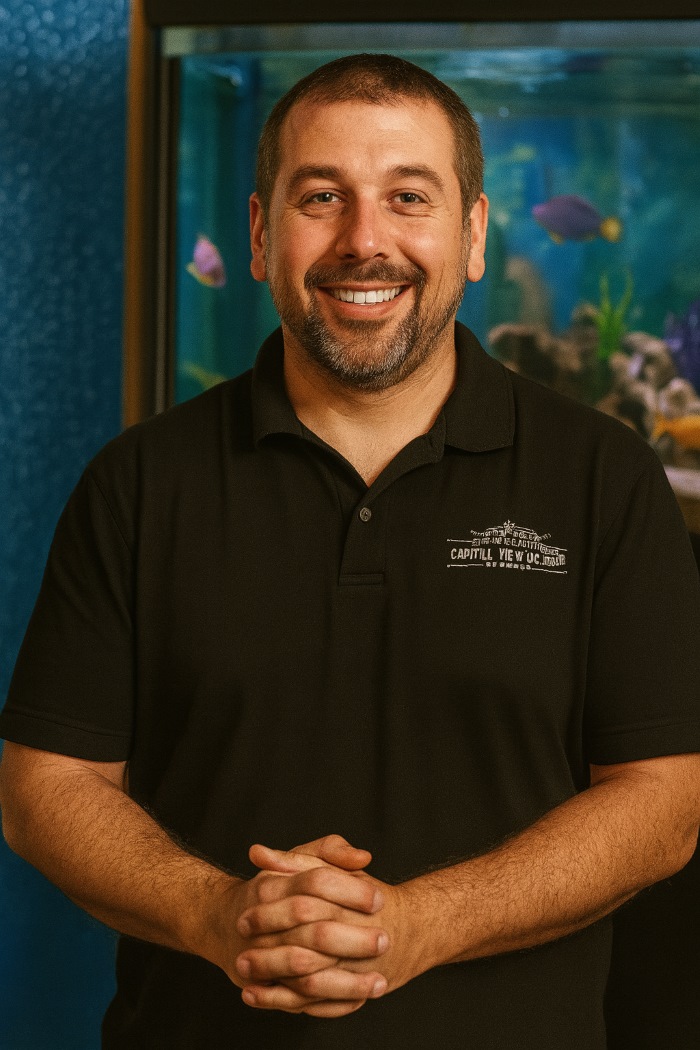
Howard set up his first 10-gallon planted tank in 2003 and lost half of it within six weeks. Two decades and more than forty aquariums later, he writes the guides he wished he had then: clear numbers, the reasons behind them, and what actually goes wrong in home tanks.