Health Benefits of Aquaculture – Nutrition & Mind
The health benefits of aquaculture include reliable access to pure omega-3 fatty acids, highly bioavailable protein, and essential trace minerals that boost cardiovascular performance, alleviate anxiety, and enhance sleep, complemented by the calming therapeutic qualities of aquatic environments.
Aquaculture plays a transformative role in how humans nourish their bodies and cultivate mental clarity. As wild fisheries face increasing ecological strains, controlled aquatic cultivation provides a dependable source of clean, nutrient-dense nutrition.
Understanding the health benefits of aquaculture reveals how managed aquatic ecosystems directly influence physical resilience and psychological health. For aquarium hobbyists, fish breeders, and conscious consumers alike, aquatic biology bridges the gap between scientific nutrition and personal wellness.
From the molecular synthesis of brain-supporting fatty acids to the restorative qualities of aquatic spaces, aquatic husbandry holds profound advantages. By examining both physical nutrition and cognitive health, we can appreciate the broad potential of modern aquatic cultivation.
Health Benefits of Aquaculture
The biological advantages of consuming cultivated aquatic species begin at the cellular level. Controlled aquaculture environments allow for optimized feeding regimes that produce consistent, nutrient-dense flesh free from the dietary deficits often found in wild stocks.
Regular consumption of farmed finfish and aquatic organisms supplies complete, bioavailable protein containing all nine essential amino acids. These amino acids, including leucine, lysine, and valine, facilitate rapid cellular recovery, muscle repair, and metabolic efficiency in human tissue.
Cultivated seafood also provides concentrated levels of marine lipids that protect arterial integrity. By stabilizing cellular membranes and moderating vascular inflammation, farmed finfish act as an organic shield against modern systemic health conditions.
Omega-3 Fatty Acids and Cognitive Resilience
Aquaculture represents the most stable and sustainable global pipeline for essential long-chain polyunsaturated fatty acids. In particular, cultivated finfish synthesize and accumulate significant volumes of Eicosapentaenoic acid (EPA) and Docosahexaenoic acid (DHA).
These long-chain fats form the primary structural components of the human cerebral cortex and retina. Regular consumption of EPA and DHA enhances neuron fluidity, speeds electrical transmission across neural synapses, and helps prevent age-related mental decline.
Dietary EPA/DHA Intake ➔ Elevated Synaptic Fluidity ➔ Modulated Neurotransmitters ➔ Reduced Systemic Neuroinflammation
Research increasingly illustrates a profound link between balanced seafood consumption and reduced symptoms of chronic anxiety. EPA modulates the biological pathways governing stress hormones, dampening excess cortisol output and promoting balanced serotonin and dopamine production.
Sleep Regulation via Vitamin D and B12
Deep, restorative sleep requires adequate micronutrient support to regulate our internal circadian rhythms. Farmed species such as rainbow trout and salmon naturally concentrate exceptional amounts of bioavailable Vitamin D3 and Cobalamin (Vitamin B12).
Vitamin B12 acts as an essential cofactor in cellular DNA synthesis and red blood cell production, preventing systemic exhaustion. Simultaneously, Vitamin D activates the enzymatic conversion of tryptophan into serotonin, the biological precursor to the sleep hormone melatonin.
Integrating aquaculture products into weekly meals supports natural circadian rhythms and prevents nighttime sleep fragmentation. This dietary stability offers a reliable path toward uninterrupted, deep-phase physical recovery.
Pro Tip: To maximize the retention of delicate fatty acids like EPA and DHA during preparation, bake or steam your aquatic proteins at moderate temperatures below 350°F (175°C). High-heat frying denatures heat-sensitive marine lipids, reducing their natural neuroprotective benefits.
Controlled Nutrition: Farmed vs. Wild Aquatic Species
A primary advantage of modern aquaculture lies in the precise management of feed inputs and habitat purity. Wild-caught fish depend on unpredictable oceanic forage, which can result in wide nutritional variations and seasonal deficits.
In controlled settings, nutritionists formulate species-specific feeds that meet exact biological requirements. This deliberate nutritional balance ensures consumer access to aquatic proteins with reliable, dense nutritional profiles.
Through managed feeds, aquatic farmers actively direct natural biochemical processes, including specialized Astaxanthin synthesis through microalgae supplementation. Astaxanthin acts as a potent biological carotenoid and antioxidant, fighting oxidative stress and enhancing dermal health.
Farmed aquatic species also provide a reliable dietary source of essential trace minerals that are often depleted in terrestrial soils. Farmed bivalves and finfish consistently absorb and store concentrated amounts of bioavailable selenium and iodine.
Iodine forms the biochemical baseline for thyroid hormones triiodothyronine (T3) and thyroxine (T4), which dictate baseline metabolic rates. Meanwhile, selenium functions as an essential cellular shield, preventing oxidative damage to vascular walls.
Common Mistake: Assuming all farmed seafood contains identical nutritional value regardless of origin or feed. Always select certified aquaculture products that adhere to strict monitoring standards, as feed formulations and water quality directly determine final fatty acid and mineral levels.
Nutritional Profiles of Prominent Cultured Species
The nutritional output of aquatic cultivation varies depending on species biology, water chemistry, and diet. The table below outlines the core nutritional and health markers found in common aquaculture species.
| Species | Protein (g / 100g) | EPA + DHA (mg / 100g) | Key Minerals & Vitamins | Primary Physiological Benefit |
|---|---|---|---|---|
| Atlantic Salmon (Salmo salar) | 20.4 g | 2,150 mg | Vitamin D3, B12, Selenium | Cardiovascular protection & mood balance |
| Nile Tilapia (Oreochromis niloticus) | 26.1 g | 240 mg | Phosphorus, Potassium, Niacin | Lean cellular repair & tissue generation |
| Rainbow Trout (Oncorhynchus mykiss) | 21.0 g | 1,150 mg | Thiamine, Vitamin B6, Phosphorus | Neurological health & metabolic velocity |
| Pacific White Shrimp (Litopenaeus vannamei) | 24.0 g | 310 mg | Astaxanthin, Zinc, Iodine | Immune support & skin cell integrity |
| Sugar Kelp (Saccharina latissima) | 1.7 g | Trace | Iodine, Iron, Magnesium, Folate | Endocrine balance & metabolic regulation |
Water Quality Engineering and Food Purity
Food safety and product purity are inseparable from the surrounding water quality. High-density wild harvesting can occasionally expose fish to concentrated environmental pollutants, including heavy metals and industrial run-off.
Modern Recirculating Aquaculture Systems (RAS) drastically reduce these contamination risks by utilizing advanced physical filtration and biological sanitation loops. In closed RAS arrays, every drop of incoming water is mechanically screened, degassed, and biologically conditioned.
Biological Oxidation Loop: Total Ammonia Nitrogen (TAN) ➔ Nitrosomonas europaea ➔ Nitrite (NO2-) ➔ Nitrobacter / Nitrospira ➔ Nitrate (NO3-)
Within these specialized biofilters, beneficial autotrophic bacteria like Nitrosomonas europaea drive essential biological cycles. Their activity guarantees efficient nitrogenous waste assimilation, preventing toxic free ammonia from stressing the fish or compromising meat quality.
To maintain safe rearing conditions, facility engineers also deploy selected probiotics such as Bacillus subtilis into the water columns and feed pellets. This beneficial microbe promotes Vibrio anguillarum suppression, controlling pathogenic bacteria naturally without heavy antibiotic intervention.
Maintaining high dissolved oxygen saturation levels throughout the growth cycle prevents anaerobic decomposition and chronic stress in the animals. These advanced biological controls deliver exceptionally clean proteins directly to the dining table.
Learning about sustainable aquaculture practices demonstrates how meticulous water chemistry translates directly to cleaner, safer food systems.
The Therapeutic “Blue Space” Dimension
Beyond dietary nutrition, the health benefits of aquaculture extend directly into psychological wellness and everyday sensory therapy. Researchers refer to the mental health benefits derived from proximity to aquatic environments as the “Blue Space” effect.
Interacting with balanced aquatic life induces physiological down-regulation, calming sympathetic nervous system arousal. Observing fish behaviors, steady aquatic currents, and submerged plants shifts neural activity from high-stress states to restful awareness.
Clinical studies demonstrate that observing aquatic life yields immediate drops in resting heart rates and systemic arterial blood pressure. The steady, quiet motion of fish creates an involuntary, calming focus that interrupts rumination and clears mental fatigue.
Aquatic Visual Observation ➔ Parasympathetic Activation ➔ Cortisol Attenuation ➔ Reduced Heart Rate & Blood Pressure
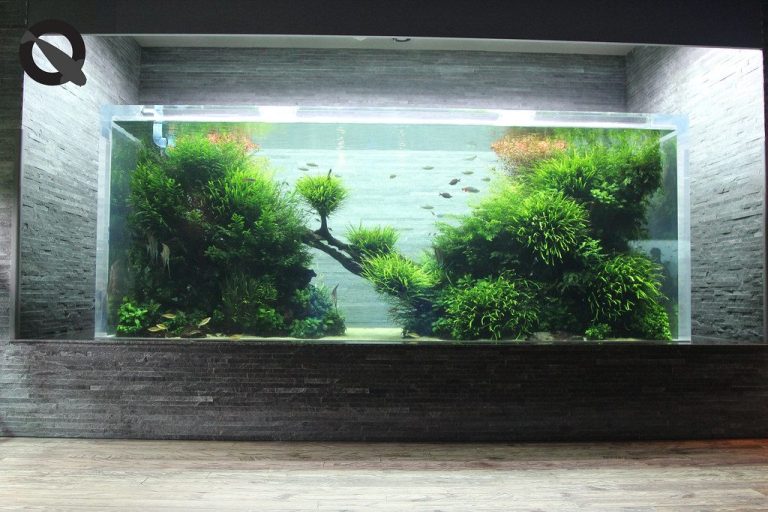
This psychological lift is familiar to home aquarium hobbyists who manage closed micro-aquaculture systems, like aquascapes or indoor shrimp colonies. Caring for these living systems nurtures intentional mindfulness, grounding the mind in steady, natural biological rhythms.
Modern commercial operations increasingly mirror these natural balances through Integrated Multi-Trophic Aquaculture (IMTA) systems. IMTA links finfish, deposit-feeders like sea cucumbers, and extractive seaweeds into a self-sustaining ecological loop.
Engaging with balanced aquatic systems provides meaningful psychological relief in our screen-saturated world. For a deeper look at physical and mental wellness advantages, explore our guide on the broader human wellness advantages of aquatic stewardship.
Frequently Asked Questions About Aquaculture and Health
Does farmed fish have as much Omega-3 as wild-caught fish?
Yes, farmed fish regularly matches or exceeds the omega-3 fatty acid levels found in wild stocks. Controlled feeding strategies incorporate nutrient-rich marine oils and cultivated microalgae, ensuring dense, consistent amounts of EPA and DHA year-round.
Are antibiotics widely present in modern aquaculture products?
No. Leading commercial aquaculture systems use targeted microbial vaccines, optimal biosecurity, and natural probiotics to protect herd health. Strict international testing confirms that harvested proteins consistently test well below regulatory limits for chemical residues.
How does consuming farmed fish benefit heart health?
Cultivated fish provides concentrated levels of bioavailable EPA and DHA fatty acids. These essential lipids help lower systemic inflammation, reduce high blood triglycerides, stabilize blood pressure, and minimize arterial plaque buildup.
What is the “Blue Space” effect in fish keeping and aquaculture?
The Blue Space effect refers to the psychological relaxation experienced when engaging with water and aquatic life. Watching aquatic habitats reduces circulating cortisol levels, lowers blood pressure, and helps alleviate chronic daily anxiety.
Does farmed seafood provide sufficient iodine and trace minerals?
Yes. Marine finfish, farmed shrimp, and cultivated macroalgae naturally absorb minerals like iodine, selenium, and zinc from their aquatic environments. These bioavailable minerals support optimal human thyroid activity, cellular metabolism, and immune resilience.
Final Thoughts on Aquaculture and Human Well-Being
Aquatic cultivation stands at the intersection of modern food production, clinical nutritional science, and mental wellness. Understanding the health benefits of aquaculture highlights how carefully managed aquatic systems yield exceptionally pure, nutrient-dense nutrition.
From strengthening heart tissue with EPA and DHA to steadying circadian rhythms with natural Vitamin D, cultured aquatic foods actively support vibrant health. At the same time, the calming influence of aquatic environments offers natural relief from the pressures of everyday stress.
Adopting sustainable aquaculture preserves delicate wild ocean habitats while establishing a dependable, nutrient-dense harvest for the future. Caring for aquatic life continues to enrich human health, both on our plates and in our everyday environments.

- 2003First tank
- 20+Years keeping
- 40+Tanks kept
- 0Sponsored picks
Howard set up his first 10-gallon planted tank in 2003 and lost half of it within six weeks. Two decades and more than forty aquariums later, he writes the guides he wished he had then: clear numbers, the reasons behind them, and what actually goes wrong in home tanks.