10 Interesting Facts About Axolotls For Kids – A Guide To The World’s
Axolotls are incredible aquatic salamanders known for their ability to regrow limbs, their “smiling” faces, and the fact that they never grow up. These interesting creatures live their entire lives underwater in Mexico.
If you have ever looked into an aquarium and seen a creature that looks like a tiny, smiling dragon, you have likely met an axolotl.
In my 10 years of maintaining various freshwater setups, I have found that few creatures capture the imagination quite like these “walking fish.” They aren’t actually fish at all, but we will get into that very soon.
Whether you are a student doing a school project or a young hobbyist looking to start your first tank, these 10 interesting facts about axolotls for kids will help you understand why they are so special. Let’s go through the secrets of the Ambystoma mexicanum.
At a glance: Axolotl (Ambystoma mexicanum)
- Temperature
- 60–64°F (16–18°C)
- Water pH
- 7.0–8.0
- Adult size
- 9–12 in (23–30 cm)
- Minimum tank
- 20 gal long for one
- Group size
- Alone or same-size adults
- Temperament
- Peaceful, no fish tank mates
- Diet
- Carnivore: earthworms, axolotl pellets, bloodworm
- Lifespan
- 10–15 years
Keeper’s tip: Water above 70°F stresses axolotls quickly; a fan or chiller is often needed in summer.
1. They Are the “Peter Pans” of the Animal Kingdom
One of the most amazing 10 interesting facts about axolotls for kids is that they never grow up. Most salamanders start their lives in the water and eventually move onto land once they become adults.
Axolotls are different because they stay in their larval form for their entire lives, a process called neoteny. This means they make sure their feathery gills and stay underwater even when they are old enough to have babies.
In my experience, this makes them much easier to observe than other amphibians. You don’t have to worry about them climbing out of the tank and getting lost in your house.
2. They Have Real-Life Superpowers
If an axolotl loses a leg, a tail, or even parts of its heart or brain, it can grow them back perfectly. This is not like a lizard growing back a stump; the axolotl regrows the entire limb including bones and nerves.
Scientists study them closely because they want to know if humans could ever learn to heal this way. It is one of the many mysteries of aquatic life that keeps researchers busy every single day.
Imagine if you could grow a new finger just by waiting a few weeks! While we can’t do that, the axolotl does it without even thinking about it.
Pro Tip: Even though they can regrow limbs, it takes a lot of energy and causes them stress. Always handle your axolotl with a soft net or, better yet, avoid touching them to keep their protective slime coat healthy.
3. Those “Feathers” Are Actually Their Gills
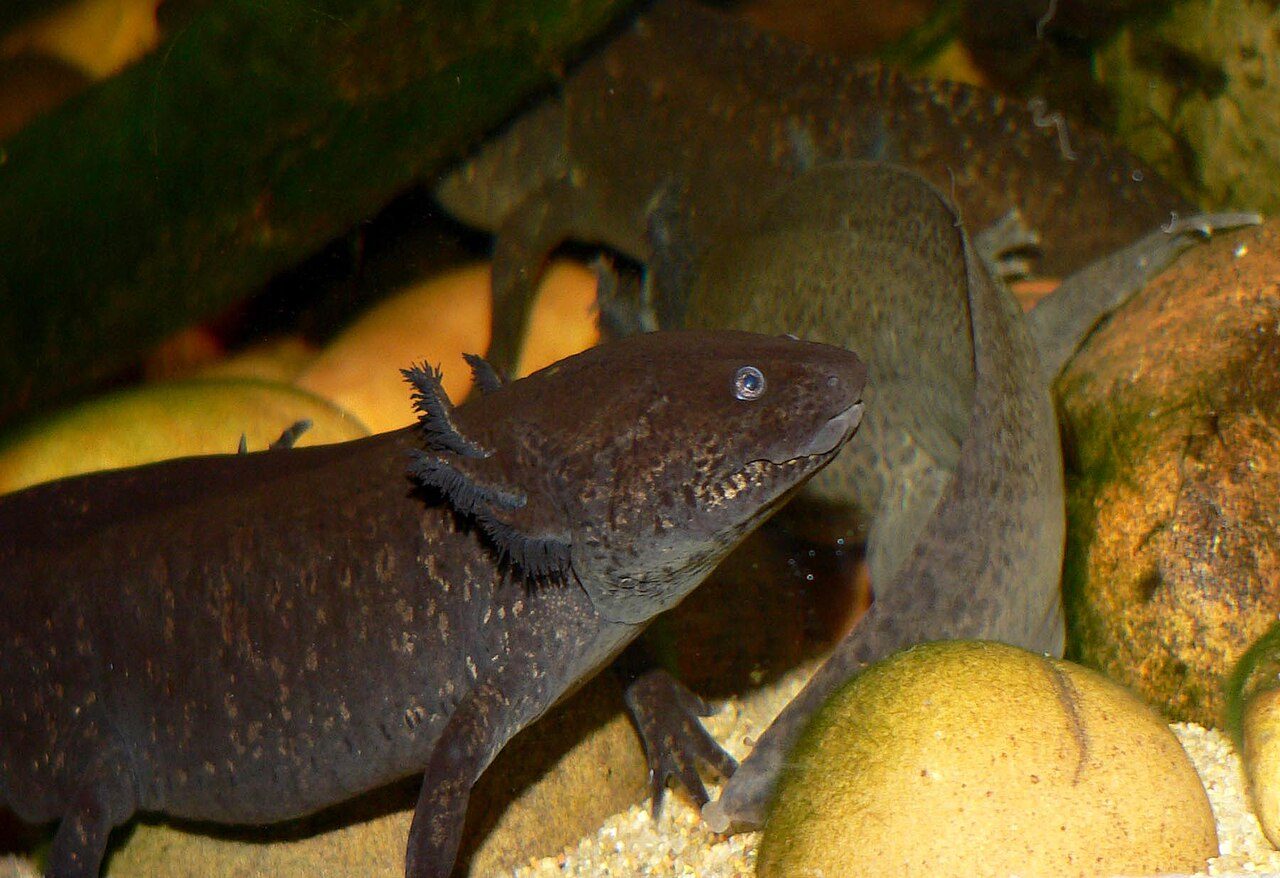
When you look at an axolotl’s head, you will see three feathery branches sticking out on each side. These are their external gills, and they are how the axolotl breathes underwater.
Most fish have gills hidden behind a flap, but the axolotl wears theirs like a fancy crown. These gills are full of tiny blood vessels that pull oxygen directly from the water.
I’ve noticed that when the water is very still, you can see the axolotl flick its gills to get a fresh gulp of oxygen. It is one of the most relaxing things to watch in a home aquarium.
4. They Only Come From One Place in the World
In the wild, axolotls are only found in the lake complex of Lake Xochimilco near Mexico City. They used to live in Lake Chalco as well, but that lake was drained many years ago.
Because their home is so small, they are very rare in the wild. Most of the axolotls you see in pet stores or videos were born in tanks, not in the wild.
Protecting their natural habitat is very important. Without the canals of Xochimilco, these “water monsters” would have nowhere left to go in nature.
5. They Belong to the Order Caudata
While many people call them “Mexican Walking Fish,” they are actually amphibians belonging to the order Caudata. This group includes all salamanders and newts.
Being an amphibian means they are related to frogs and toads. However, unlike frogs that hop on land, axolotls prefer to use their four little legs to walk along the bottom of the lake or tank.
They are unique species that bridge the gap between water-dwellers and land-dwellers. Their skeleton is mostly made of cartilage, which is the same flexible stuff found in your ears.
6. They Are Master Suction Feeders
Axolotls don’t chew their food like we do because they don’t have big, sharp teeth. Instead, they use a “vacuum” method called suction feeding.
When a worm or a small insect swims by, the axolotl opens its mouth very fast. This creates a vacuum that pulls the food and the water right into its throat.
In my years of feeding them, I’ve found that they can be quite clumsy. Sometimes they miss the worm entirely and end up sucking in a mouthful of sand instead.
7. They Come in Many Different Colors
In the wild, most axolotls are a dark greenish-brown color to help them hide from predators. This is called the “wild type” morph.
However, in the aquarium hobby, you can find them in many colors, such as pink, white, gold, and even black. The pink ones with red eyes are called “albino,” while the pink ones with dark eyes are “leucistic.”
| Morph Name | Appearance | Commonality |
|---|---|---|
| Wild Type | Dark brown/green with spots | Common in wild |
| Leucistic | Pinkish-white with dark eyes | Very popular as pets |
| Albino | White/Yellow with red eyes | Common |
| Melanoid | Solid black or very dark grey | Uncommon |
8. They Can Breathe in Four Different Ways
Most animals only have one or two ways to breathe, but the axolotl is a champion of oxygen. They can use their external gills to pull oxygen from the water.
They also have functional lungs and will occasionally swim to the surface to take a gulp of air. Additionally, they can absorb oxygen through their skin and the back of their throats.
Having four ways to breathe helps them survive in environments where oxygen might be low. It is a survival trick they have perfected over thousands of years.
9. They Have a Surprising Number of Toes
If you look closely at their feet, you will notice something funny. Axolotls have four toes on their front feet but five toes on their back feet!
This is a common trait among many salamanders, but it looks especially cute on an axolotl. They use these toes to grip onto plants or rocks as they move through the water.
When I first started keeping them, I spent way too much time counting toes just to make sure they were all there. It’s one of those little details that makes them so charming.
10. They Are Critically Endangered in the Wild
The final fact in our 10 interesting facts about axolotls for kids is a bit serious. While there are millions of axolotls in labs and homes, there are very few left in the wild.
Pollution and invasive fish species in Lake Xochimilco have made it hard for them to survive. People are working hard to clean up the canals and build “axolotl hotels” to give them a safe place to live.
Once you learn about them and sharing these facts, you are helping to raise awareness for their protection. Every “walking fish” fan is a potential hero for the species.
How to Set Up an Axolotl Tank
If you are thinking about keeping one of these amazing creatures, you need to know that they have specific needs. They are not like goldfish or tropical fish.
First, they need cold water. Most fish like warm water, but axolotls can get sick if the water is too warm. They prefer temperatures between 60°F and 68°F.
Second, you must understand the water cycle. You need to monitor Ammonia, Nitrite, and Nitrate levels constantly to keep them healthy.
| Parameter | Ideal Range | Why It Matters |
|---|---|---|
| Temperature | 60°F – 68°F (15°C – 20°C) | Prevents heat stress and fungal infections. |
| Ammonia | 0 ppm | Toxic waste produced by the animal. |
| Nitrite | 0 ppm | Harmful byproduct of the nitrogen cycle. |
| Nitrate | < 20 ppm | Kept low through regular water changes. |
| pH | 7.4 – 7.6 | Keeps their skin and gills healthy. |
Filtration and Flow
Axolotls have very sensitive gills. If the water flow is too strong, it can cause them stress and make their gills curl forward.
I always recommend using sponge filtration for axolotl tanks. It provides plenty of surface area for good bacteria while keeping the water current very gentle.
A sponge filter is also safer because it doesn’t have a strong intake that could trap a curious axolotl’s tail or gills.
Choosing the Right Substrate
Choosing what goes on the bottom of the tank is the most important safety decision you will make. Because of their suction feeding, axolotls often eat what is on the floor.
If you use gravel or small pebbles, the axolotl will swallow them. This causes a dangerous condition called substrate impaction, where the rocks get stuck in their tummy.
In my experience, the best options are either a bare-bottom tank or very fine aquarium sand. Sand is small enough to pass through their system without causing harm.
Pro Tip: If you are a beginner, go with a “bare bottom” tank (no sand at all). It is much easier to clean and completely removes the risk of your axolotl swallowing something they shouldn’t.
What Do Axolotls Eat?
In the wild, these carnivores eat small fish, insects, and worms. In a home aquarium, they love a variety of protein-rich foods.
My favorite food to give them is the nightcrawler (earthworm). They are packed with nutrition and watching an axolotl slurp up a worm is always entertaining.
You can also feed them specially formulated axolotl pellets or frozen bloodworms. Just remember to remove any uneaten food so it doesn’t rot and ruin your water quality.
Things people often ask
Can axolotls live with fish?
Generally, no. Axolotls might try to eat the fish, or the fish might nip at the axolotl’s delicate gills. It is best to keep them in a species-only tank.
How big do axolotls get?
Most adult axolotls grow to be between 9 and 12 inches long. They need a tank that is at least 20 gallons (long) to have enough room to walk around.
How long do they live?
With great care and clean water, an axolotl can live for 10 to 15 years. They are a long-term commitment, much like a dog or a cat.
Do they need light?
Axolotls don’t have eyelids, so they are very sensitive to bright lights. They prefer a dimly lit tank with plenty of “caves” or hiding spots where they can nap during the day.
Can I hold my axolotl?
It is best not to. Their skin is very delicate and covered in a protective slime. Touching them can damage this layer and introduce bacteria to their skin.
The short version
I hope these 10 interesting facts about axolotls for kids have sparked your curiosity about these amazing amphibians. From their incredible healing powers to their permanent “baby” status, they are one of nature’s greatest wonders.
Keeping an axolotl is a big responsibility, but it is also a wonderful way to learn about biology and water chemistry. If you provide them with cold, clean water and plenty of worms, they will be your “smiling” companions for many years.
Every great aquarist starts with a single step and a lot of research. Keep learning, keep observing, and enjoy the magical experience of keeping a real-life water monster!

- 2003First tank
- 20+Years keeping
- 40+Tanks kept
- 0Sponsored picks
Howard set up his first 10-gallon planted tank in 2003 and lost half of it within six weeks. Two decades and more than forty aquariums later, he writes the guides he wished he had then: clear numbers, the reasons behind them, and what actually goes wrong in home tanks.