Glofish Care Guide – Diet, Tank and Tank Mates
A successful glofish care guide requires maintaining stable water temperatures between 72-80°F, utilizing actinic blue lighting to highlight their fluorescence, and providing a high-quality diet in a fully cycled aquarium of at least 10 to 20 gallons.
Bringing a splash of neon color into your home is an exciting journey for any hobbyist. These radiant fish have transformed the way we look at freshwater tanks, offering a brilliant alternative to traditional species.
Whether you are a parent setting up a first tank or an experienced keeper looking for a “pop” of color, this glofish care guide will provide everything you need. I have spent over a decade maintaining various setups, and I can tell you that while these fish look exotic, their care is grounded in classic, solid aquarium fundamentals.
In this guide, we will explore the science behind their glow, the specific needs of each species, and how to keep their environment pristine. Let’s go through fluorescence and learn how to help these unique fish do well in your care.
At a glance: Black skirt tetra (Gymnocorymbus ternetzi)
- Temperature
- 70–85°F (21–29°C)
- Water pH
- 6.0–7.5
- Adult size
- 2.5 in (6 cm)
- Minimum tank
- 20 gal
- Group size
- Groups of 6+
- Temperament
- Semi-peaceful, may nip fins
- Diet
- Omnivore: flakes, pellets, frozen foods
- Lifespan
- 3–5 years
Keeper’s tip: Keep them in a proper group; singles and pairs are the ones that harass bettas and angelfish.
Understanding the Science of the Glow
Many beginners worry that these fish are dyed or injected with chemicals, but that is a common misconception I encountered years ago. GloFish are actually the result of transgenic biotechnology, where a specific gene is passed down from generation to generation.
The color comes from a Green Fluorescent Protein (GFP) originally found in marine organisms like jellyfish and coral. This protein allows the fish to absorb light at one wavelength and re-emit it at a longer wavelength, creating that signature “glow.”
The original species used for this are common, hardy species that have been staples in the hobby for decades. Because the fluorescence is part of their genetic makeup, they require the same high-quality care as their non-fluorescent ancestors.
Pro Tip: Always check the health of the fish at the store rather than just the intensity of the color. A healthy fish will have clear eyes, intact fins, and a high activity level, which are better indicators of long-term success than just their brightness.
Glofish Care Guide: Choosing Your Species
Not all GloFish are the same species, and this is where many new keepers get confused. It is vital to recognize which “base” fish you are keeping, as their temperaments and space requirements vary significantly.
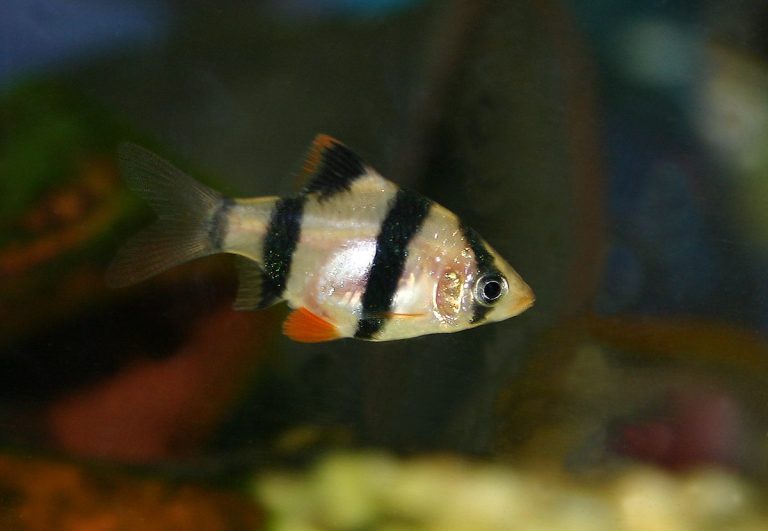
The most common varieties include the Danio rerio (Zebra Danio), Gymnocorymbus ternetzi (Blackskirt Tetra), and Puntigrus tetrazona (Tiger Barb). You can also find GloFish versions of the Betta splendens and even Rainbow Sharks.
| GloFish Variety | Base Species | Min. Tank Size | Temperament |
|---|---|---|---|
| GloFish Danio | Zebra Danio | 10 Gallons | Peaceful / Active |
| GloFish Tetra | Blackskirt Tetra | 15-20 Gallons | Semi-Aggressive |
| GloFish Barb | Tiger Barb | 20-30 Gallons | Semi-Aggressive (Nipper) |
| GloFish Shark | Rainbow Shark | 50 Gallons | Territorial |
| GloFish Betta | Betta splendens | 5 Gallons | Aggressive (Solo) |
Most of these fish are social creatures that feel safest in groups. For Danios, Tetras, and Barbs, I always recommend keeping at least 5 to 6 individuals of the same species.
When they are kept in smaller numbers, they often become stressed, which can lead to a suppressed immune system. In my experience, a larger school also encourages more natural swimming patterns and much better color displays.
Essential Tank Setup and Equipment
Creating the right environment is the most important step in this glofish care guide. While the fish themselves are hardy, their “glow” is only as good as the lighting and decor you provide.
The centerpiece of any fluorescent tank is the Actinic blue spectrum lighting. Standard white LEDs will make the fish look bright, but blue light causes the proteins in their skin to fluoresce vividly.
Substrate and Decor Selection
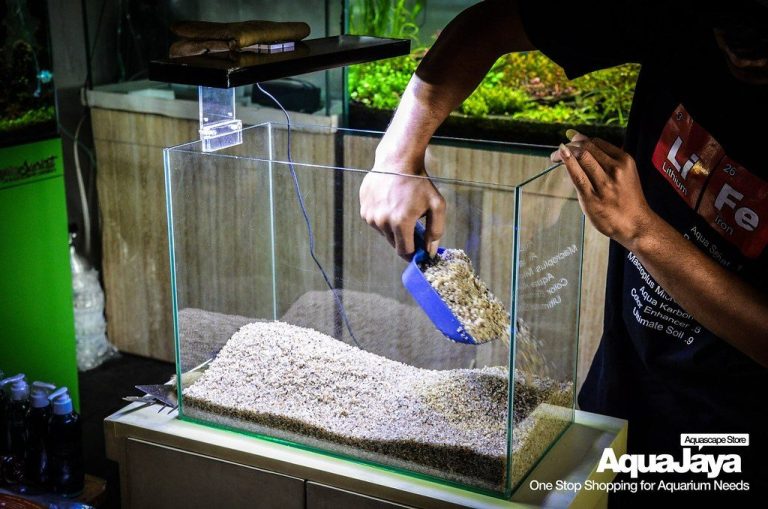
To make the colors pop, I suggest using dark substrates like black sand or gravel. Dark backgrounds also help the neon blues, pinks, and greens stand out much better than a light or clear background.
You can use “Glo” branded ornaments, but don’t feel restricted to them. Natural elements like dark driftwood or even live plants can create a beautiful contrast against the neon fish.
Filtration and Heating
Never skip the heater; these are tropical fish that require stable temperatures. A high-quality hang-on-back or canister filter is essential for nitrogenous waste management.
Make sure the filter is rated for at least the size of your tank, if not slightly higher. Efficient filtration ensures that ammonia and nitrites stay at zero, which is the baseline for healthy fish.
Water Parameters and Quality Control
Maintaining water quality is the “secret sauce” to long-term success with any aquarium. For GloFish, you want to mimic the conditions of their tropical ancestors.
Regular testing with a liquid test kit is much more accurate than paper strips. I’ve noticed that many beginners ignore the “cycling” process, which is the most common cause of fish loss in the first month.
| Parameter | Ideal Range |
|---|---|
| Temperature | 72°F – 80°F (22°C – 27°C) |
| pH Level | 6.5 – 7.5 |
| Ammonia | 0 ppm |
| Nitrite | 0 ppm |
| Nitrate | < 20 ppm |
The Importance of the Nitrogen Cycle
Before adding your fish, your tank must be “cycled,” meaning it has a colony of beneficial bacteria. These bacteria convert toxic ammonia from fish waste into less harmful nitrates.
If you add a full school of fish to a brand-new tank, the ammonia will spike rapidly. This often leads to “new tank syndrome,” where fish become lethargic or die within days.
Diet and Nutritional Requirements
To keep those fluorescent colors at their peak, a varied diet is mandatory. Most GloFish are omnivores and will readily accept high-quality flake food or small pellets.
I highly recommend supplementing their diet with frozen or freeze-dried foods like bloodworms or brine shrimp. These protein-rich treats provide the energy needed for their high-activity levels.
Common Mistake: Overfeeding is the number one cause of water quality issues. Only feed what your fish can consume in 2 minutes, and perform a small water change if you accidentally dump too much in.
Specific “color-improving” foods are available on the market. These often contain carotenoids that help support the natural brilliance of the fish’s skin from the inside out.
Tank Mates and Compatibility
Building a community around your GloFish can be satisfying if you choose the right neighbors. You must match tank mates based on temperament and swimming speed.
For example, GloFish Danios are very fast and can stress out slow-moving fish. Conversely, GloFish Barbs are known for fin-nipping, so they shouldn’t live with long-finned species.
Great Tank Mate Options
A wonderful addition to a GloFish tank is the Corydoras aeneus or other bronze corydoras. These bottom-dwellers are peaceful and help clean up bits of food that fall to the substrate.
If you are looking for more variety, consider some of the community tank fish that share similar water requirements. Small rasboras or even certain types of snails and shrimp work well.
Species to Avoid
Avoid housing GloFish with large, aggressive predators like Oscars or large Cichlids. To a large fish, a bright neon Danio looks like a glowing snack.
Also, be careful with the tiger barb guide principles if you are keeping the Barb variety. They are best kept in species-only tanks or with other strong, fast-moving fish.
Disease Prevention and Health
Even with the best glofish care guide, fish can occasionally get sick. The most common ailment seen in these species is Ichthyophthirius multifiliis, commonly known as “Ich” or white spot disease.
Ich looks like small grains of salt sprinkled over the fish’s body. It is often triggered by temperature fluctuations or the stress of being moved to a new tank.
Maintaining a Healthy Immune System
The best way to prevent disease is to keep stress levels low. This means regular 25% weekly water changes and keeping the water temperature stable.
If you notice a fish acting strangely, check your water parameters immediately. Most “illnesses” in the aquarium world are actually reactions to poor water quality or high nitrate levels.
Common questions
Are GloFish harder to care for than regular fish?
No, they have the exact same care requirements as their non-fluorescent counterparts. If you can keep a Zebra Danio or a Blackskirt Tetra alive, you can successfully keep a GloFish.
Do they need to have the blue light on all the time?
No, you should only keep the blue light on for 8-10 hours a day. Fish need a period of darkness to rest, just like humans, so turn the lights off at night.
Can GloFish live with goldfish?
I generally do not recommend this. Goldfish are cold-water fish, while GloFish are tropical and require a heater; additionally, goldfish produce a massive amount of waste that can harm smaller tropical fish.
Why is my GloFish losing its color?
Loss of color is usually a sign of stress, poor nutrition, or illness. Check your water parameters and ensure you are feeding a high-quality, varied diet to restore their brilliance.
A last word
Following a proper glofish care guide is the difference between a struggling tank and a rich underwater showpiece. These fish are more than just a novelty; they are hardy, active, and full of personality.
If you focus on stable water parameters, high-quality nutrition, and the right lighting, you can enjoy their neon glow for years to come. At their core, they are tropical fish that do well on consistency and clean water.
Start with a properly cycled tank, choose compatible species, and don’t be afraid to experiment with dark decor to make those colors shine.

- 2003First tank
- 20+Years keeping
- 40+Tanks kept
- 0Sponsored picks
Howard set up his first 10-gallon planted tank in 2003 and lost half of it within six weeks. Two decades and more than forty aquariums later, he writes the guides he wished he had then: clear numbers, the reasons behind them, and what actually goes wrong in home tanks.